
In the pursuit of healthy aging, the adage “Prevention is better than cure” couldn’t be more apt. It’s a principle that rings especially true when it comes to two silent yet potentially life-altering conditions: high cholesterol and high blood pressure.
The Silent Culprits: High Cholesterol and High Blood Pressure
These two health factors often fly under the radar, lurking quietly within our bodies without causing immediate alarm. But make no mistake, their long-term effects can be devastating. Let me share a real-life example that highlights the importance of paying attention to these seemingly silent threats.
Paul’s Wake-Up Call: The 75% Blocked Artery
Paul, a close friend, appeared to be the picture of health. For a decade, he unknowingly ignored the early tell-tale signs of high cholesterol, attributing the occasional chest discomfort to minor issues. It wasn’t until he experienced a slight chest pain that he decided to seek a medical evaluation. Fortunately, this decision turned out to be life-changing, as the check-up unveiled a staggering reality—he had a 75% blocked artery. Paul’s timely action, prompted by that chest pain, was indeed a stroke of luck that saved him from potentially a heart attack or stroke.
Paul knows that he can’t change the past, but he can control his future. And he is committed to living a long and healthy life by altering his lifestyle and dietary habits.

I was profoundly moved by Paul’s wake-up call, as it made me realize the importance of taking control of our health, especially as we age. It’s a stark reminder that health issues can lurk beneath the surface, often without any obvious symptoms. Paul’s story highlights that being proactive about our well-being is not just a choice but a responsibility—one that can shape the quality of our golden years.
The Power of Early Detection
Paul’s experience illuminated the critical role of early detection in preserving our health. Regular health check-ups, blood tests, and monitoring of key indicators like cholesterol levels and blood pressure are paramount. These routine assessments can detect potential issues before they escalate, allowing us to take corrective actions.
As I reflected on Paul’s journey, I couldn’t help but consider the steps we can all take to maintain healthy cholesterol levels and blood pressure as we age.
A Heart-Healthy Lifestyle

1. Nourishing Diet
A diet rich in fruits, vegetables, whole grains, lean proteins, and healthy fats is the foundation of heart health. It’s essential to limit saturated and trans fats, often found in red meat and processed foods. Instead, opt for sources of unsaturated fats, such as avocados, nuts, and olive oil.
2. Regular Exercise
Physical activity is a powerful tool in managing cholesterol and blood pressure. Aim for at least 150 minutes of moderate-intensity aerobic activity or 75 minutes of vigorous-intensity aerobic activity every week, as recommended by health experts. Even brisk walking, cycling, or swimming can make a significant difference.
3. Weight Management
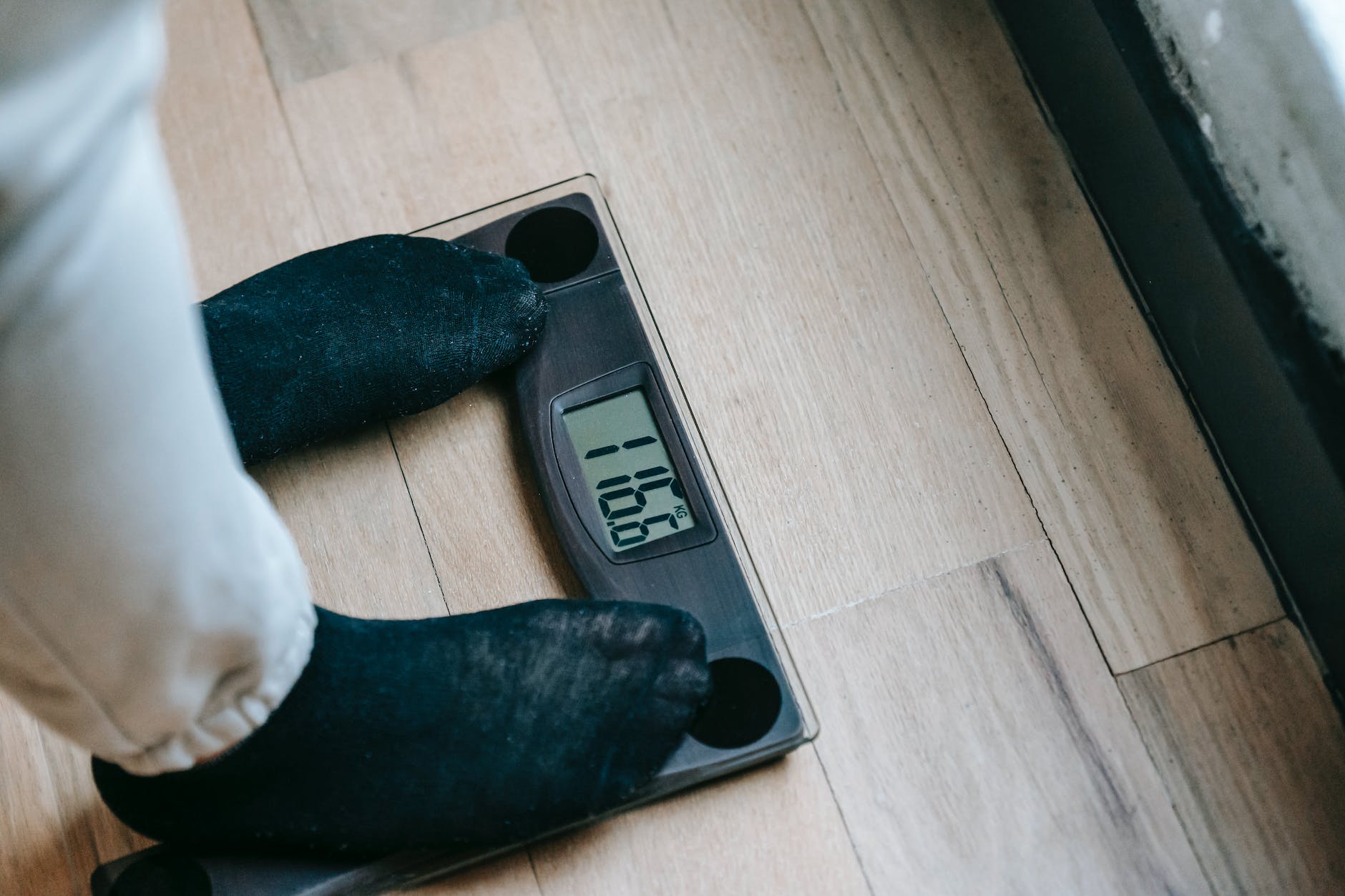
Maintaining a healthy weight is key to heart health. Excess weight can contribute to high cholesterol and blood pressure. Through a combination of a balanced diet and regular exercise, we can achieve and sustain a healthy weight.

4. Stress Reduction
Chronic stress can have adverse effects on our heart health. Practicing stress management techniques such as meditation, yoga, or deep breathing exercises can help alleviate stress and contribute to lower blood pressure.
Taking time off for a short break or travel can also be helpful in reducing stress. I find this to be very helpful as when I am on vacation, I can relax and focus on things that I enjoy. This help to take my mind off of my stressors and give me a chance to recharge.
Regular Check-Ups
Paul’s story serves as a potent reminder of the importance of regular health check-ups. Schedule routine visits with your healthcare provider to monitor your cholesterol levels, blood pressure, and overall cardiovascular health. Early detection and intervention can be lifesaving.
Medication, if Necessary
In some cases, lifestyle changes alone may not be sufficient to manage high cholesterol or blood pressure. If needed, your healthcare provider may prescribe medication to help control these conditions. It’s crucial to take prescribed medications as directed and attend follow-up appointments.
The Path to Thriving in Your Golden Years
Paul’s wake-up call was indeed a blessing in disguise. It prompted him to take charge of his health and inspired those around him, including me, to do the same. As we journey through our golden years, let’s heed the lessons from Paul’s experience and commit to a heart-healthy lifestyle.
By nurturing our bodies with the right nutrition, staying physically active, managing stress, and prioritizing regular check-ups, we can enhance our chances of thriving in our golden years. Remember, it’s never too late to embrace positive changes and prioritize your well-being. Your future self will thank you for it.
 Live Life
Leave a comment