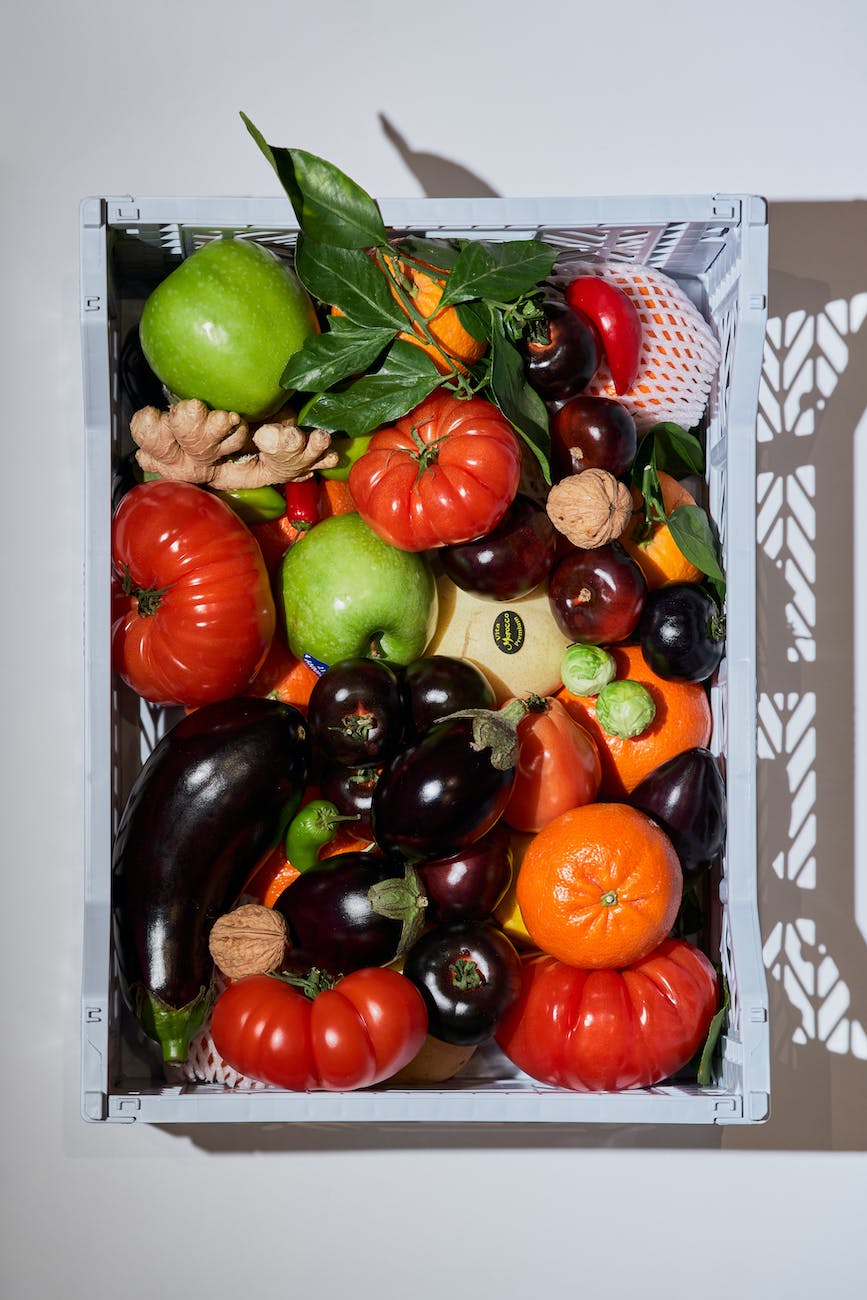
As I’ve grown older, I’ve come to appreciate the importance of maintaining a healthy and balanced diet more than ever. With each passing year, it’s become increasingly clear that what we eat plays a crucial role in our overall well-being. So, when I learned about the benefits of including rainbow-colored foods in my diet, I was intrigued and decided to delve into this colorful journey. Here’s why I firmly believe that incorporating a rainbow of fruits and vegetables has been a game-changer for my health and vitality.
1. Nutrient Diversity
One of the key advantages of embracing rainbow-colored foods is the diversity of nutrients they offer. Each color group typically represents different types of phytonutrients, vitamins, and minerals. For example, red foods like tomatoes and strawberries are rich in lycopene, while oranges and carrots are packed with beta-carotene. These nutrients contribute to various aspects of our health, from supporting our immune system to promoting healthy skin and eyes.
2. Antioxidant Power
As we age, our bodies face an increased risk of oxidative stress and chronic diseases. Antioxidants, which are abundant in colorful fruits and vegetables, help combat these issues. Blueberries, for instance, are well-known for their high antioxidant content, which can help protect our cells from damage caused by free radicals.
3. Heart Health
Cardiovascular health becomes more significant as we age. Foods like red peppers and strawberries, high in vitamin C, have been associated with lower heart disease risk. Similarly, purple foods like eggplants and grapes contain compounds that support heart health by reducing blood pressure and improving blood vessel function.

4. Digestive Health
Digestive issues can become more common with age, but fiber-rich foods in the green and orange category, such as broccoli and sweet potatoes, can aid digestion. The fiber helps regulate bowel movements and supports a healthy gut microbiome.
5. Weight Management
Maintaining a healthy weight can be challenging as we get older. Colorful foods are not only nutritious but also low in calories, making them a great addition to a weight management plan. They can help curb overeating and reduce the risk of obesity.
6. Eye Health
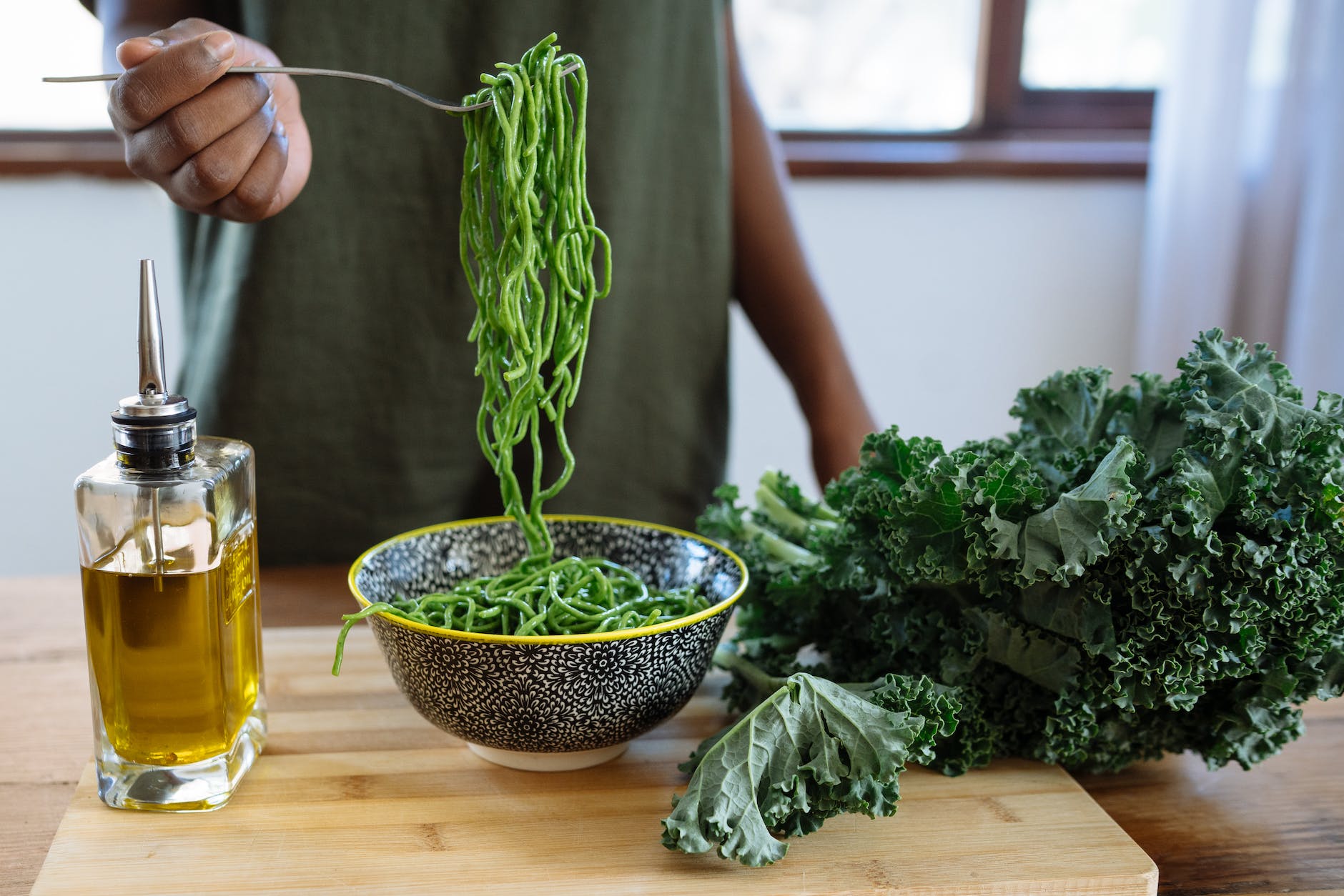
Many older adults face eye-related concerns, such as age-related macular degeneration and cataracts. Brightly colored vegetables, especially those rich in carotenoids like spinach and kale, have been associated with a reduced risk of these eye conditions.
7. Mood and Mental Health
Aging can sometimes bring about changes in mood and cognitive function. Nutrient-dense, colorful foods provide essential vitamins and minerals that can support a positive outlook and maintain cognitive function.
8. Culinary Adventure
Embracing the rainbow in your diet doesn’t have to be dull. It’s an opportunity to embark on a culinary adventure. You can experiment with new and exciting recipes, discovering delicious and healthy ways to prepare colorful ingredients.
Here are some examples of rainbow-colored foods that are especially good for mature adults:
- Red: Tomatoes, strawberries, raspberries, cranberries, cherries, red peppers
- Orange: Sweet potatoes, carrots, pumpkin, cantaloupe, oranges
- Yellow: Bananas, pineapple, yellow squash, lemons, corn
- Green: Broccoli, spinach, kale, green beans, kiwi, apples
- Blue and purple: Blueberries, blackberries, plums, grapes, purple sweet potatoes
By eating a rainbow-colored diet, you can help to ensure that you’re getting the nutrients you need to stay healthy and active as you age. So, next time you’re at the grocery store, be sure to pick up a variety of fruits and vegetables of different colors. Your body will thank you for it!
Join me in my colorful journey !
 Live Life
Leave a comment