
I used to think of inflammation as something that happened when I sprained my ankle or got a cold. But as I’ve gotten older, I’ve learned that inflammation is much more than that. It’s a chronic, low-grade process that’s been linked to many of the health issues we face as we age, like heart disease, Alzheimer’s, and even cancer
The Science Behind Inflammation and Aging
Recent studies have illuminated the pivotal role of inflammation in aging, known as “inflammaging.” This phenomenon refers to the low-grade, chronic inflammation that occurs as we age, contributing significantly to cellular senescence (the process of cells becoming dysfunctional), organ dysfunction, and various age-related diseases.
At the cellular level, senescence and the accompanying low-energy effects drive organismal aging. Immune cells, crucial in regulating aging cells, undergo significant changes, leading to what is known as immunosenescence, or the weakening of the immune response to infections and diseases.

Understanding the Impact on Our Bodies
As we delve deeper into the effects of inflammaging, it becomes clear that it’s not just about feeling a bit more tired or dealing with occasional aches. The process affects various immune cells in our body:
- Hematopoietic Stem Cells (HSCs): The aging of these cells leads to a diminished capacity for self-renewal, contributing to a decline in immune function.
- Neutrophils and Macrophages: These cells play vital roles in our immune response, but with aging, their function deteriorates, hampering the body’s ability to clear damaged cells and fight infections.
- Natural Killer (NK) Cells: Essential for immune surveillance, these cells experience a decline in their ability to proliferate and kill targets as we age.
- B and T Cells: Vital components of our adaptive immunity, these cells undergo significant changes with aging, impacting their effectiveness in fighting pathogens and diseases.
My Personal Strategies for Managing Inflammation
In response to these revelations, I’ve adopted several strategies to manage inflammation and promote healthy aging:
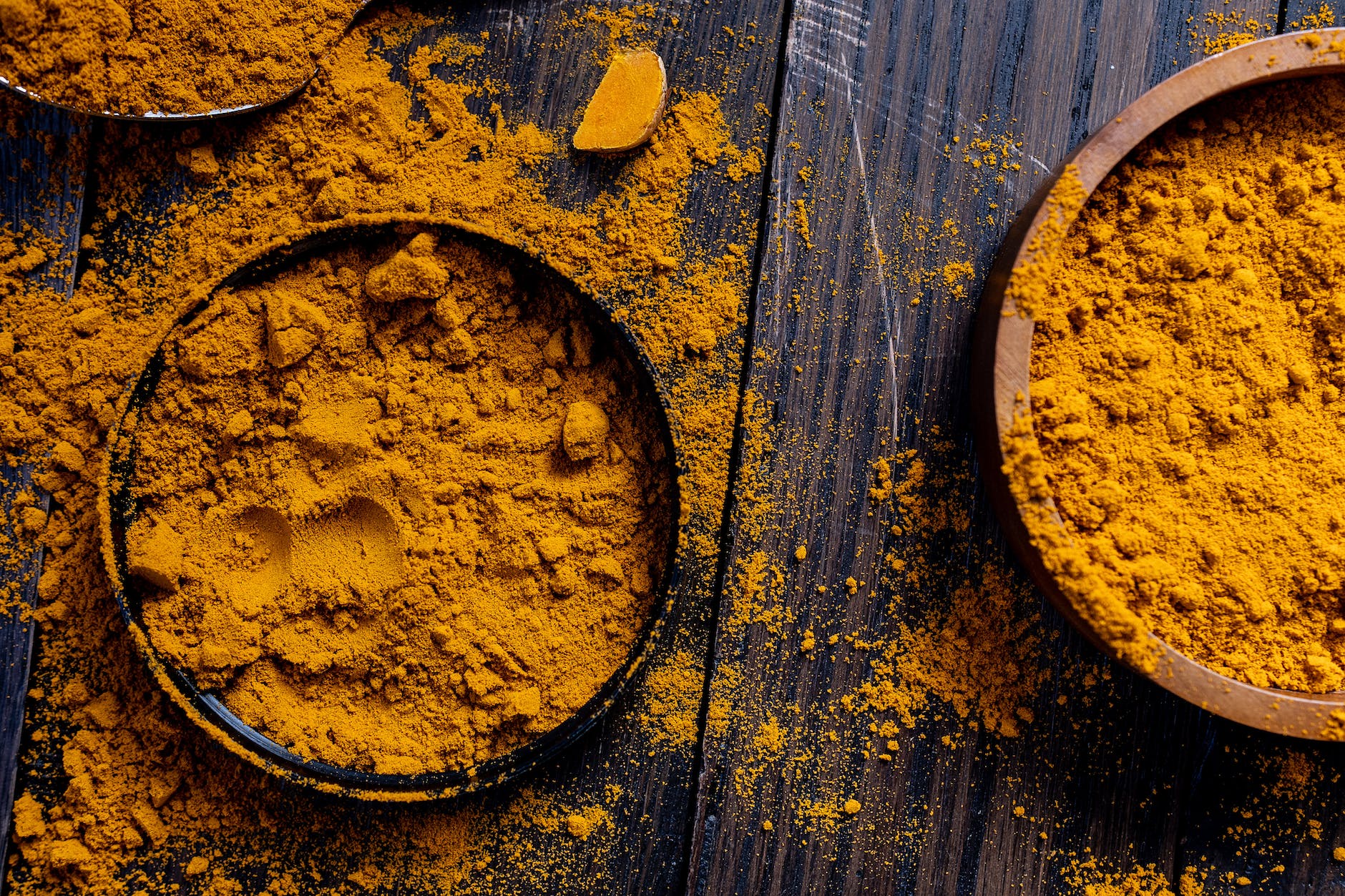
- Dietary Changes: In my quest for a healthier lifestyle, I’ve turned to the rich culinary traditions of Thai and Singaporean cuisines, integrating a variety of anti-inflammatory foods into my diet. Turmeric, with its curcumin content, acts as a potent anti-inflammatory agent. Ginger, another staple, is renowned for its ability to soothe digestive discomfort and reduce muscle pain. Green tea which offers a wealth of antioxidants has made a returned visit to my pantry shelves. These natural remedies not only add flavor to my meals but also support my body’s inflammatory response, making them a delightful and healthful part of my life now.
- Regular Exercise: I’ve found joy and rejuvenation in low-impact exercises that respect my body’s needs. Resistance stretching, a practice that combines strength and flexibility, has become a cornerstone of my fitness routine. It enhances my muscle tone without putting undue stress on my joints. Swimming, a soothing and effective form of exercise, allows me to maintain mobility and cardiovascular health. These activities not only keep me physically active but also serve as a meditative and restorative practice, nurturing both my body and mind.
- Stress Management: I’ve embraced the art of mindfulness, taking deliberate pauses in my day to focus on what genuinely enriches my life, rather than merely reacting to the flurry of events that life often throws at me. This conscious shift towards mindful living has significantly helped in mitigating stress, a known catalyst for inflammation. By cultivating a tranquil mind and a centered approach to life’s challenges, I’ve found a powerful tool in my journey towards graceful aging and overall well-being.
- Adequate Sleep: Emphasizing the importance of restful sleep has been transformative. Understanding that our bodies undergo repair and rejuvenation during sleep, I’ve made it a priority to maintain a consistent sleep schedule. I’ve also learned the value of catching up on rest over the weekend, recognizing that our sleep needs may vary. This practice helps reset my body and mind, ensuring I’m refreshed and ready to embrace the challenges and joys of the new week.
Embracing Active Aging
Grasping the crucial role of inflammation in aging has profoundly altered my perspective. This journey isn’t about battling the inevitable tide of aging; rather, it’s about welcoming each year with poise, informed awareness, and a proactive mindset. Admittedly, adapting to these lifestyle changes hasn’t been a walk in the park, but the rewards are immeasurable. By mindfully managing inflammation, we’re not just safeguarding our physical health; we’re also nurturing our mental well-being, ensuring that our future years are not just endured but richly lived and cherished.
 Live Life
Leave a comment