Life’s a journey full of changes, right? And for many, two of the most significant changes are menopause and andropause. You might have heard a lot about menopause, but andropause? That might be a new one. So, let’s break it down, share some stories, and maybe crack a joke or two along the way. After all, understanding these changes is key, whether you’re going through them yourself or supporting someone who is.
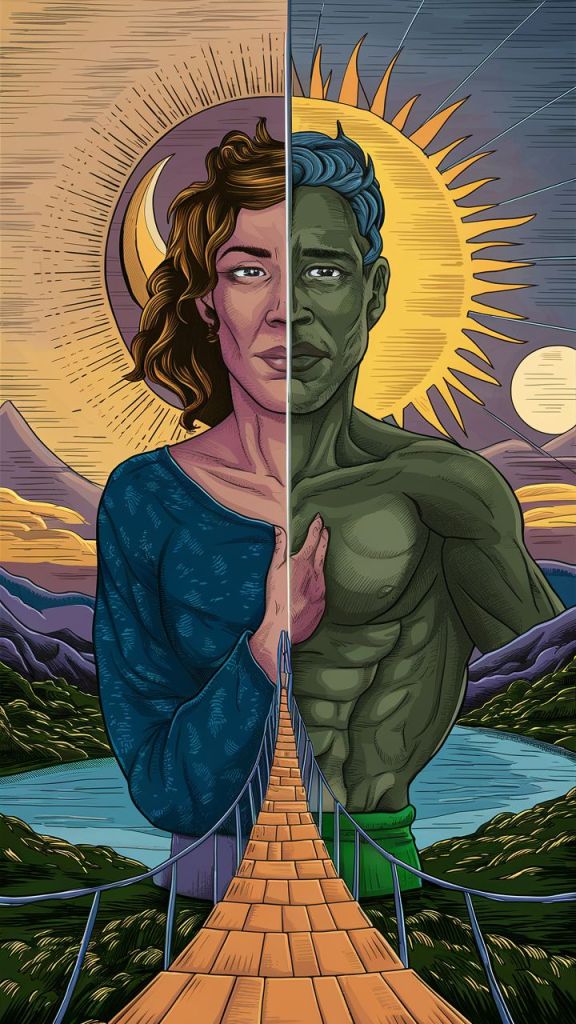
What is Menopause?
Menopause isn’t just a buzzword your older aunt throws around; it’s a significant phase in a woman’s life. Think of it as a full-stop period (pun intended) to menstruation. Typically hitting in the late 40s to early 50s, it comes with a fanfare of symptoms: hot flashes, mood swings, sleep problems – the works. It’s like puberty’s less fun cousin who decides to visit when you thought your body had finished throwing curveballs.
What is Andropause?
Andropause is the less talked about sibling of menopause, and it’s time it got some attention. It’s essentially the male version of menopause. But instead of saying goodbye to menstruation, men wave goodbye to peak testosterone levels. Andropause creeps in usually around the age of 50 and brings along fatigue, mood changes, and a dip in libido. It’s like your body’s midlife crisis without the fancy sports car.
Common Ground: Where Menopause and Andropause Meet
Here’s where things get interesting. Despite being seen as a “woman’s issue” or a “man’s problem,” menopause and andropause have quite a bit in common. Both involve hormonal shifts that can turn your emotional dial up to eleven and throw in some physical changes for good measure. They can strain relationships, challenge self-esteem, and leave you wondering who hijacked your body.
The Diverging Paths: Key Differences Between Menopause and Andropause
But it’s not all shared experiences. Menopause has that definitive marker – the end of menstruation. Andropause? It’s sneakier, with changes creeping in gradually, making it harder to pinpoint. Plus, society’s chatter about menopause is loud, while andropause often gets whispered about, if at all.
Understanding the Psychological Impact
Let’s talk feelings, shall we? Both transitions can mess with your head. Imagine riding an emotional rollercoaster without the safety bar. That’s what the mood swings can feel like. But it’s not just a personal journey; it impacts how you see yourself and interact with others.

Navigating Relationships During Menopause and Andropause
Communication is key. Whether you’re the one experiencing these changes or you’re the partner, talk about it. Understanding and empathy can go a long way in maintaining the bond and intimacy.
Lifestyle Adjustments and Coping Mechanisms
Here’s some good news: diet, exercise, and stress management can really help. Think of your body as a car; it runs better with proper maintenance and the right fuel. And don’t forget the power of a good chat with a doctor or therapist.
The Importance of Awareness and Education
Knowledge is power, folks. The more we know about menopause and andropause, the better equipped we are to handle them. And breaking the stigma? That starts with conversations like this one.
Now, how about we tackle some of your burning questions?
Why is it important to understand both menopause and andropause? It’s crucial because these changes affect a significant portion of the population. By understanding them, we can foster empathy, improve relationships, and provide better support for those undergoing these transitions.
Can men experience hot flashes during andropause?
Yes, some men may experience hot flashes during andropause, although they are less common than in women going through menopause.
What can I do to help a partner going through menopause or andropause? First, listen. Then, offer support, whether that means being patient with mood swings, helping out more around the house, or just being there to talk. Small acts of understanding can make a big difference.
Is hormone replacement therapy (HRT) an option for managing menopause and andropause symptoms?
HRT can be an effective treatment option for some people, there are various ways to manage symptoms. It’s all about finding what works for the individual, but it’s important to discuss the risks and benefits with your healthcare provider.
How long do menopause and andropause symptoms last? It varies. Menopause symptoms can last from a few years to over a decade, while andropause symptoms can also extend for many years. It’s a marathon, not a sprint, so finding ways to manage symptoms long-term is important.
Is it normal to experience a decreased sex drive during menopause or andropause? Yes, a decreased libido is a common symptom of both menopause and andropause. However, there are treatments available that can help improve sexual function and desire.
Can changes in diet and exercise really help with symptoms? Yes, they can! A balanced diet, stress management, getting enough sleep and regular exercise can improve mood, energy levels, and overall health, helping to mitigate some of the symptoms associated with menopause and andropause.
So, what’s the takeaway from our chat? Menopause and andropause are two sides of the same coin, flipping through the air as we all walk our paths. They’re natural, they’re inevitable, and they’re manageable with the right knowledge and support. Let’s not keep this conversation hushed up behind closed doors. After all, the more we talk, the less scary the ride becomes.
Disclaimer: The information provided on this blog is for informational purposes only and should not be construed as professional advice. Consult with a relevant professional before taking any action based on the content on this blog.
 Live Life
Leave a comment