
Maintaining good health can be a tricky business, especially when it comes to that age-old kitchen staple – salt. We all know it enhances flavor, but the constant warnings about sodium leave us wondering: is there a way to enjoy delicious food without wreaking havoc on our blood pressure?
Well, my fellow active agers, there might be a solution! Buckle up, because we’re diving into the world of salt, exploring the good, the bad, and the surprisingly fancy.
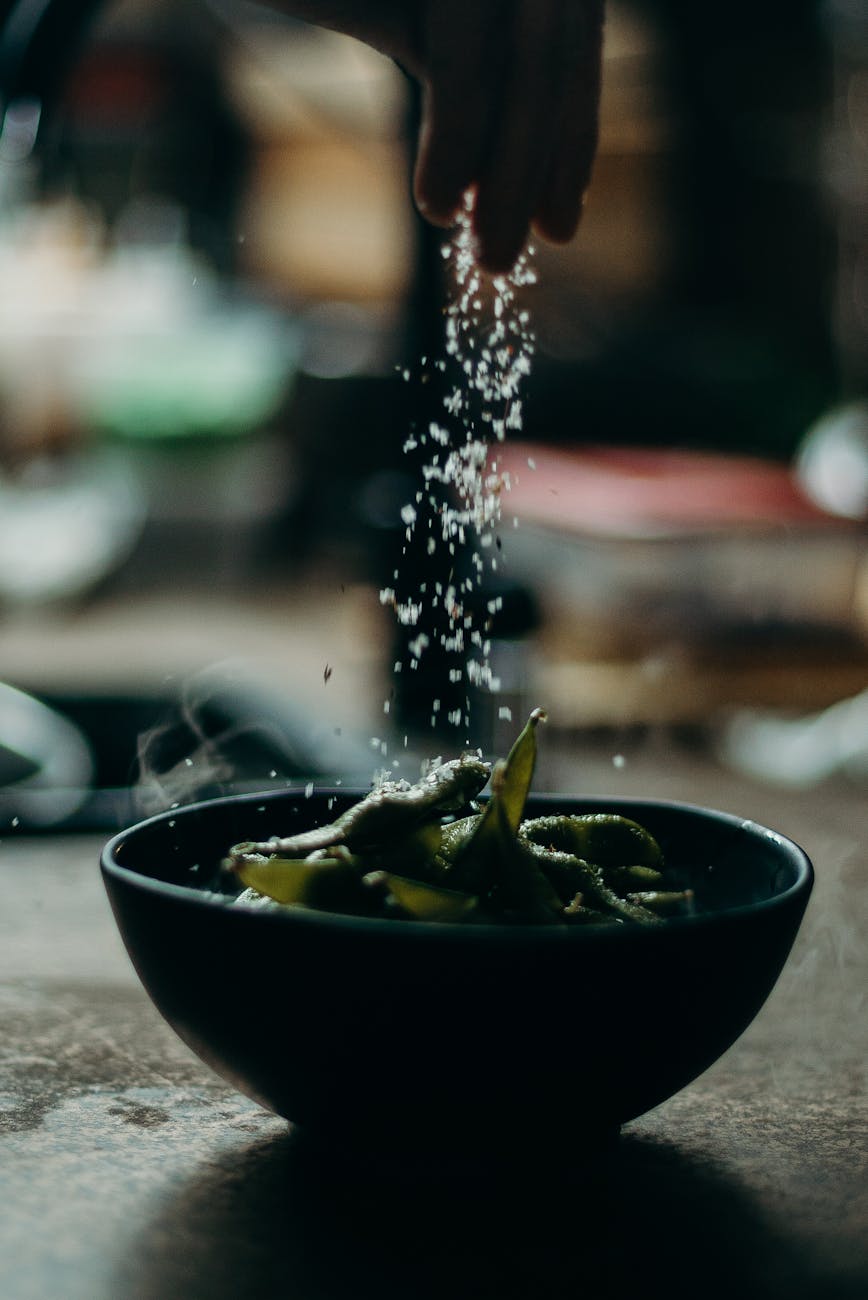
Why We Need Salt (and Why Too Much is Bad)
Let’s start with the basics. Salt, or more precisely sodium chloride, is a crucial mineral our bodies need to function properly. It helps regulate fluids, transmit nerve impulses, and maintain muscle function. Think of it as the silent conductor of your internal orchestra.
But just like a concert with the volume cranked to eleven, too much salt can cause problems. Excessive sodium intake has been linked to high blood pressure, a major risk factor for heart disease and stroke. So, the key is finding that happy medium – enough salt to keep our bodies humming but not enough to drown them out.
The Downside of Regular Table Salt
Now, here’s where things get interesting. The table salt we’re all familiar with has undergone some serious processing. This process strips away many of the naturally occurring minerals found in salt, leaving us with mostly sodium chloride. While it might be cheap and convenient, it’s not exactly a nutritional powerhouse.
What’s worse, processed foods are often loaded with hidden sodium, making it easy to go overboard without even realizing it. Think about all those pre-packaged meals, canned goods, and deli meats – they’re sodium bombs waiting to explode on your unsuspecting taste buds (and your blood pressure).

Rethinking Salt: Exploring Healthier Options
So, what are some better options for active agers who want to enjoy flavorful food without the hidden dangers? Enter the world of fancy salts – Himalayan pink salt and French sea salt, to be specific. Before you scoff at the “fancy” label, let me tell you why these salts might be worth considering.
Himalayan Pink Salt: A Mineral-Rich Alternative
Himalayan pink salt gets its name from its beautiful rosy hue, caused by trace minerals like iron, calcium, potassium, and magnesium. Unlike table salt, these minerals haven’t been stripped away during processing, giving Himalayan pink salt a slightly different taste profile – some say it’s a bit more complex and subtle.
While the amount of these minerals is relatively small, they do contribute a tiny bit of additional nutrients to your diet. More importantly, Himalayan pink salt isn’t heavily refined, meaning it hasn’t been fortified with iodine, which some people prefer.

French Sea Salt: A Flavorful Choice with Benefits
French sea salt, on the other hand, takes a different route. Harvested from the pristine waters along France’s coastline, French sea salt undergoes minimal processing, resulting in a variety of textures – from the delicate fleur de sel to the coarser sel. This minimal processing allows French sea salt to retain some of its natural minerals, including magnesium, calcium, and potassium .These minerals contribute to the unique flavor profile of French sea salt, which can vary depending on the specific region it comes from.
While the health benefits of these trace minerals are minimal, French sea salt offers a delightful way to add complexity of flavor to your cooking, without the bitterness that can sometimes come with table salt.
FAQs
What’s the difference between Himalayan salt and regular table salt? Himalayan salt is minimally processed, retains minerals, and is free from additives, unlike table salt.
Can French sea salt really make a difference in my diet? Absolutely. Its unique mineral content and unrefined nature can enrich your diet with flavors and nutrients missing in regular salts.
How can I effectively reduce my overall salt intake? Focus on fresh, unprocessed foods, and when you do use salt, opt for high-quality Himalayan or French sea salt to get more bang for your buck.
Is it worth the extra cost for high-quality salt? Considering the health benefits and superior taste, investing in high-quality salt can be a small but significant step towards better health.
How does salt consumption affect aging? Moderate, mindful consumption of high-quality salt can support health, but excessive intake of poor-quality salt can accelerate health issues associated with aging.
At the end of the day, it’s up to each of us to make the best choices for our health. But if you’re looking for a simple way to upgrade your cooking and invest in your well-being, consider switching to Himalayan salt or French sea salt. Your taste buds (and your body) will thank you!
 Live Life
Leave a comment