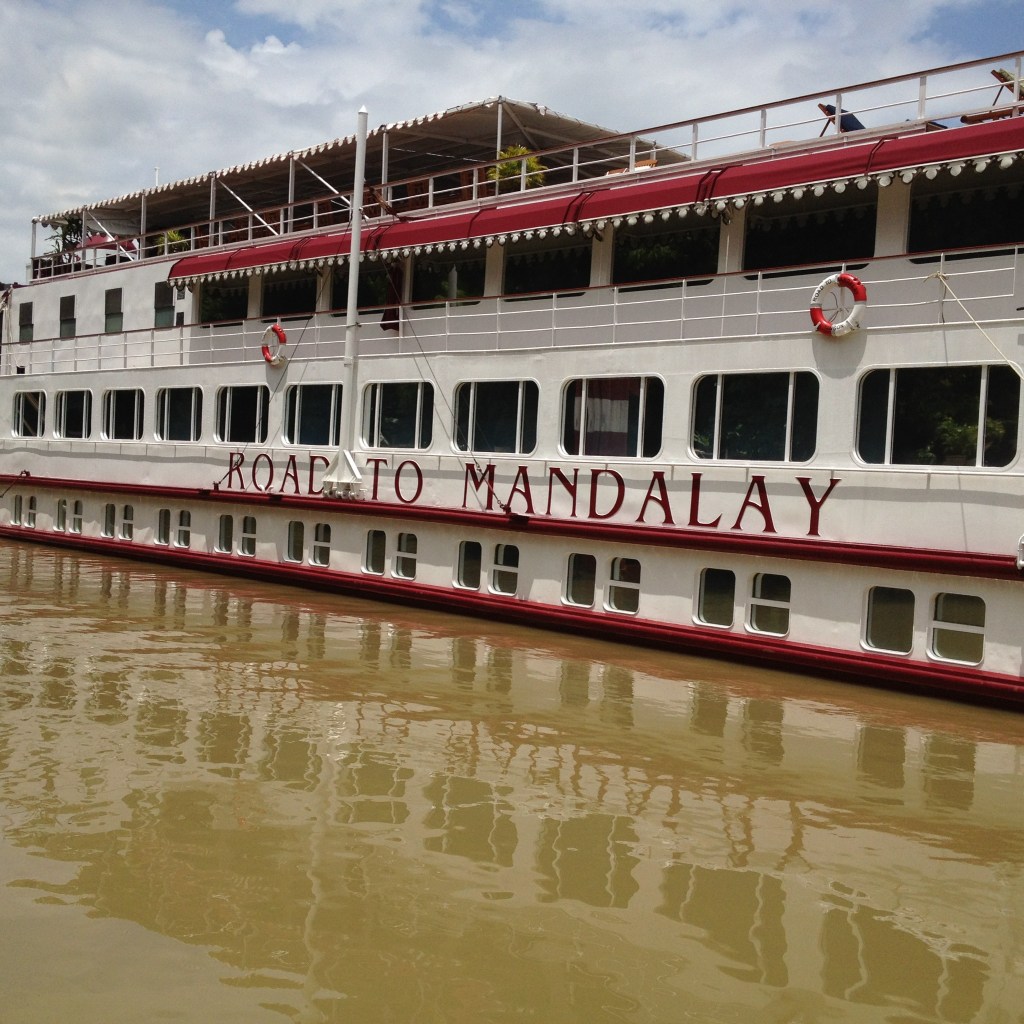
Hey everyone, welcome back to my eleventh installment of Unforgettable Memories! Today, we’re setting sail on a trip down memory lane, all the way to Myanmar.
For those of you who haven’t been following the news, travel to Myanmar has become unfortunately difficult and even dangerous in recent times. This makes me even more grateful that I had the chance to experience this beautiful country years ago on a cruise down the Irrawaddy River.
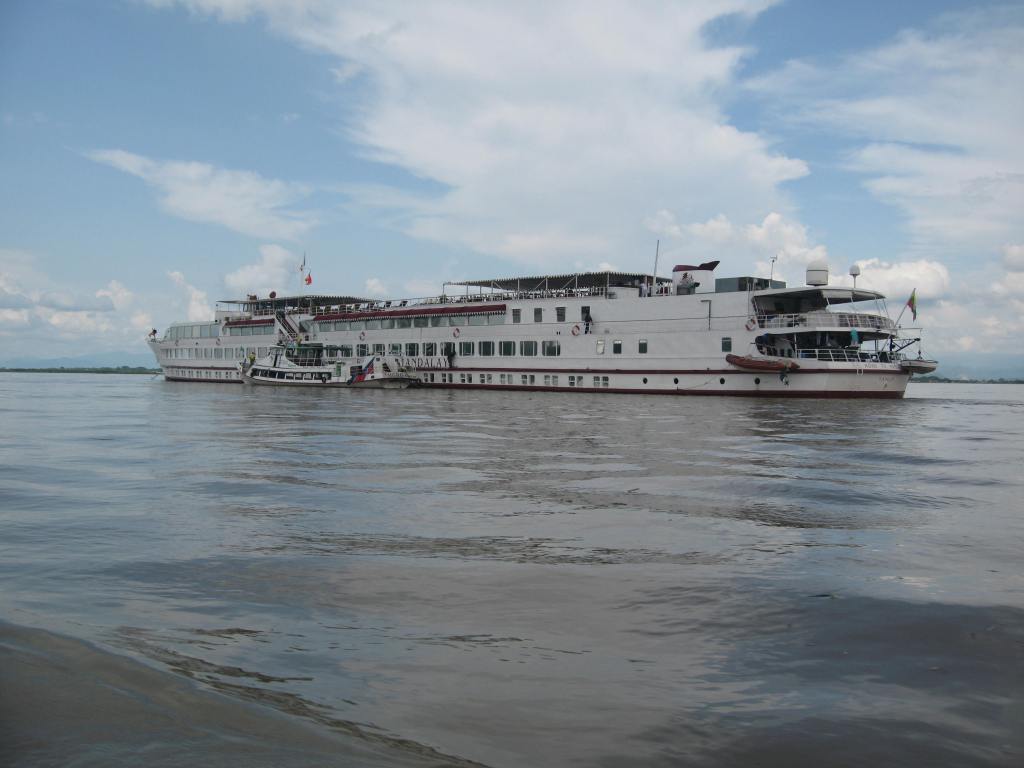
My “Road to Mandalay” cruise was unlike any other. It wasn’t just your typical tourist trap. We stopped at remote villages, soaking up the raw and authentic culture, which is something I always seek out in my travels.
The Allure of the Road Less Traveled
Why do some of us choose the roads less traveled? It’s about the thrill, the pure joy of discovering places that others might not even dare to dream about. There’s something inherently rewarding about setting foot in a location that is untouched and authentic, where the landscapes and faces tell stories untainted by the usual tourist trappings.
Why Myanmar?
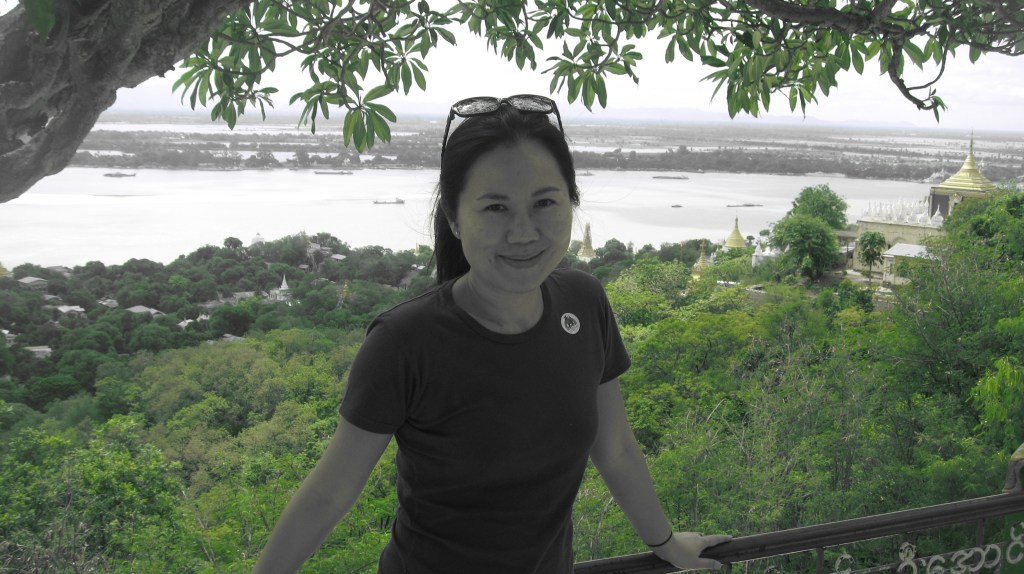
Myanmar, with its complex tapestry of history, culture, and natural beauty, offered an irresistible call to those of us drawn to the allure of the unknown. Known for its mystical temples, vibrant landscapes, and the gentle smiles of its people, Myanmar once represented a kind of frontier of the old-world charm, a place where every traveler could feel like an explorer.
The Journey Begins: Arriving in Myanmar
Landing in Yangon before our cruise, the sense of anticipation was palpable. Packing my camera and journal, I was ready to capture every moment of this journey down the mystical Irrawaddy River, knowing well that each photograph might just become a fragment of a world slipping away under the tides of change.
Down the Irrawaddy River: A Journey Through Time
The Irrawaddy River cruise was more than just a simple voyage; it was a passage through millennia of history and culture. As we drifted downstream, ancient pagodas and bustling village life unfolded on the riverbanks—scenes seemingly plucked from another era, each bend in the river revealing another chapter of Myanmar’s rich narrative.
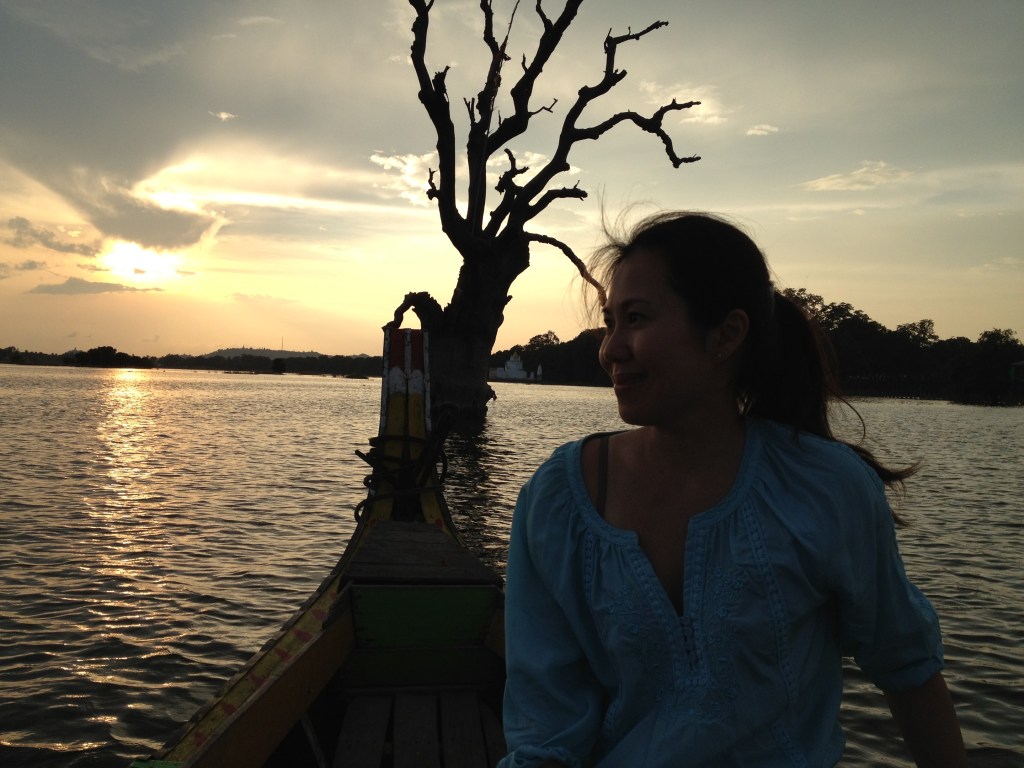
Memorable Stop: U Bein Bridge at Sunset
One of the most poignant memories was sunset drinks on a boat overlooking Ubein Bridge, the world’s longest teakwood bridge, bathed in the golden light of sunset. The silhouettes of monks crossing the bridge created a painting-like scene, where the sky and water met in a confluence of fiery colors. It was a moment of profound peace and beauty, a reminder of the fleeting nature of such experiences.
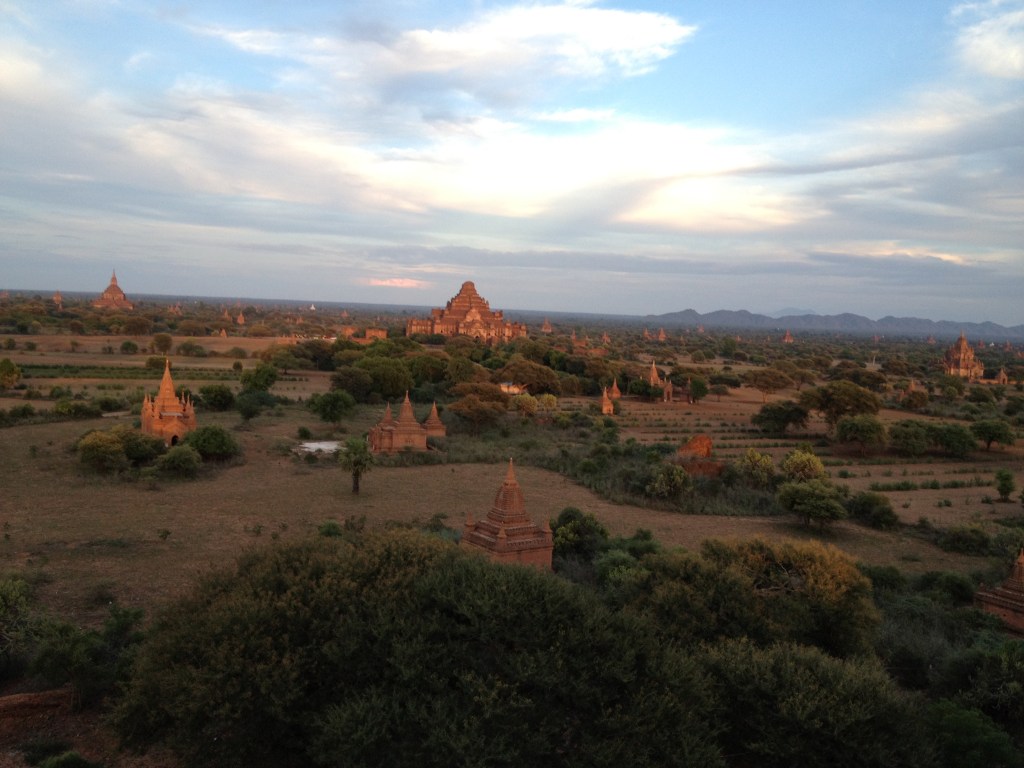
Magical Bagan: Temples Beyond Time
Arriving in Bagan was like stepping into a dream. The landscape was dotted with over 2,000 temples and stupas, their spires reaching towards the sky as if in silent prayer. Watching the sunrise over Bagan, with a light mist swirling around the temples, felt like witnessing the earth whispering its secrets to those who dared to listen.
The Isolated Villages: Encounters and Lessons
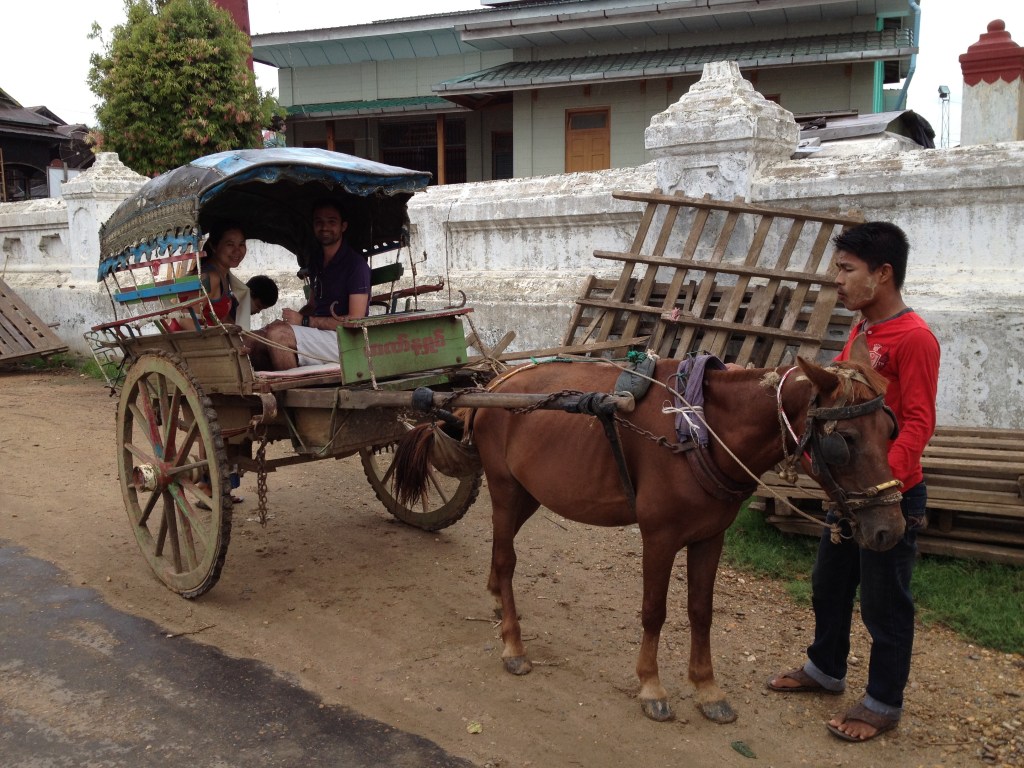
The journey also took us to isolated villages along the river, where we met local artisans and fishermen whose lives were deeply intertwined with the river. Each village had its own rhythm, its own heartbeat that pulsed to the sounds of children playing and craftsmen at work. These encounters were a stark reminder of the resilience and richness of human cultures, so often overlooked.
Reflections on a Vanishing World
Reflecting on this journey now, amidst growing geopolitical tensions and the unfolding tragedy of climate change, it feels like recounting a dream of a land that no longer exists in the same form. Myanmar today faces challenges that make such travel not only difficult but also ethically complex.
Geopolitical Changes and Travel
The geopolitical shifts in Myanmar have reshaped the landscape of travel and interaction. What was once a burgeoning tourist destination now poses significant risks, making it imperative for travelers to consider the broader implications of their adventures.
The Impact of Climate Change on Iconic Destinations
Similarly, climate change is altering the face of many beloved travel spots around the globe. Places like Bagan face threats from erosion and weather extremes, prompting a race against time for those wishing to experience them in their current state.
The Value of Preserving Memories
In this light, preserving memories of our travels becomes even more crucial. Through stories and photographs, we hold onto the essence of places and moments that may soon be altered forever. These records serve not only as personal mementos but also as bridges for understanding and appreciation across generations.
Photography and Storytelling as Tools of Preservation
As we share these stories, we do more than recount adventures; we inspire others to see the importance of cultural and environmental preservation. We encourage a thoughtful approach to travel that values destinations as more than mere backdrops for our narratives but as living, breathing worlds unto themselves.

Explore! Explore! Explore!
So, to those reading this, I urge you to embark on your journeys with an open heart and an eager mind. Explore while you can, and do so responsibly, respecting the places and people you visit. Make your own unforgettable memories, knowing that each experience is a treasure in its own right.
The Unpredictable Future of Travel
In this era of change, let each journey enrich your understanding of the world and inspire you to contribute positively. Embrace the unpredictable nature of travel with a spirit of adventure and responsibility, knowing that each trip could be a once-in-a-lifetime experience. Keep exploring, keep learning, and keep sharing your stories, for they have the power to change not just your own perspective but also that of those around you.
Travel might be unpredictable, but it’s also an irreplaceable teacher. It’s up to us to listen, learn, and pass on the wisdom gained from our adventures. Here’s to making every journey count, to seeking out those unforgettable memories that shape our understanding of this ever-changing world. Let’s not wait for the perfect moment; let’s make the moment perfect by our courageous and conscious choices. Safe travels, fellow explorers, may your roads be enlightening and your burdens light.
FAQs
- How do you choose safe yet adventurous travel destinations? Choosing a destination involves a delicate balance between the thrill of adventure and the practicality of safety. I always start by researching the current political and social climate of the area. Travel advisories and recent news are invaluable. But don’t just stop there; dive into traveler forums and blogs for firsthand experiences. Remember, a well-informed traveler is a safer traveler.
- What are some tips for ethical travel in politically sensitive areas? Traveling ethically in politically sensitive areas requires a deep respect for the local culture and an acute awareness of the region’s issues. Support local businesses and engage with communities respectfully. Always think about the impact of your visit on local resources and strive to leave a positive imprint wherever you go.
- How can travelers contribute to the preservation of endangered destinations? Contribution to preservation can be as simple as choosing eco-friendly tours and accommodations or as involved as participating in local conservation projects. Educate yourself about the destination’s ecological and cultural challenges and use your visit to spread awareness through your social channels or personal networks. Every small action helps.
- What are the best ways to document travel experiences? Beyond just taking photos, keep a travel journal to capture your thoughts and experiences as they unfold. Video blogs or vlogs are also fantastic ways to convey the atmosphere of a place. Whichever medium you choose, focus on storytelling that reflects both the beauty and the realities of the destinations.
- Can travel really make a difference in understanding global issues like climate change? Absolutely. Travel exposes you to the direct effects of issues like climate change and can transform abstract concepts into tangible experiences. This firsthand understanding can turn travelers into advocates for sustainable practices and policies, both at home and abroad.
 Live Life
Leave a comment