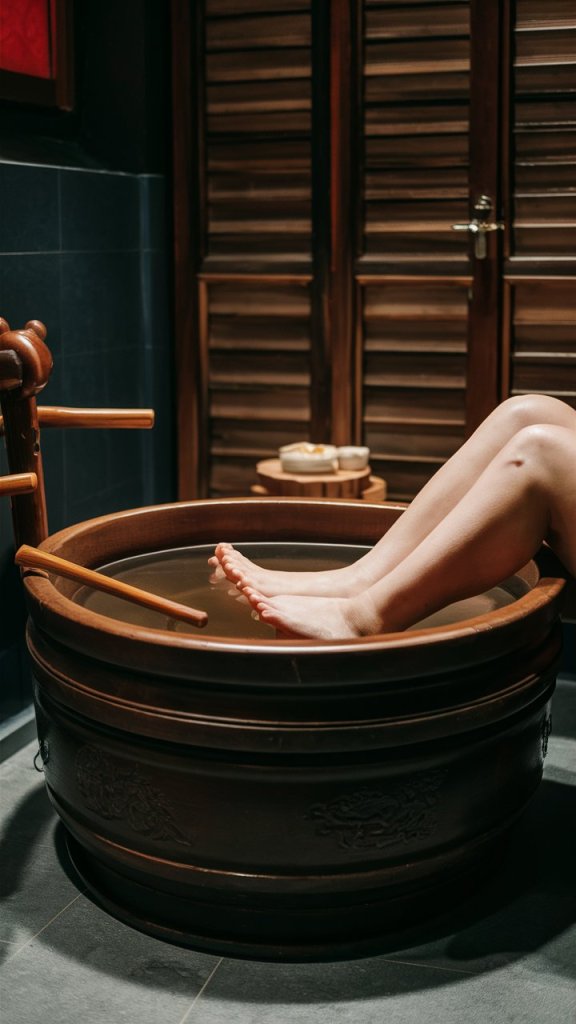
The Accidental Discovery
I’ve always been a fan of massages. There’s something incredibly relaxing about having someone knead the tension out of your muscles. But foot reflexology? Not so much. I understand the concept, and I know it’s supposed to be beneficial, but I’ve never really been able to relax during a session.
Then, a few weeks ago, I bumped into Maria, a grocer I hadn’t seen in ages. She looked absolutely radiant! Her skin was glowing, and she had this peaceful aura about her. Naturally, I had to ask her what her secret was.
Her Glowing Secret
Maria confessed that she’d been doing Chinese foot baths with herbs every night. She said it had transformed her sleep and overall well-being. I was intrigued. The idea of a simple, at-home ritual that could potentially improve my sleep and reduce stress was too tempting to ignore. So, I decided to give it a try.
Understanding Chinese Herbal Foot Baths
Now, before I dive into my personal experience, let’s take a quick detour to understand what these foot baths are all about.
The Ancient Wisdom Behind the Practice
Chinese herbal foot baths have been around for centuries, rooted in Traditional Chinese Medicine (TCM). The practice is based on the belief that our feet are maps of our entire body, with different points corresponding to various organs and systems.
By soaking our feet in herb-infused warm water, we’re supposedly stimulating these points, promoting better circulation, and allowing the herbs’ healing properties to be absorbed through our skin. It’s like a full-body tune-up, starting from your toes!

How It Differs from Foot Reflexology
Now, I know what you might be thinking – “Isn’t this just like foot reflexology?” Well, not quite. While I’ve never been a big fan of foot reflexology (something about someone poking and prodding my feet just doesn’t appeal to me), herbal foot baths are a whole different ball game.
Unlike reflexology, which involves applying pressure to specific points on the feet, herbal foot baths are a passive, relaxing experience. You just sit back, soak your feet, and let the herbs do their magic. No uncomfortable prodding required!
My Skeptic’s Journey to Trying Herbal Foot Baths
I’ll be honest with you – despite Sarah’s glowing recommendation, I was skeptical. I mean, could soaking my feet in some herb water really make that much of a difference?
Overcoming Initial Hesitations
But here’s the thing about being in your 50s – you start to realize that life’s too short not to try new things. Plus, the promise of better sleep was too tempting to resist. So, I decided to give it a shot.
Gathering the Essentials: My Online Shopping Adventure
Off to the internet I went, armed with Sarah’s recommendations and a healthy dose of curiosity. I ended up ordering a nice foot tub (because why not treat myself?) and a blend of Chinese herbs specifically designed for foot baths.

My First Week of Nightly Foot Soaks
With my new foot bath set-up ready to go, I embarked on my herbal soaking adventure. Here’s how it went:
Day 1-3: Skepticism Meets Curiosity
The first couple of nights, I felt a bit silly sitting with my feet in a tub of herb-infused water. The aroma was well herbal 🙂 and the warm water felt nice, but I wasn’t sure if anything was really happening.
Day 4-5: Surprising Benefits Begin to Emerge
By the fourth night, though, something started to shift. I noticed I was falling asleep faster and waking up feeling more refreshed. Was it the foot baths, or was I just imagining things?
The Unexpected Benefits I’ve Experienced
Now, I’ve only been doing this for five days, but let me tell you – I’m already feeling some pretty amazing benefits.

Improved Sleep Quality: A Game Changer
The most noticeable change has been in my sleep. I’m drifting off faster, sleeping more deeply, and waking up feeling genuinely refreshed. As someone who has dealt with some sleep issues—not severe ones—for the past two years, this improvement alone is invaluable.
Overall Well-being: More Than Just Foot Deep
But it’s not just about sleep. I’ve noticed I feel more relaxed overall, and dare I say it – I think my energy levels are improving too. It’s like this simple nightly ritual is having a ripple effect throughout my entire body and mind.
Getting Started with Your Own Herbal Foot Bath Routine
Alright, I know I’ve piqued your interest. So how can you get started with your own herbal foot bath routine? Let me break it down for you.
Essential Equipment: More Than Just a Bucket
First things first, you’ll need a good foot tub. While you could use any old bucket, I recommend investing in a proper foot bath basin. Look for one that’s comfortable, easy to clean, and ideally has some massage nodules on the bottom for extra foot-pampering.
Choosing the Right Herbs: A Beginner’s Guide
Now for the star of the show – the herbs! Traditional Chinese foot baths often use a blend of herbs, each with its own properties. Some common ones include:
- Mugwort (Ai Ye): Known for its warming properties
- Chinese Motherwort (Yi Mu Cao): Believed to improve circulation
- Ginger: Great for warming and promoting blood flow
- Lavender: For relaxation and stress relief
You can find pre-mixed herbal blends online or at Asian supermarkets. Start with a gentle, all-purpose blend and adjust as you get more familiar with what works for you.
Step-by-Step Guide to Your First Foot Bath
Here’s how to get started:
- Fill your foot tub with warm water – not too hot, you should be able to comfortably keep your feet in it.
- Add your herbal blend. Follow the instructions on the package, but typically a handful is enough.
- Soak your feet for about 20-30 minutes. This is a great time to read a book, meditate, or catch up on your favorite show.
- After soaking, dry your feet thoroughly and moisturize.
- For best results, do this nightly before bed.
Tips for Making the Most of Your Foot Bath Experience
To really maximize your foot bath benefits:
- Consistency is key. Try to make it a nightly ritual.
- Use the time to relax and unwind. This isn’t just about your feet – it’s a full mind-body experience.
- Experiment with different herb blends to find what works best for you.
- Keep the water warm throughout your soak. You might need to add hot water partway through.
- Massage your feet gently while they’re soaking to enhance circulation.
Potential Risks and Precautions
While herbal foot baths are generally safe, there are a few things to keep in mind:
- If you have any open wounds or infections on your feet, wait until they heal before trying a foot bath.
- If you have diabetes or circulation issues, consult with your doctor first.
- Some people might be allergic to certain herbs. Always do a patch test first and stop if you experience any irritation.
- Pregnant women should consult their healthcare provider before trying herbal foot baths.
Why I’m Sticking with This New Habit
Five days in, and I’m already a convert to the world of Chinese herbal foot baths. The improvement in my sleep alone has me sold, but the overall sense of relaxation and well-being is the cherry on top.
As we navigate the journey of active aging, it’s easy to overlook simple practices that can have a big impact. This experience has reminded me of the importance of being open to new wellness routines, even if they seem a bit unconventional at first.
So, my fellow active agers, I encourage you to give this a try. Who knows? You might just find your new favorite nightly ritual. Here’s to happy feet and healthier lives!
FAQs About Chinese Herbal Foot Baths
- How often should I do a herbal foot bath? For best results, aim for nightly soaks. However, even 2-3 times a week can be beneficial.
- Can I reuse the herbal water? It’s best to prepare fresh water and herbs for each soak to ensure maximum potency and hygiene.
- How long does it take to see benefits from herbal foot baths? This can vary, but many people (like me!) report feeling some benefits within a few days to a week.
- Are there any alternatives to Chinese herbs for foot baths? Yes! You can try Epsom salts, essential oils, or even simple household ingredients like lemon and baking soda.
- Can I do herbal foot baths if I have sensitive skin? If you have sensitive skin, start with a very mild herb blend and do a patch test first. Always consult with a healthcare provider if you have concerns.
Incorporating a Chinese foot bath with herbs into my nightly routine has been a delightful and beneficial experience. It’s a simple yet effective way to enhance my well-being, improve my sleep, and practice self-care. If you’re looking for a new way to pamper yourself and boost your health, I highly recommend giving it a try.
 Live Life
Leave a comment