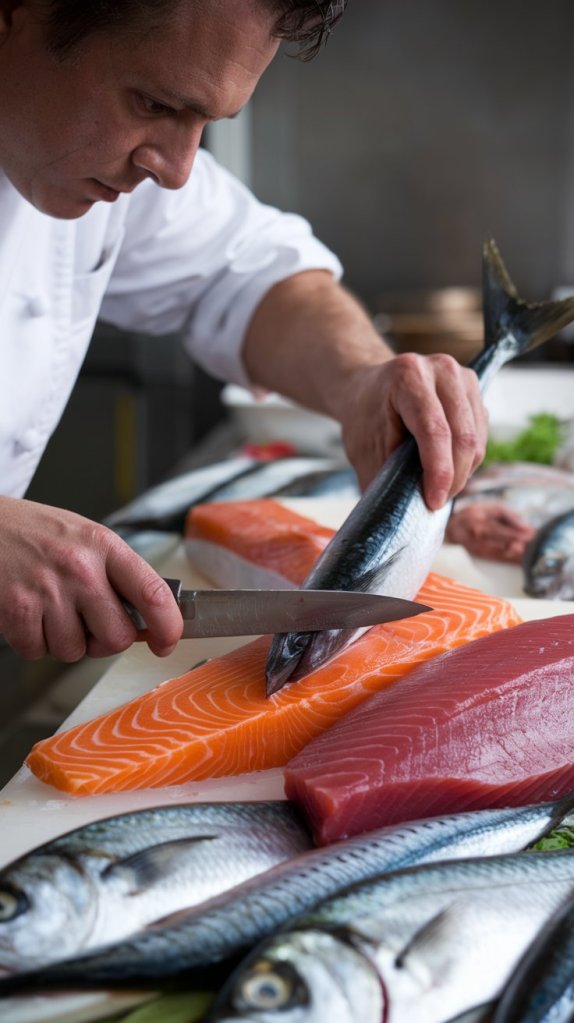
As a flexitarian who’s trying to age actively and gracefully, I’ve always focused on a balanced diet filled with vegetables, fruits, and lean proteins like fish. Tuna and salmon have long been my go-to options when it came to seafood. They’re versatile, delicious, and nutrient-packed. But recently, I discovered a different approach that not only benefits my health but also helps the environment: eating lower on the seafood food chain. And it led me to an unexpected, tasty revelation—sardines and anchovies!
Why Eating Lower on the Seafood Chain is Important
One of the key benefits of eating fish lower on the seafood chain, like sardines and anchovies, is sustainability. Larger fish, like tuna and salmon, are apex predators that consume many smaller fish, which means they require more resources and time to grow. They’re also more susceptible to overfishing, which has serious environmental consequences.
By choosing smaller fish, we can help reduce the pressure on larger fish species and promote a healthier ocean ecosystem. In short, sardines and anchovies are more sustainable options, and the ocean (and future generations) will thank us for making the switch.
But it’s not just about sustainability. There are some fantastic nutritional benefits that come from eating these smaller fish, which I didn’t realize until I started incorporating them into my diet.
Nutritional Benefits of Sardines and Anchovies
Here’s the part that sold me: sardines and anchovies are nutritional powerhouses. Despite their size, they pack a serious punch when it comes to omega-3 fatty acids, protein, calcium, and vitamins.
Rich in Omega-3 Fatty Acids: One of the primary reasons I loved tuna and salmon was because of their high omega-3 content. But guess what? Sardines and anchovies are equally, if not more, rich in these essential fats, which are known for supporting heart health, reducing inflammation, and promoting brain function. Omega-3s are especially important as we age, helping to keep our minds sharp and our hearts strong.
High in Protein: These little fish are an excellent source of protein, which is vital for maintaining muscle mass as we get older. I find that adding sardines or anchovies to my meals helps me feel fuller for longer, without the heavy feeling I sometimes get from larger portions of meat or heavier fish.
Calcium Boost: If you’re anything like me, you’re probably thinking about bone health a lot more these days. Sardines are one of the rare non-dairy sources of calcium, which is a big win for those of us looking to maintain strong bones without relying solely on dairy products.
Packed with Vitamins and Minerals: Sardines and anchovies are also loaded with essential nutrients like vitamin D (which helps with calcium absorption), vitamin B12 (important for nerve health and energy production), and selenium (a powerful antioxidant).
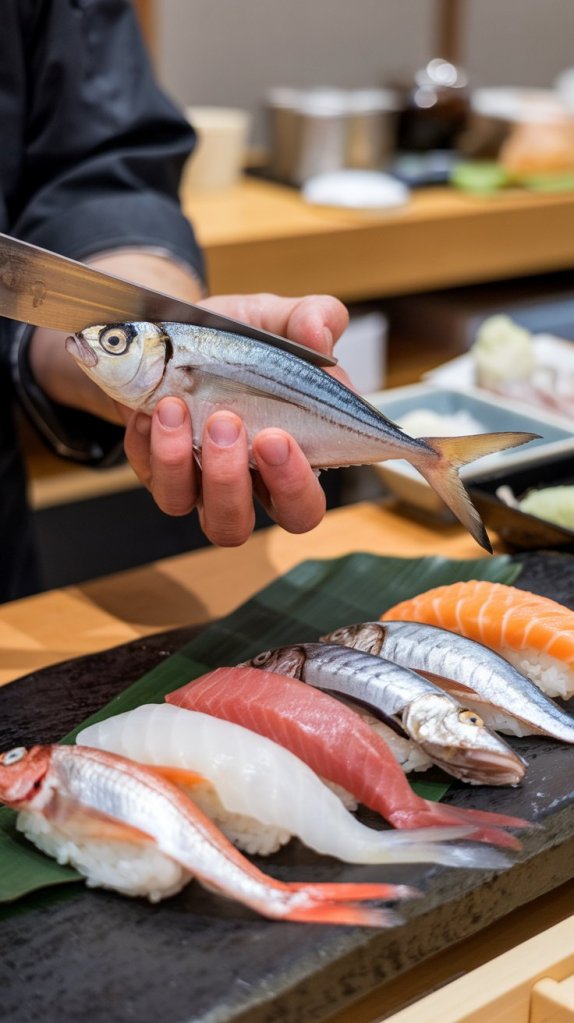
Environmental Benefits of Choosing Smaller Fish
I touched on sustainability earlier, but it’s worth diving deeper into why choosing sardines and anchovies can make such a big impact. Fishing for smaller species tends to have a lower environmental footprint. These fish reproduce quickly and in larger numbers, meaning their populations can recover faster compared to larger fish, like tuna or salmon, which are often overfished and slower to reproduce.
Additionally, sardines and anchovies don’t accumulate as many toxins like mercury and microplastics in their bodies, which is more common in larger fish higher up the food chain. This makes them a healthier option for us humans too, especially if we’re eating fish regularly.
My Shift from Tuna and Salmon to Sardines and Anchovies
Let me be clear: I still enjoy tuna and salmon, especially when dining out or when a recipe specifically calls for them. But at home, I’ve been experimenting more with sardines and anchovies. It’s been a bit of a journey.
Incorporating them into my cooking routine has been a gradual process, and I’m still figuring it out. With some trial and error (and a dash of creativity), I’ve discovered a few tasty ways to use them. They haven’t fully become a staple in my diet yet, but they’re finding their way onto my plate more often. It’s comforting to know that every small step I take is leading me toward healthier and more environmentally conscious choices.
How I Enjoy Sardines and Anchovies
I’ve been trying different approaches, mixing up how I use sardines and anchovies in my meals. Here are some of the options I’ve started to embrace, although I’m still fine-tuning these into my regular cooking routine:
- Sardines on Toast: A simple and quick lunch I’ve started to enjoy. I toast a slice of whole-grain bread, mash up some avocado, and layer a couple of sardines on top. I add a squeeze of lemon and a dash of red pepper flakes for a zesty finish.
- Fried Anchovy Omelette: One of my go-to comfort meals that’s easy to make, especially on a busy night. I use dried anchovies, which are crispy and savory when fried. For those not living in Asia, you can find these dried anchovies in most Asian grocery stores I fry them up until golden, mix them into beaten eggs, and cook the mixture into a flavorful omelette. Paired with a bowl of rice, it’s a satisfying and simple dinner I’ve been enjoying more frequently.
- Pasta with Anchovies: Anchovies have a magical way of dissolving into sauces, adding a deep, savory flavor without being overpowering. I’ve started tossing them into simple garlic and olive oil pasta dishes, then throwing in some greens like spinach or kale. It’s quick, tasty, and rich in nutrients.
- Sardine Salad: For something fresh and light, I mix sardines with chopped cucumbers, cherry tomatoes, olives, and a bit of feta. A drizzle of olive oil and a squeeze of lemon bring it all together into a Mediterranean-style dish that’s both filling and packed with flavor.
- Anchovy Tapenade: I’m slowly starting to use anchovies in more dips and spreads, like a homemade olive tapenade. Blending anchovies with capers, garlic, and olives creates a deeply flavorful spread I can use on crackers or as a topping for grilled veggies or chicken. It’s an easy way to work them into my diet without focusing on the anchovy itself.
While I’m still exploring these recipes and finding what works best for me, I’m feeling good about the direction I’m heading—making meals that not only taste great but support my health and the environment too.
Final Thoughts: A Small Change with Big Benefits
Switching to sardines and anchovies might seem like a small change, but the impact on both my health and the environment has been significant. I’m getting the same (if not better) nutritional benefits as I did from tuna and salmon, while also doing my part to support more sustainable fishing practices.
If you haven’t tried sardines or anchovies yet, I encourage you to give them a shot. Start small—maybe by adding them to a dish you already love. You might just be surprised by how much you enjoy them, and you’ll feel good knowing you’re making a choice that’s better for both you and the planet. After all, active aging is all about finding balance, and sometimes that balance comes from the smallest—and tastiest—of changes.
 Live Life
Leave a comment