Embracing Change and Open-Mindedness in Active Aging
As I navigate the vibrant journey of active aging, I’ve found myself reflecting on the shifting landscape of information and how it affects our perceptions, especially as we grow older. In a world where misinformation seems to proliferate, it’s crucial to recognize not just the facts, but also the biases that color our understanding.
The Role of Misinformation and Media Bias
In recent years, the conversation around misinformation has intensified. It’s not merely about false facts; it’s also about the biases embedded in media coverage. Depending on where you are in the world and whose narrative you subscribe to, the portrayal of events can vary dramatically. For instance, Western media often presents a critical view of markets like Hong Kong and Chinese stocks, while perspectives from Singapore—where I reside—tend to be more balanced.
This discrepancy can lead to confusion and uncertainty, particularly for those of us who are considering investments or making lifestyle choices based on these narratives. As someone who has experienced different cultures and viewpoints, I’ve learned that it’s essential to sift through this noise with a discerning eye.

Personal Biases: A Journey of Growth
Reflecting on my own journey, I recognize that personal biases can stem from our life experiences and conditioning. When I was younger, I was often headstrong and quick to form opinions without fully understanding the complexities involved. However, as I’ve aged, I’ve come to appreciate the value of keeping an open mind.
Life has taught me that change is constant—people evolve, situations shift, and new information emerges. Embracing this fluidity allows us to grow and learn from diverse perspectives. Listening to different viewpoints before making decisions has become a cornerstone of my approach to life.
The Power of Distilling Information
One of the most powerful tools I’ve discovered is the art of distillation—sifting through information to extract what truly matters. In today’s digital age, this skill is more critical than ever. For leisure activities like travel planning, I often turn to leading travel aggregators where user feedback can provide a wealth of insights.
Here’s how I approach evaluating a new piece of information:
- Familiarity: Start by considering if you recognize the source. While familiarity can be helpful, don’t rely solely on it; always verify its credibility through research.
- Gut Feeling: Trust your instincts when something seems off or overly sensationalized. If a claim feels extreme or lacks balance, investigate further before accepting it as truth.
- Cross-Referencing: Look for corroboration from other reputable sources. If multiple trusted outlets report similar findings, it’s more likely that the information is accurate.
- Primary vs. Secondary Sources: Whenever possible, seek out primary sources of information rather than relying on interpretations or summaries from secondary sources. The closer you are to the original data, the more reliable your understanding will be.
By applying these principles and methods, you can enhance your ability to discern trustworthy sources in an era where misinformation is rampant. Being an informed consumer of information empowers you to make better decisions based on accurate data.
A Personal Experience in China
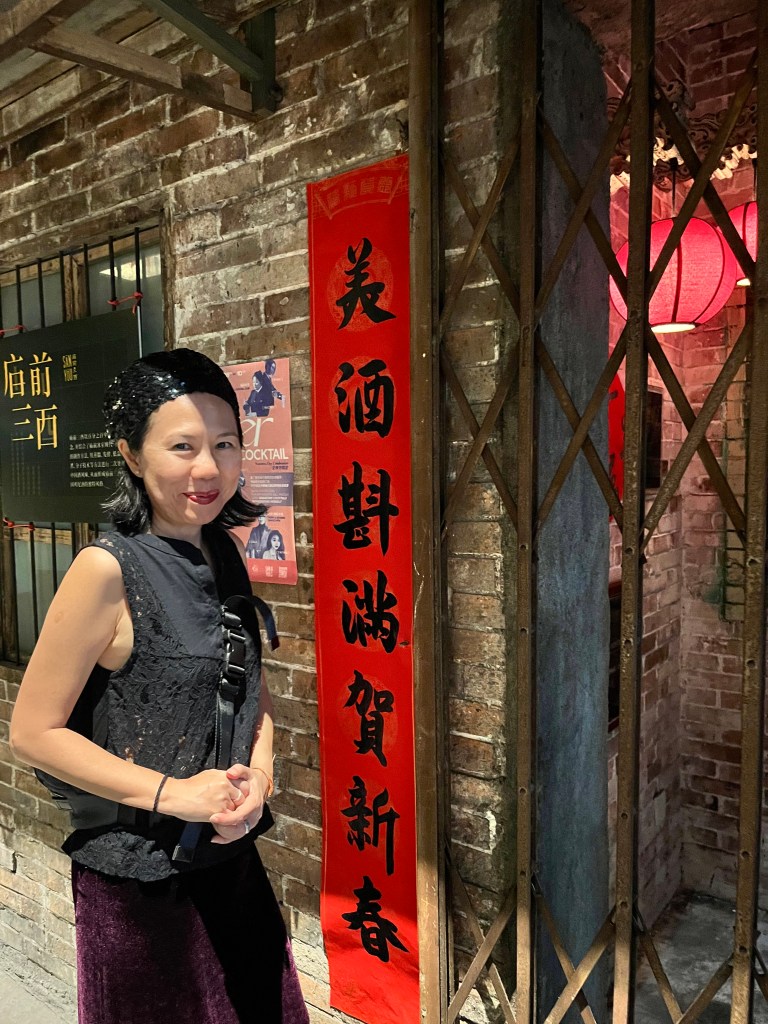
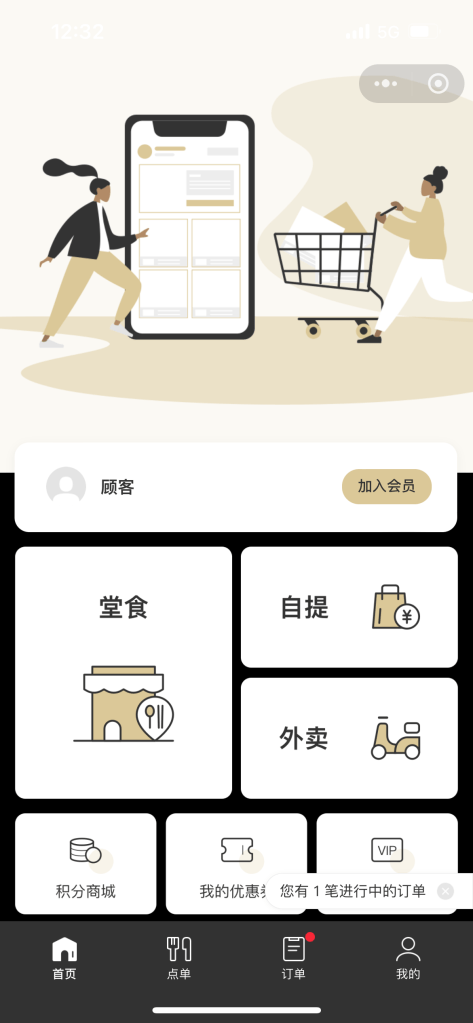
Recently, I had the opportunity to visit China after nearly a decade away. The changes were astounding! The country now boasts a robust digital payment system seamlessly integrated into daily life—from public transport to dining out. This firsthand experience allowed me to reassess my views on investing in companies like Tencent, which owns WeChat.
With this new found knowledge, my confidence in investing has grown significantly. It’s a reminder that personal due diligence—experiencing things for ourselves—can provide clarity that external narratives may obscure.
Trust, But Verify
As I reflect on all this, I find that trusting yet verifying has become my motto. Whether it’s financial news, product reviews, or political reporting, taking a moment to dig deeper, to see the issue from different angles, and to verify from multiple sources has made all the difference. This is just part one of my observations, and there’s so much more I’ve learned. But for now, the message is simple: an open mind and a bit of due diligence go a long way.
 Live Life
Leave a comment