
Gout: A Surprising Diagnosis in My Late 20s
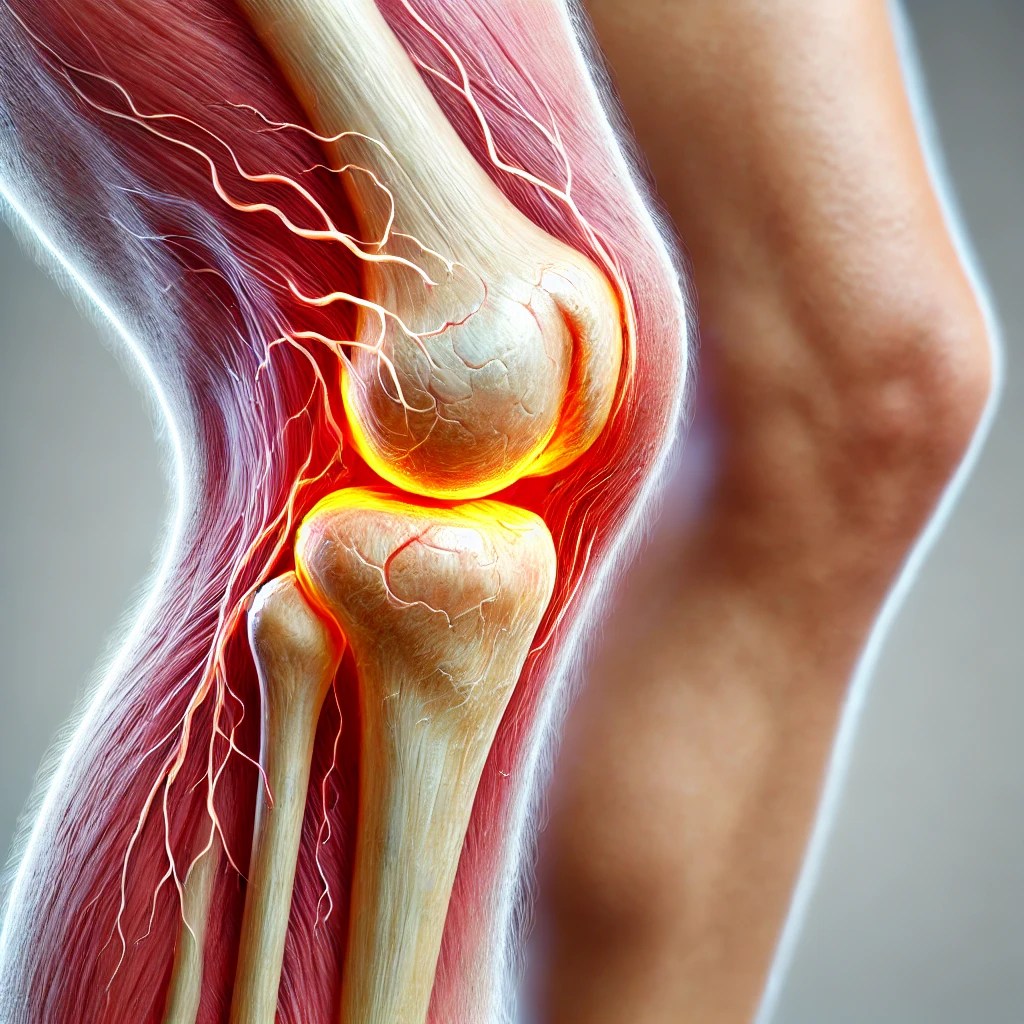
Gout. I never imagined that word would mean so much to me, especially at such a young age. Gout typically affects men in their 40s, but I received my diagnosis in my late 20s. I didn’t fully understand it at first, but the symptoms were impossible to ignore. Gout is a type of inflammatory arthritis caused by an accumulation of uric acid crystals in the joints, often leading to sudden and severe pain.
Recognizing Gout Symptoms
When gout first hit, it targeted my kneecaps with a force I’ll never forget. Identifying gout can be tricky for those unfamiliar with its symptoms. Typically, an attack is characterized by:
- Sudden severe pain: This often occurs at night and can feel like your joint is on fire.
- Swelling and redness: The affected joint becomes swollen, warm, and tender to touch.
- Limited movement: You may find it difficult to move the affected joint due to pain, I certainly did!
If you experience these symptoms, especially in your big toe or other joints like mine, it’s advisable to see a doctor who can confirm the presence of uric acid crystals through tests.
Managing Gout Through Diet
While gout is a chronic condition that cannot be completely cured, managing it effectively is possible through lifestyle changes, particularly diet. Over the years, I’ve learned which foods to avoid and how to adapt my eating habits.
Foods to Avoid
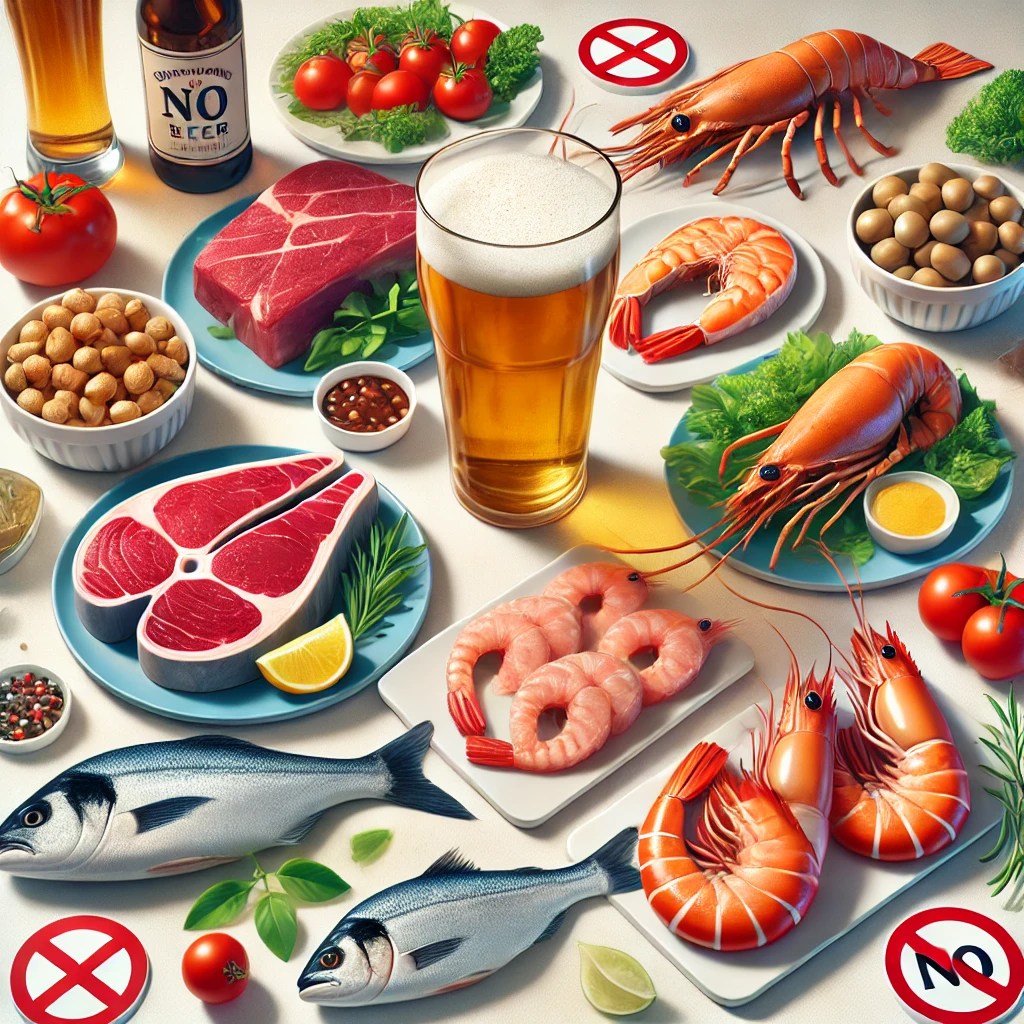
Certain foods are notorious for triggering gout attacks due to their high purine content, which converts to uric acid in the body. Here are some items I either limit my intake with or steer clear of:
- Red meats and organ meats: These include beef, lamb, liver, and other organ meats.
- Certain seafood: Fish like sardines, anchovies, and shellfish can exacerbate symptoms.
- Sugary beverages: Drinks sweetened with fructose or sugar can increase uric acid levels.
- Excessive soy products: Although I love plant-based foods, I’ve had to limit my soy intake as it can contribute to uric acid buildup.
Embracing a Flexitarian Diet
Since my early 30s, I adopted a stricter diet that has helped manage my gout. I transitioned into a flexitarian lifestyle, focusing on mostly plant-based foods while still allowing for occasional meat consumption. This approach has not only improved my health but also made me more mindful of what I eat and better manage my gout situation.
Supplements and Remedies
In addition to dietary changes, I’ve found that certain supplements help in managing my condition:
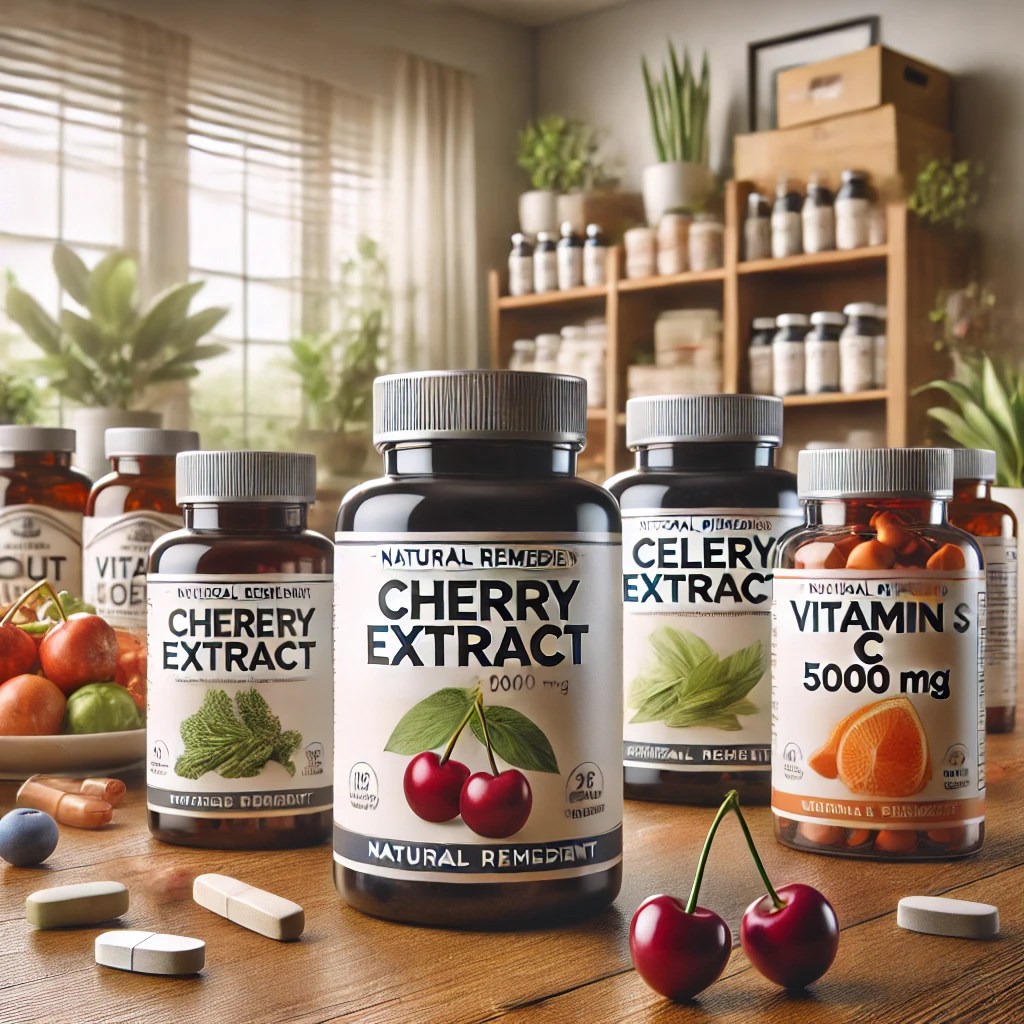
- Vitamin C: I have been taking 5000 mg daily when I have an attack, and it usually neutralizes my condition within 24 to 36 hours since my late 20s. In my case, vitamin C doe help to lower my uric acid levels effectively.
- Celery Seed Extract: Celery pills have become a staple in my regimen due to their anti-inflammatory properties. This is my go-to supplement when I start to feel pain; I usually try to neutralize it before it becomes full-blown, making it easier to manage.
- Cherry Extract: Occasionally, I use cherry pills, which are also known for their potential benefits in reducing gout flare-ups.
Managing gout is a journey that requires dedication and balance. While I’ve shared natural ways to help manage my condition, remember: these supplements are not magic cures! The most crucial aspect is moderation.
I can still indulge in occasional treats, but it’s vital to avoid going overboard on those gout-triggering foods.This approach has empowered me to keep my gout under control. Although I still experience occasional flare-ups, they are much less frequent and severe. Gout is something you manage, not cure. With thoughtful planning and dietary adjustments, you can lead an active and fulfilling life, savoring every moment without being held back by this condition.
 Live Life
Leave a comment