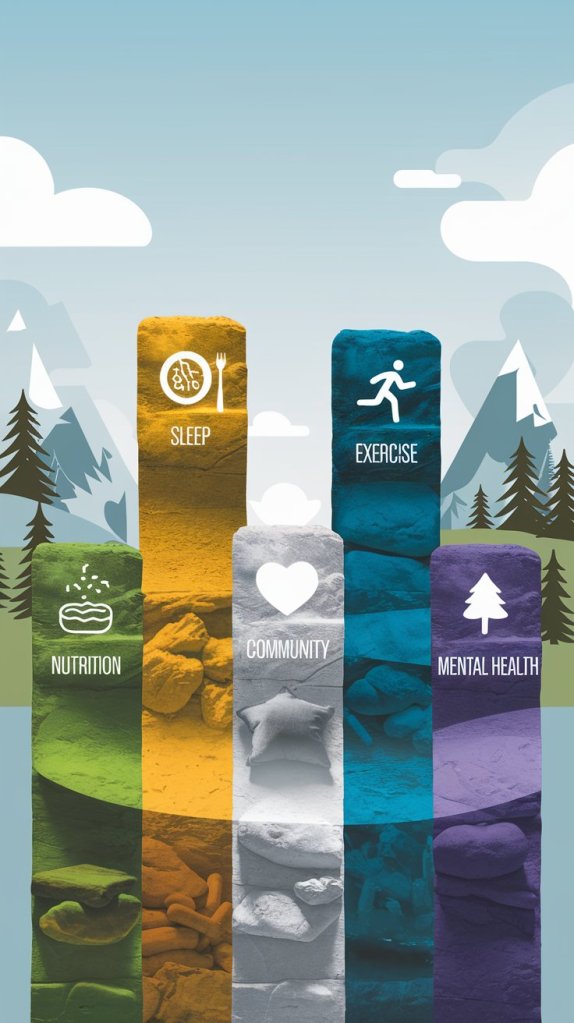
These past few years, I’ve made it a personal mission to not just grow older—but to age well. Actively, intentionally, and with joy. I’ve spent a fair share of weekends at longevity forums and health seminars, absorbing data, personal stories, and evidence-based strategies for what truly contributes to a healthy healthspan—that is, not just the number of years we live, but the quality of those years.
And if there’s one clear message that keeps resurfacing in these discussions, it’s this: our lifespan is, to a large degree, shaped by our choices—not just our genes.
Today, I want to share with you what I’ve found to be the five fundamental factors that impact healthspan. These are recurring themes echoed by experts and reflected in my own lived experiences. Think of this post as a conversation over coffee, a peek into my active-aging lifestyle, and maybe even a gentle nudge to start assessing your own journey.

You Are What You Eat: Nutrition That Nourishes Beyond Calories
If there’s one thing aging has taught me, it’s that food is more than just fuel—it’s information. What we eat speaks directly to our cells, our energy, our mood, and even how gracefully we age. And yet, I’ve never been one for radical diets or food fads. You won’t catch me counting every carb or eliminating entire food groups just because it’s trendy.
Instead, I’ve found a sustainable rhythm through a flexitarian lifestyle—a mostly plant-based approach that still allows room for animal protein in moderation. For me, that means eating more vegetables and fruits than meat. I focus on whole, seasonal produce. This produce is as vibrant on the plate as it is nourishing to the body.
When I do eat meat, I tend to favor fish—from humble sardines to omega-rich salmon (my personal favorite)—and lean white meats. Red meat has become an occasional guest rather than a staple. And interestingly, I’ve also made a quiet switch from brown rice to black rice, which offers a nuttier flavor and a higher antioxidant punch.
But perhaps the biggest shift for me is choosing home-cooked meals over eating out. There’s something comforting, grounding, and even therapeutic about preparing your own meals. I know what’s going into my food, I can control the oils, the seasoning, and the portions—and frankly, it just tastes better. Cooking has become a form of self-care.
I still enjoy the occasional indulgence, of course. A slice of cake here, a glass of wine there. But the foundation of my diet is built on balance, color, and common sense. No deprivation, no drama. Just a deep respect for how food connects to wellness.
Because at this stage in life, I’m not chasing a number on the scale—I’m building a body that lets me live fully, vibrantly, and with intention.
Movement That Matches You: Exercise as a Lifelong Companion
Let’s get one thing clear: you don’t need to hit the gym six days a week or train for a triathlon to stay fit after 50. But consistent, intentional movement? That’s non-negotiable—for your joints, your heart, your mood, and your future self.
For me, walking has always been the anchor. I still keep up with my thrice-weekly walks to the beach, and they’re not just casual strolls. I’ve built in a bit of cardio by running up and down the stairs and tackling a more elevated, hilly route once I’m back home. These mini bursts get my heart pumping and my lungs working—and there’s something deeply satisfying about finishing strong, sweaty, and smiling.
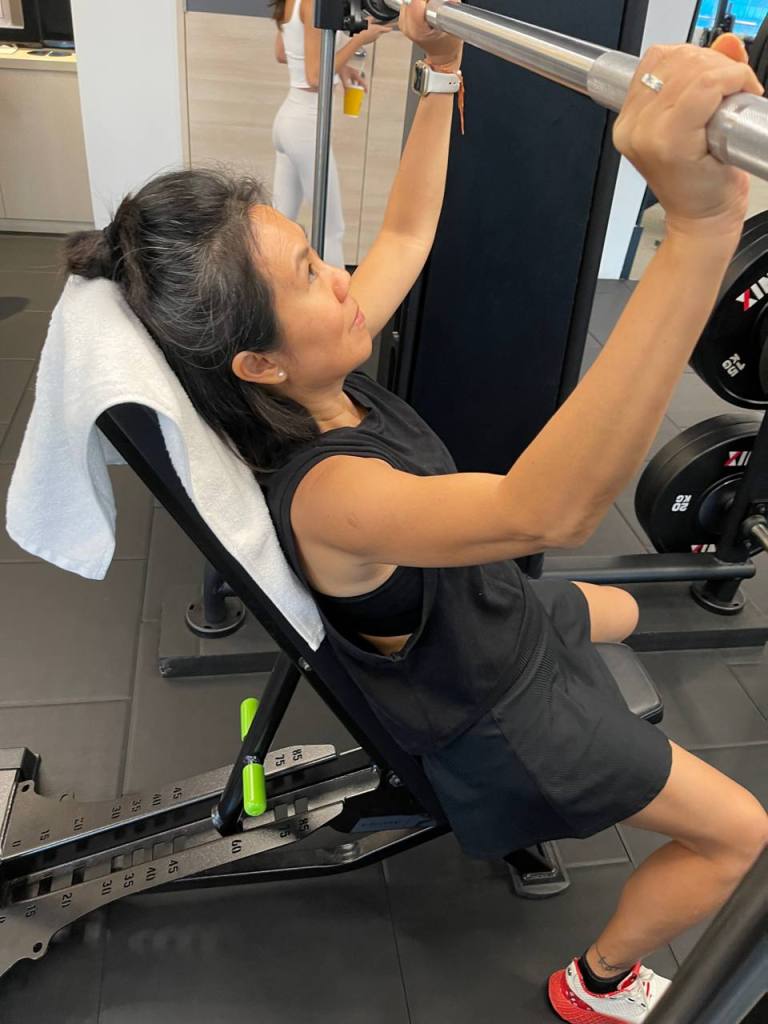
But here’s where things got interesting: recently, I’ve started confronting my weaknesses head-on. Specifically, core strength . I used to avoid anything that involved pull-ups or resistance bands like the plague—largely because I was, well, terrible at them. But that’s exactly why I needed to begin.
So, I’ve gently introduced stretch band exercises and basic pull-up training into my routine. It’s humbling (and occasionally hilarious), but I’m showing up. Slowly building that foundation. And honestly? There’s a quiet power in doing the hard things—especially the ones we’ve tiptoed around for years.
Of course, I haven’t abandoned the movements that come naturally. Thanks to my dance background, stretching has always been a strength. I continue with regular stretching sessions, but now I’m exploring new poses and movements to deepen my flexibility and body awareness. Think of it as leveling up—gracefully.
The bottom line? Fitness isn’t about perfection. It’s about showing up, adapting, and embracing your body’s evolving needs. Whether you’re dancing in your living room or battling resistance bands in your hallway, every bit counts. Keep it moving—your future self will thank you.
Sleep: The Underrated Superpower
Studies show that 35-40% of adults get less than the recommended 7 hours nightly, and the statistics are worse for those over 50. Yet sleep may be the most powerful tool in our longevity toolkit.
During deep sleep, your brain clears waste products, your cells repair damage, and your hormones rebalance. Chronic sleep deprivation is linked to everything from cognitive decline and weakened immunity to weight gain and heart disease.
One of the most impactful changes I’ve made? Adjusting my caffeine habits. These days, I limit myself to just one cup of coffee on weekdays, typically in the morning when I need that gentle nudge into alertness. On weekends, I do my best to avoid caffeine altogether and let my body reset. In the afternoons, when I want a little lift without the jolt, I sip diluted green tea—a compromise that lets me enjoy its antioxidant benefits without overstimulating my system. I’ve found that even small amounts of caffeine late in the day can sneak into my sleep cycle and disrupt it.
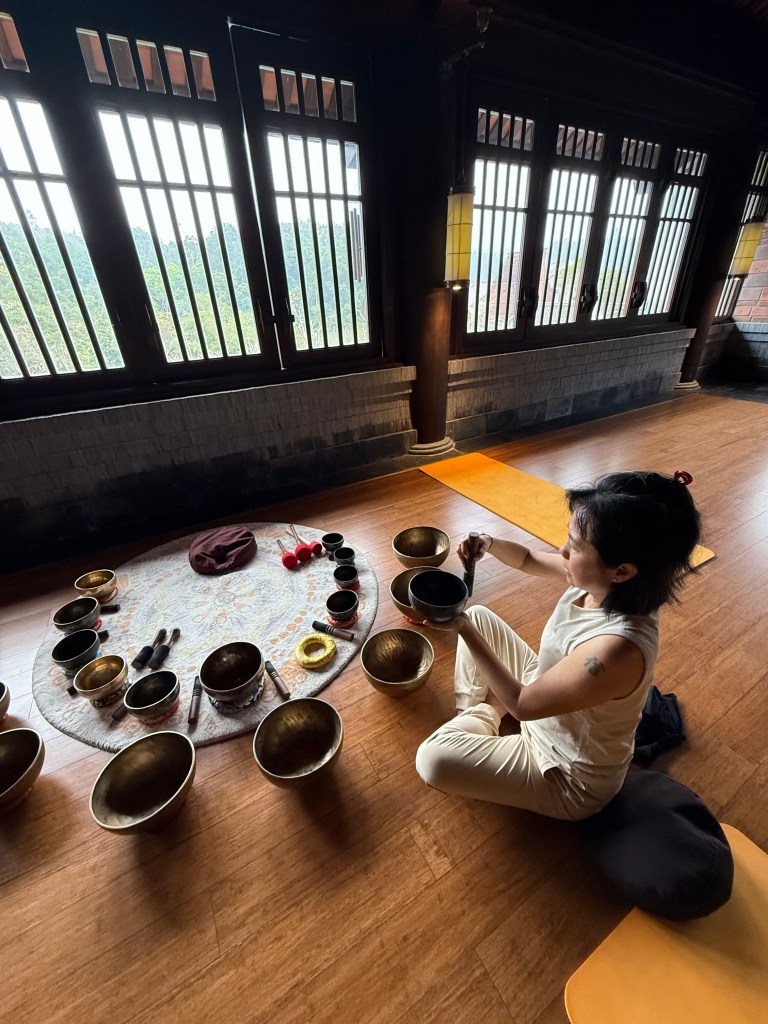
Another recent and surprisingly soothing addition? OM meditation. I picked it up during a wellness retreat on a recent trip, and it’s become an evening ritual. Just a few minutes of chanting or listening to the sound—simple, rhythmic, and deeply grounding—quiets my mind and eases me into a more restful state. It’s a practice that doesn’t require much, but delivers so much in return.
It’s not perfect yet – those 3 AM wake-ups still happen – but I’m committed to prioritizing this crucial recovery time. This is my personal focus area this year. It’s not perfect yet – those 3 AM wake-ups still happen – but I’m committed to prioritizing this crucial recovery time.
Mental Health: Keeping the Mind Resilient
Our brains need as much care as our bodies. The research is clear that chronic stress accelerates aging at the cellular level, while continuous learning builds cognitive reserve that helps protect against dementia.
I’ve adopted a three-pronged approach to mental fitness:
- Stress management through daily meditation and mindful breathing
- Cognitive stimulation by learning new skills (currently dabbling with various AI tools and watching podcasts from contrarian equity investors)
- Emotional regulation through short restorative trips that provide space for introspection and practicing gratitude
I’ve lived through enough ups and downs to know that resilience isn’t about avoiding challenges – it’s about developing healthy responses to them. My mental health toolkit grows more valuable with each passing year. Those weekend retreats to the mountains or quick coastal getaways have become essential to my well-being, offering both the change of scenery and mental space I need to process life’s complexities.
The Power of Your People: Community and Connection
Ah, the tribe. This one hits home, especially post-divorce and post-pandemic, when many of us found our social circles shrinking or shifting.
Studies repeatedly show that strong social ties can increase lifespan by up to 50%. That’s more powerful than exercise or quitting smoking! Why? Because emotional support buffers stress, reduces inflammation, and encourages healthier behaviors.
I’ve been intentionally reassessing my own social connections lately, focusing on relationships that bring positive energy and shared values.
This doesn’t mean surrounding myself only with like-minded people – healthy debate and diverse perspectives keep us growing. But it does mean being selective about who gets my precious time and emotional energy.
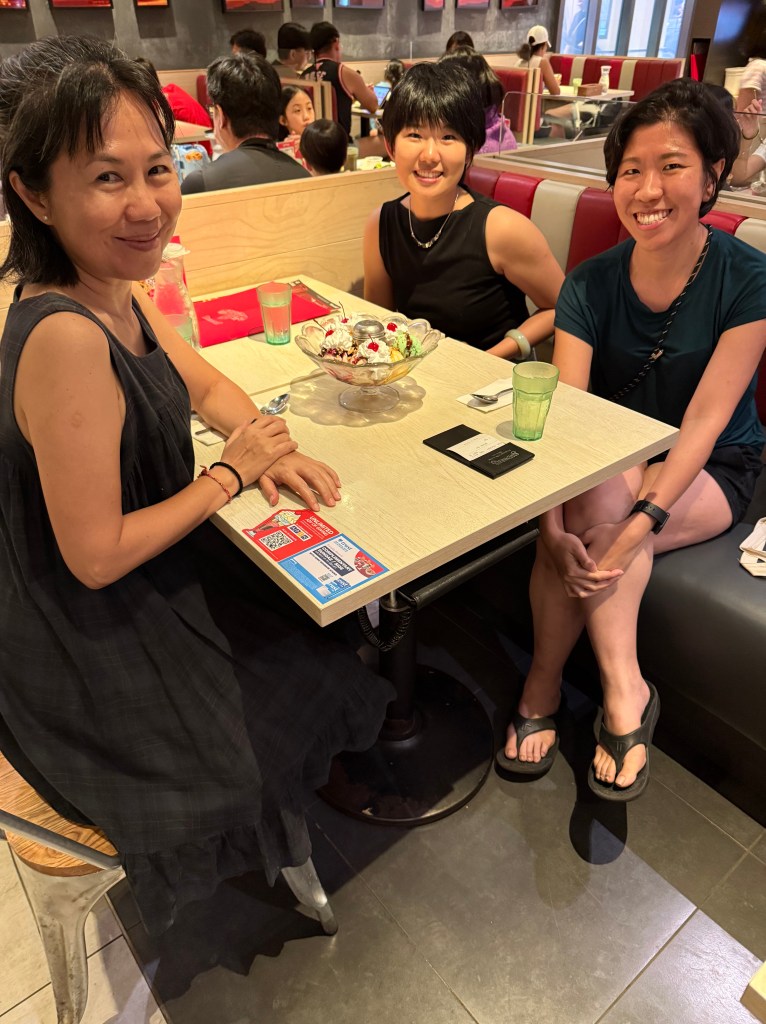
My advice? Seek out intergenerational friendships through travel, work, or by joining a class. Reconnect with that long-lost friend. And don’t be afraid to say goodbye to connections that no longer align with your growth.
Healthspan Is the New Wealth
Aging is inevitable, but how we age? That’s a daily decision.
I’m not chasing youth. I’m cultivating vitality—with food that energizes, movement that excites, sleep that restores, thoughts that inspire, and people who love me into being my best self.
My next steps? Continue refining my sleep ritual and investing in relationships that align with who I am now—not who I used to be. Because midlife isn’t a crisis. It’s a crossroads.
Where will your path lead?
 Live Life
Leave a comment