
When my knee cap first turned an angry shade of red and swelled to twice its normal size,, I had no idea I was embarking on a years-long education about inflammation. That painful gout attack became my unexpected gateway into understanding how our bodies signal distress—and how we can actually listen.
I’ve learned that this sneaky culprit is at the root of so many health issues, from joint pain to heart disease. As someone living with gout, a condition that’s essentially inflammation’s cranky cousin wreaking havoc on my arteries and joints, I’ve become a bit of an amateur detective on this subject.
Today, I’m sharing my personal experiences, what I’ve learned about the causes of inflammation, and the practical steps I’m taking to keep it at bay. Let’s dive in!
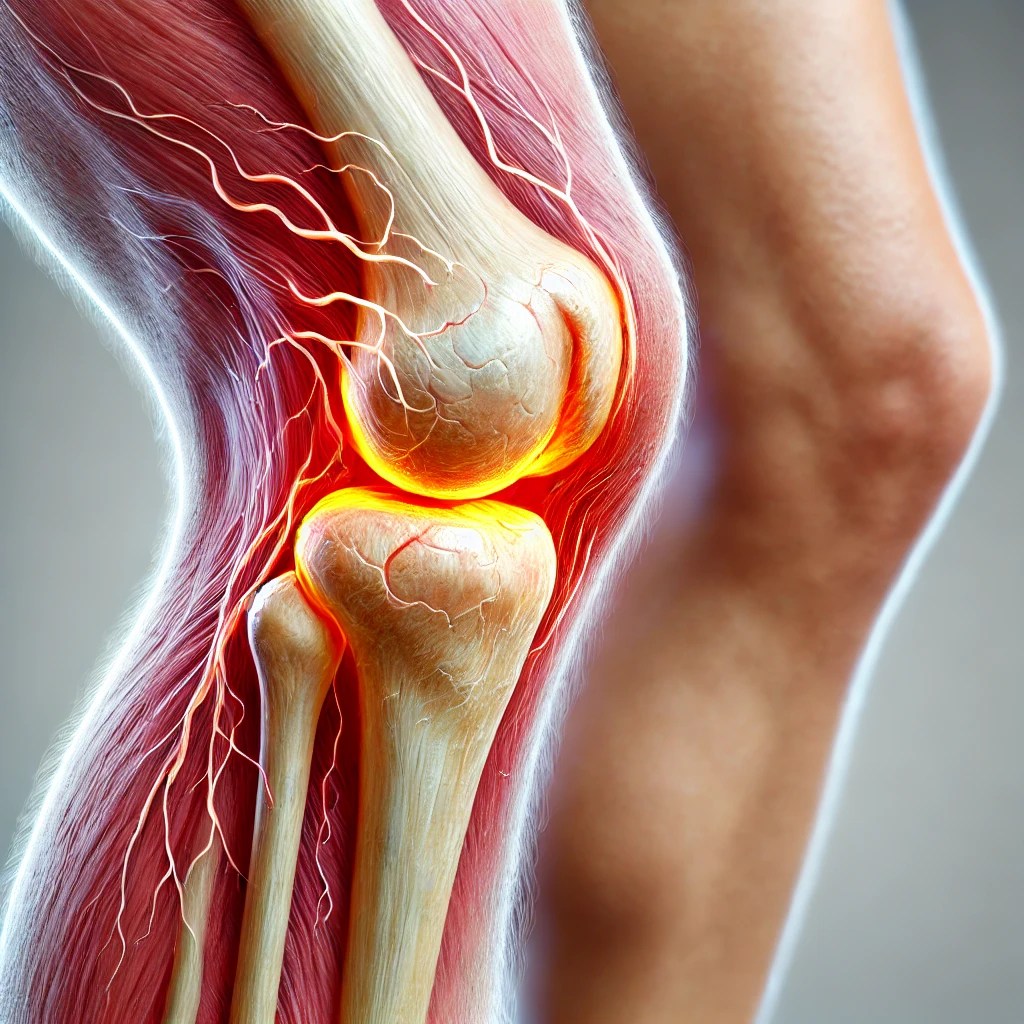
The Silent Trouble Maker
Inflammation is like that uninvited guest who shows up to the party and refuses to leave. In small doses, it’s actually a good thing—our body’s way of fighting off infections or healing injuries. But when it lingers, it becomes chronic, and that’s when the trouble starts.
Inflammation: The Fire Within
I’ve come to think of inflammation like the body’s internal smoke alarm. Acute inflammation—the kind that happens when you cut your finger or twist your ankle—is actually helpful. It rushes healing resources to the injury. That redness, swelling, and heat? That’s your amazing body doing exactly what it should.
But chronic inflammation? That’s like a smoke alarm that never shuts off, even when there’s no actual fire. Over time, this persistent inflammatory response can damage tissues and contribute to serious health problems—from heart disease to diabetes to arthritis (hello, my painful friend gout!).

How I’ve Found Balance
I’ve developed what I call my “anti-inflammation toolkit” that keeps me moving and grooving:
Mediterranean-style eating has become my default. Think colorful vegetables, fatty fish, olive oil, and nuts. The difference in how my joints feel is remarkable.
Daily movement is non-negotiable. Even on bad days, gentle stretching or a short walk helps circulation and reduces inflammation. I’m not winning any marathons, but I can keep up with my kids at the park, and that’s victory enough for me.
Sleep has become sacred. Those 7-8 hours of quality rest give my body time to repair and reset inflammation responses. My sleep tracking app has become my favorite technology.
Mindfulness practices help me manage stress. Ten minutes of morning meditation sets a calm tone that my body seems to appreciate.

A Work in Progress
Living with gout and tackling inflammation isn’t a one-and-done deal—it’s a journey. Some days, I nail my anti-inflammatory habits; other days, I slip up (hello, birthday treats). But I’ve learned to be kind to myself and keep moving forward.
By making these changes, I’ve had fewer gout flares, more energy, and a renewed sense of control over my health. Plus, I feel like I’m aging actively and vibrantly, which is what this blog is all about!
So, my friends, what’s your experience with inflammation? Got any tips or tricks that keep your body feeling cool, calm, and collected? Drop a comment below—I’d love to hear from you. Here’s to taming the flame and thriving at 50-plus!
With love and a cherry smoothie,
Jane
Useful Links:
 Live Life
Leave a comment