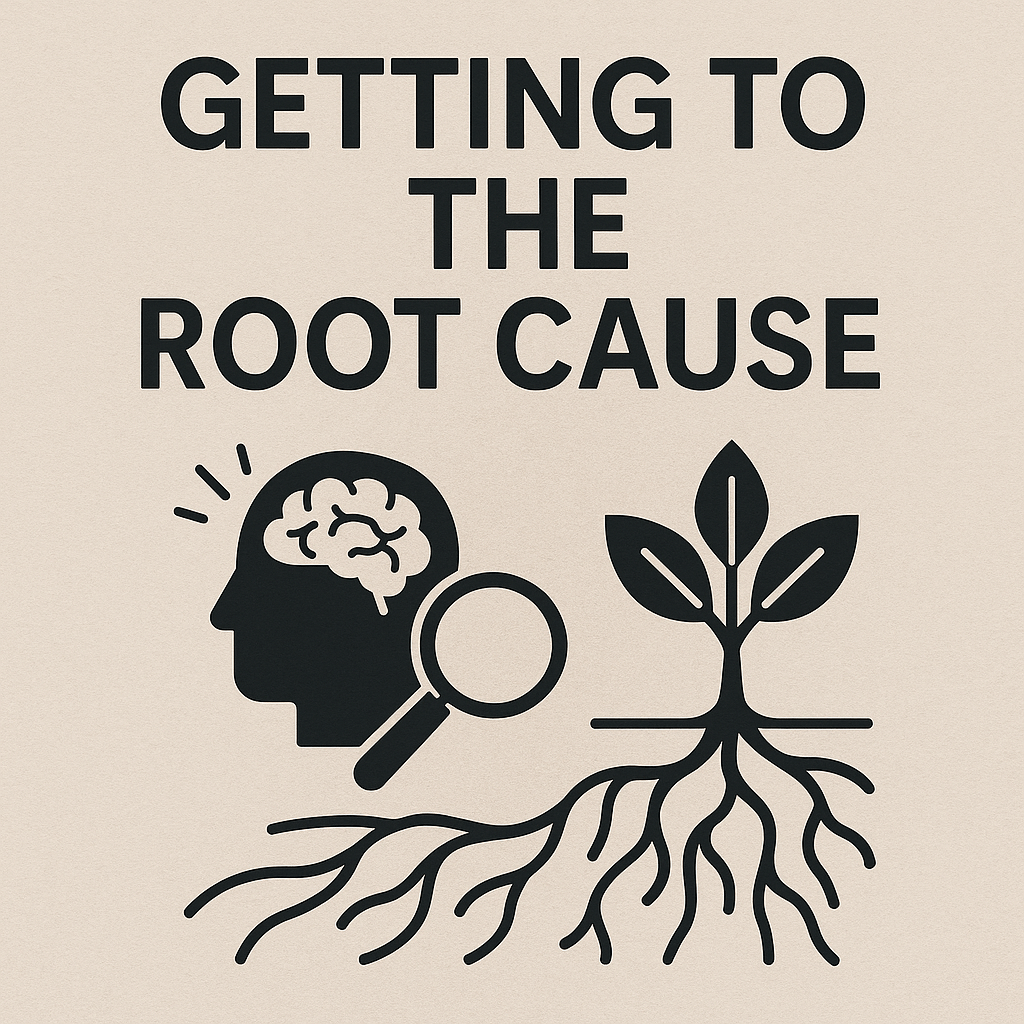
When Anxiety Becomes the Loudest Voice in the Room
There was a time when anxiety felt like a constant companion—uninvited, persistent, and loud. It didn’t whisper; it shouted. It didn’t ask; it hijacked. From the outside, I was composed. Inside? A whirlwind.
The first panic attack took me by surprise. I wasn’t in any obvious danger. I wasn’t being chased or trapped. Yet my heart raced, my palms sweated, and my breath shortened as if I were. Claustrophobia crept in too—elevators, tunnels, even crowded rooms began to feel like threats. And I couldn’t explain why.
At that time, I was in the middle of a fast-paced, demanding career. Success didn’t shield me from the shadows inside. It magnified them.

The Illusion of Quick Fixes (And Why I Walked Away From Them)
I remember being offered a prescription. And while I don’t judge anyone who goes that route, something inside me hesitated. Popping a pill felt like putting duct tape on a cracked foundation. I didn’t want temporary silence. I wanted understanding.
Instead of reaching for medication or tea remedies, I did something else—I opened a book.
It was gifted to me by a dear friend: Many Lives, Many Masters by Dr. Brian Weiss. I can still remember sitting with it, page after page, stunned by the idea that our subconscious minds are not just passive vaults—but powerful maps filled with unprocessed emotions, memories, and patterns that influence our present.
That book was the breadcrumb that led me to hypnotherapy.

The First Hypnotherapy Session: From Skeptic to Student
Before my first hypnotherapy session, my therapist asked me to watch a video about how the subconscious mind works. I’ll be honest – I was skeptical. But watching that video was like getting a user manual for my own brain that I’d never known existed.
The video explained how our subconscious mind, buried deep in the recesses of our consciousness, stores every experience, every emotion, every trauma – even the ones we think we’ve forgotten. It operates like a super-computer, influencing our thoughts, behaviors, and physical responses without us even realizing it.
Suddenly, I understood why repeating affirmations or taking calming breaths never got to the root. Because the root wasn’t in the logical mind—it was buried much deeper.The session wasn’t dramatic. I wasn’t “put under” like in the movies. Instead, I was gently guided inward.
I cried. Then I slept like a baby that night, for the first time in weeks. It wasn’t an overnight fix, but it was a turning point. I started to feel lighter, more resilient, and better equipped to handle the pressures of work and daily life.
Over Time: Healing in Layers
Since then, I’ve worked with several hypnotherapists. Each one brought a unique method, but the core journey remained the same—peeling back layers to find the original wound.
One therapist focused on regression therapy. Another emphasized reprogramming limiting beliefs. Some sessions were light, others confronting. But with every experience, I felt closer to clarity.
This wasn’t about “fixing” myself. It was about understanding myself. And from that place, healing happened naturally.

Where I Am Now: Expanding the Toolbox
These days, I’m no longer in crisis. But I haven’t stopped the inner work.
I recently spent time at a tranquil retreat in Yentu, where I was introduced to beginner’s chanting. It was simple—repeating ancient phrases with intention. But wow, it did something. It calmed my nervous system in ways I can’t explain. Now, chanting has become a quiet ritual in my mornings. Just a few minutes—but it anchors my day.
And when I am next in Bangkok, I plan to explore sound therapy—a new modality I’m excited about. Tibetan singing bowls, vibrational gongs, frequencies that bypass the thinking mind and go straight to the energetic body.
This is still a work in progress, and I’ll be sharing more about it here on the blog soon. Because healing isn’t linear, but it is worth it.
Why I Share This
Because maybe you’re in a similar place.
Maybe you’ve tried the affirmations, the books, the breathing—but the panic still finds you. Maybe, like me, you’ve asked yourself: Why does this keep happening?
Here’s what I want you to know: the symptom isn’t the enemy. It’s a messenger. And when we stop silencing the message and start listening, we can finally begin to heal—not just manage.
Embracing the Journey to True Healing
As I reflect on this journey from surface-level fixes to root-cause healing, I’m filled with gratitude for every step along the way – even the difficult ones. Those anxiety attacks that terrified me? They were actually my body’s way of getting my attention, forcing me to stop ignoring the deeper issues that needed addressing.
The recurring stress symptoms, the mental health challenges – they were all messengers trying to guide me toward true healing. By learning to listen to these messages and address their root causes rather than just managing their symptoms, I’ve found a level of peace and vitality I never knew was possible.
Your journey might look different from mine, and that’s perfectly okay. The important thing is that you start listening to what your body and mind are trying to tell you. Stop settling for band-aid solutions when you deserve true healing. You’re worth the time, effort, and investment it takes to get to the root of things.
Remember, we’re not just aging – we’re actively aging, consciously choosing to grow, heal, and thrive with each passing year. And sometimes, that means going deeper than we’ve ever gone before.
FAQs
Is hypnotherapy safe?
Yes, when conducted by a certified professional, hypnotherapy is a safe and often highly effective tool for exploring subconscious patterns.
Will I be unconscious during hypnotherapy?
No. You’ll be in a relaxed, focused state—aware, but calm. Many describe it as similar to meditation.
How many sessions does it take to feel better?
It varies, but many people report shifts even after one session. Lasting change often takes several sessions.
What if I uncover something painful during hypnotherapy?
Trained hypnotherapists are equipped to guide you safely through difficult emotions with care and support.
How does chanting help with anxiety?
Chanting helps regulate breath, focus the mind, and create calming vibrations in the body—activating the parasympathetic nervous system.
What is sound therapy and how does it work?
Sound therapy uses vibration and frequency to balance energy, reduce stress, and promote deep relaxation. Tools include singing bowls, tuning forks, and gongs.
A Gentle Invitation
If anything in this story resonates with you, I invite you to start asking different questions. Don’t just ask what’s wrong with me—ask what’s asking to be healed within me?
And when you’re ready, try the deeper path. It’s quieter, gentler—and oh, so much more powerful.
Affiliate Disclosure: Some of the links in this post may be affiliate links. If you click an affiliate link and make a purchase, I may receive a small commission at no extra cost to you. Affiliate links help support this website.
 Live Life
Leave a comment