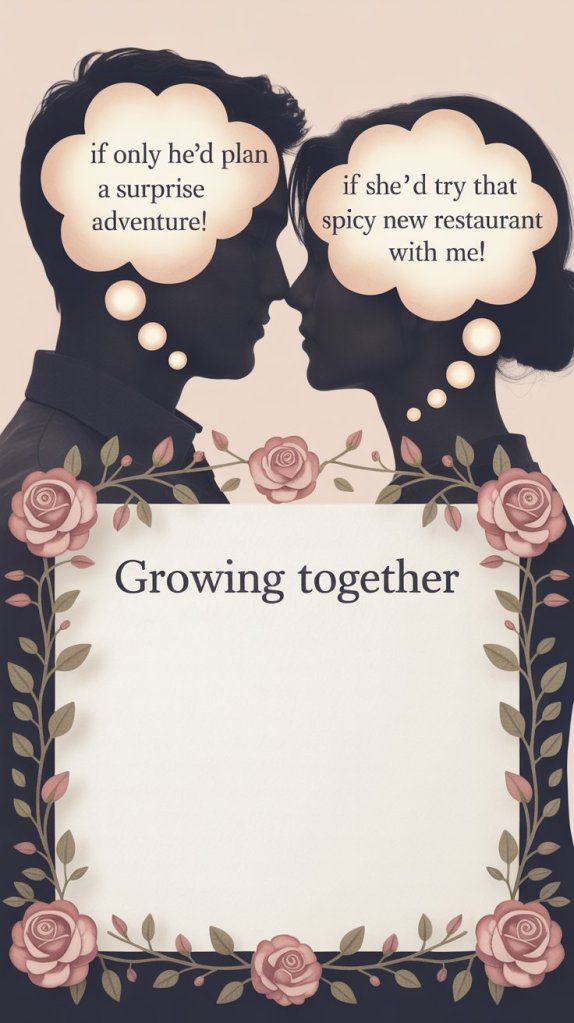
The Illusion of “Fixer-Upper” Love
Raise your hand if this sounds familiar: You meet someone wonderful—charismatic, kind, and just different enough to intrigue you. But soon, little quirks start to itch. Maybe they pile ketchup on everything while you’re a clean-eating enthusiast, or they never take a vacation while you believe in savoring life’s pauses. Suddenly, you catch yourself thinking, If only they’d…
I’ve been there. In my last relationship, our differences were stark: I thrive on avocado toast; he considered cold pizza a balanced breakfast. I scheduled downtime like it was sacred; he wore “I’ll sleep when I’m dead” as a badge of honor. At first, it was easy to frame my habits as “healthier” or “more balanced”—as if my way was the right way, and his was a project waiting for my guidance.
But here’s what time (and a few quiet resentments) taught me: Love isn’t a nutrition plan or a productivity hack. It’s the messy art of sharing a life—and sometimes a fridge—with someone who nourishes and challenges you in unexpected ways.
I’ve been there. More times than I’d like to admit, with a few romantic misadventures under my belt (and a divorce certificate filed neatly in my “life lessons” folder), I’ve learned this: Love that begins with a renovation plan is doomed to become a tear-down project.

The DNA of Disagreement
We’re wired to seek compatibility, but somewhere along the way, “compatibility” gets confused with “clone-ability.” Early in relationships—romantic, familial, even friendships—we often mistake love for a permission slip to remodel another person’s essence.
Recently, I ended an eight-year relationship—ironically, the healthiest one I’ve ever had. Maybe it’s because I was older (and hopefully wiser) when it began, but there was something fundamentally different this time: neither of us expected the other to change.
No frustrated sighs over mismatched habits, no secret wishlists for personality tweaks—just two people showing up as they were. Even when life’s circumstances (work demands, in our case) eventually pulled us apart, we said goodbye with love and respect, not resentment. No blame, no “if only you’d tried harder.”
There was no explosion — only evolution.
So as I step into this next chapter—single again —I’m carrying that lesson forward. No more romantic renovation projects. Just open hands, ready to hold someone as they are.
Science backs this up: A 2020 study in the Journal of Personality and Social Psychology found that partners who accepted each other’s inherent traits (even annoying ones) reported greater long-term satisfaction than those who held out for change.
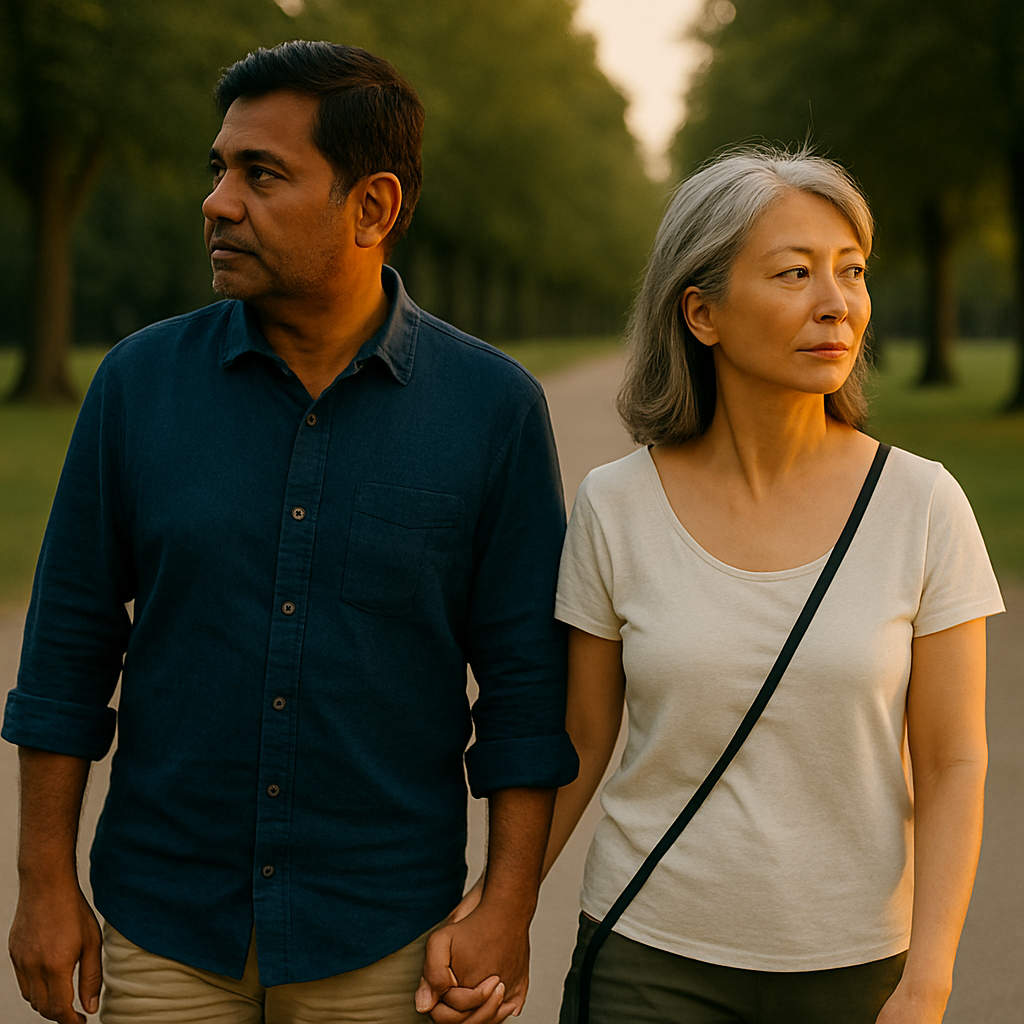
We’re Not Here to Be Clones
Over the years, I’ve seen so many couples fall into the same trap: trying to “improve” each other under the guise of love.
- “If only he were more spontaneous.”
- “If she just exercised more.”
- “Why can’t they be more like me?”
But here’s the truth: we’re not here to be carbon copies of each other. We fall in love not because someone is the same as us — but because they bring something different into our lives.
That difference is not a flaw to fix — it’s a gift to embrace.
The Secret Ingredient in Lasting Relationships
I’ve seen it in longtime couples too — those who still giggle at each other’s jokes after 30 years. They’re not together because they’re the same. They’re together because they stopped trying to win and started learning how to weave.
They dance with the differences.
And that dance? It’s what builds real intimacy.
How Acceptance Changes the Way You Love (and Leave)
Reflecting on this breakup, here’s what I learned that may resonate with you too:
- Acceptance brings clarity. When you accept someone, you’re not waiting for the day they “finally get it.” You already know what’s possible — and what’s not.
- It removes resentment. You’re not keeping score or building silent frustrations. You’re allowing.
- You leave with dignity. When things end, you don’t feel like you failed. You feel like you loved with intention.
Does Acceptance Mean Settling?
Let’s clear this up right now: Absolutely not.
Acceptance isn’t settling. It’s seeing clearly. It’s choosing peace over performance. It’s recognizing that compatibility isn’t cloning — it’s complementing.
If someone disrespects your values, boundary-crosses, or refuses to grow, that’s not acceptance — that’s avoidance.
But if someone’s just wired differently, and you can still build something rich and kind and reciprocal? That’s growth.
Here’s What I Want You to Remember
Whether you’re in a new relationship, ending one, or just reflecting:
- Start with who they are, not who you wish they’d become.
- Ask: “Can I love them without editing them?”
- Ask: “Can they love me the same way?”
Because when both of you answer yes, even the ending of a relationship can feel like a new beginning — a deep breath instead of a heartbreak.
And that, dear reader, is the power of acceptance.
Would Love Your Thoughts
Have you ever had a relationship where acceptance made all the difference? Or perhaps a breakup that felt more like a peaceful transition than a war?
Let’s chat in the comments. Your stories matter — and we all learn from each other.
 Live Life
Leave a comment