
My Journey with Dryness and Finding the Right Solutions
I’m all about embracing this vibrant stage of life. We’re redefining what 50+ looks like—we’re traveling, we’re learning, we’re staying fit.
We often lavish attention on our faces—those serums, masks, and SPF routines are practically rituals by now—but let’s be honest, our body skin sometimes gets the short end of the stick.
As we age, the dryness that creeps in doesn’t just stop at our cheeks; it’s on our arms, legs, and everywhere in between. Today, I’m diving into why our body skin gets so parched, how it shows up, and what we can do to keep it soft and supple.
Plus, I’m sharing my three favorite moisturizers—two of which I stumbled upon by chance—and why I’m loving clinical brands over beauty counter hype. Let’s give our body the love it deserves!
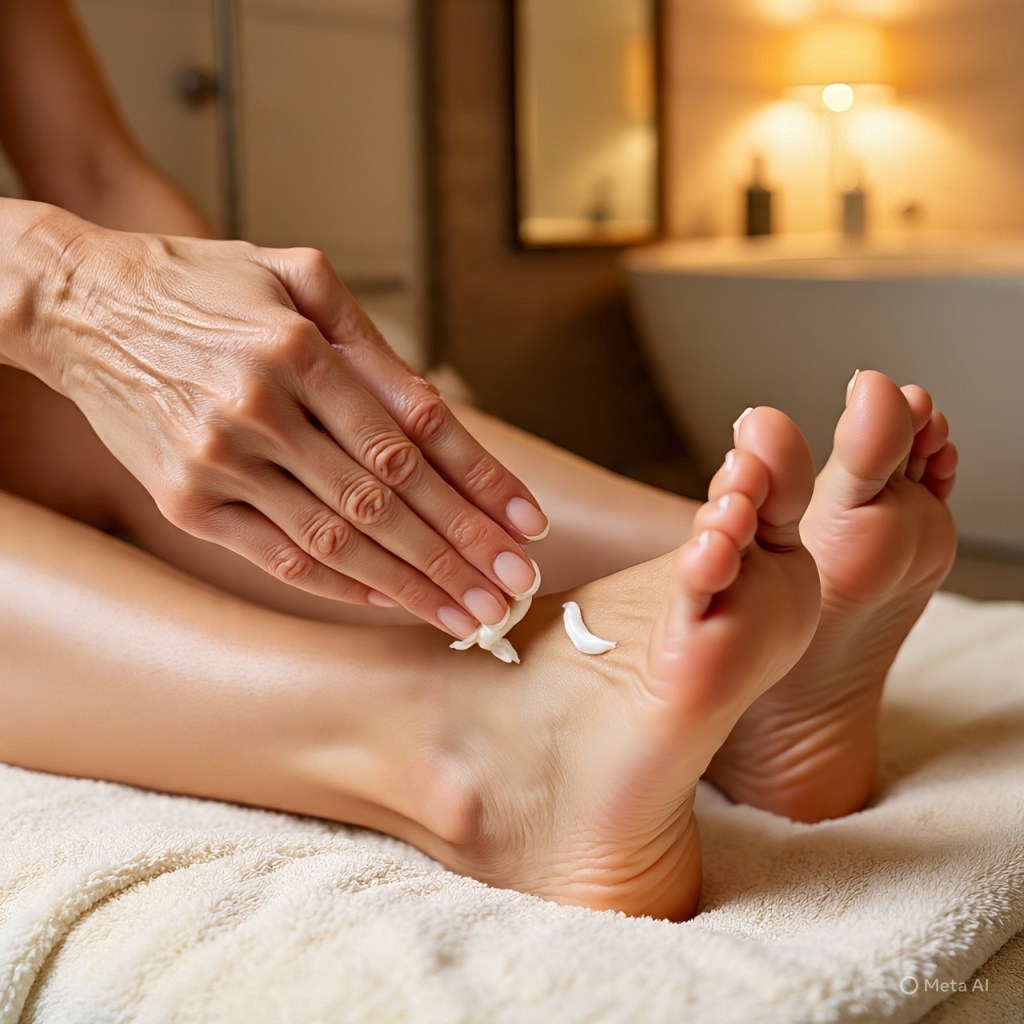
Where Does Dryness Show Up?
This moisture deficit isn’t confined to one area; it’s a full-body experience.
On our faces, dry skin makes those fine lines and wrinkles appear deeper and more pronounced. Our complexions can look less radiant, often taking on a dull, lackluster appearance.
But for many of us, the real battleground is the body. The legs, arms, elbows, and feet become especially dry. You might experience persistent itching, sometimes referred to as “senile xerosis” or “winter itch,” which can be incredibly frustrating. The skin can feel fragile and may even develop tiny cracks or appear scaly, like cracked porcelain.
My Moisturizer Journey: From Beauty Counters to Clinical Brands
I’ve tried dozens of moisturizers—luxury brands, drugstore staples, and everything in between. Some worked okay, others were just glorified perfume. But over time, I’ve shifted toward clinical, pharmacy-grade brands—the kind you find in hospitals or recommended by dermatologists. Why? Because they’re effective, reasonably priced, and free from unnecessary frills.
Two of my current favorites were actually found at the pharmacy shop in a hospital. These clinical brands might not have fancy packaging, but they are priced fairly and, most importantly, they work. The third moisturizer I use is a gentle, fragrance-free cream that hydrates without feeling greasy. I find myself reaching for these more and more, appreciating their effectiveness and simplicity over the glitz of beauty brands. Here’s the trio I’m loving:
- Esemtan Skin Lotion (Schülke Group) : I discovered this gem at a hospital pharmacy while waiting for a check-up. It’s a dermatologically tested lotion designed for dry and sensitive skin, with jojoba oil and beeswax to hydrate without leaving a greasy film. I slather it on my arms and legs after a shower, and it soaks in fast, leaving my skin soft and smooth. It’s perfect for daily use and even helps with irritation, which is a win for my fussy skin.
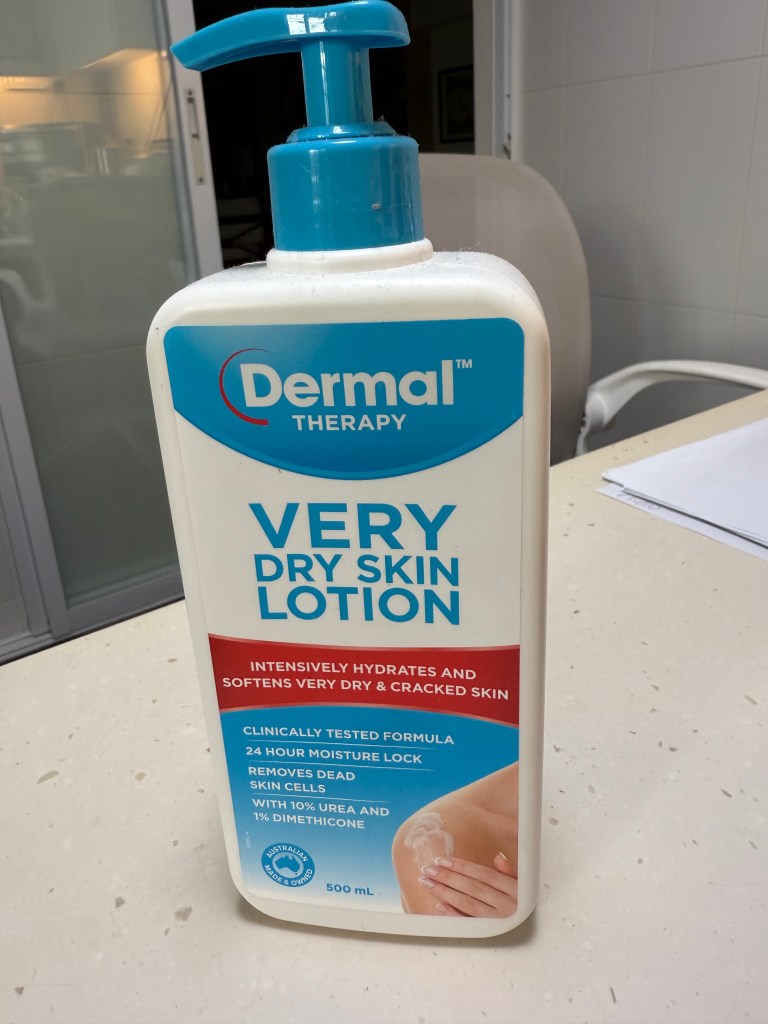
- Dermal Therapy (Australia)Another pharmacy find, this Australian brand caught my eye during a travel stop. Their body lotions, especially the Very Dry Skin Cream, are packed with urea and glycerin, which pull moisture into the skin and lock it in. I use it on my heels and elbows, and it’s a lifesaver for those cracked, rough spots. It’s no-nonsense, effective, and proof that Aussies know a thing or two about skincare.
- Horse Oil (Japan): This one came as a complete surprise. I picked up a small bottle of horse oil cream by chance because I was curious—and maybe a little amused. But wow, it works! Horse oil is rich in essential fatty acids and closely resembles human sebum, making it highly absorbent and non-greasy. I now use it especially on areas that are stubbornly dry, like elbows and knees. It’s also great for minor irritations or chapped skin.
I am increasingly gravitating toward these more clinical or pharma brands. They aren’t flashy, but they are effective and priced fairly. They focus on function over fragrance and contain robust ingredients like ceramides, hyaluronic acid, and glycerin, which truly lock in moisture and soothe the skin.
If you are a reader from a different part of the world and can’t find these exact brands, I highly recommend exploring similar clinical or pharmacy brands in your area. Look for products designed for dry or sensitive skin. They often offer superior effectiveness for aging skin compared to purely cosmetic products.
What Works: Managing Dry Skin as We Age
Here’s what has helped me—and what might help you, too:
- Gentle Cleansing: Use mild, fragrance-free cleansers. Avoid hot water, which strips natural oils.
- Moisturize Regularly: Apply moisturizer right after bathing, while skin is still damp, to lock in moisture.
- Choose Clinical Brands: Don’t overlook pharmacy or hospital brands. They’re often formulated for sensitive, aging skin and are budget-friendly.
- Hydrate from Within: Drink plenty of water and include healthy fats (like avocado and olive oil) in your diet.
- Protect Your Skin: Wear sunscreen daily, even on cloudy days, and cover up in harsh weather.
- Humidify Your Home: Especially in dry climates or during winter, a humidifier can make a big difference.
- Be Consistent: The key is regular, gentle care—no need for complicated routines.
Embracing the Journey
Learning to work with my changing skin rather than against it has been part of a larger journey of accepting and embracing aging. There’s something empowering about understanding what my body needs and being able to provide it effectively and affordably.
The beauty industry would have us believe that aging skin is a problem to be solved, but I’ve come to see it as simply another phase of life that requires different care. Just as I’ve adjusted my exercise routine and dietary choices over the years, adapting my skincare routine feels natural and necessary.
If you’re dealing with increasing skin dryness, I’d encourage you to explore beyond the beauty aisles. Talk to pharmacists, consult with dermatologists, and don’t be afraid to try products that might not come in the prettiest packaging. Your skin—and your wallet—might thank you for it.
What’s your favorite way to care for your body skin? Have you tried any clinical or unique products that surprised you? Drop a comment below—I’d love to hear your tips! Let’s keep aging actively, one hydrated inch at a time.
Note: These are my personal experiences, but everyone’s skin is different. Always patch-test new products and consult a dermatologist if you’re unsure what’s right for you.
Affiliate Disclosure: Some of the links in this post may be affiliate links. If you click an affiliate link and make a purchase, I may receive a small commission at no extra cost to you. Affiliate links help support this website.
 Live Life
Leave a comment