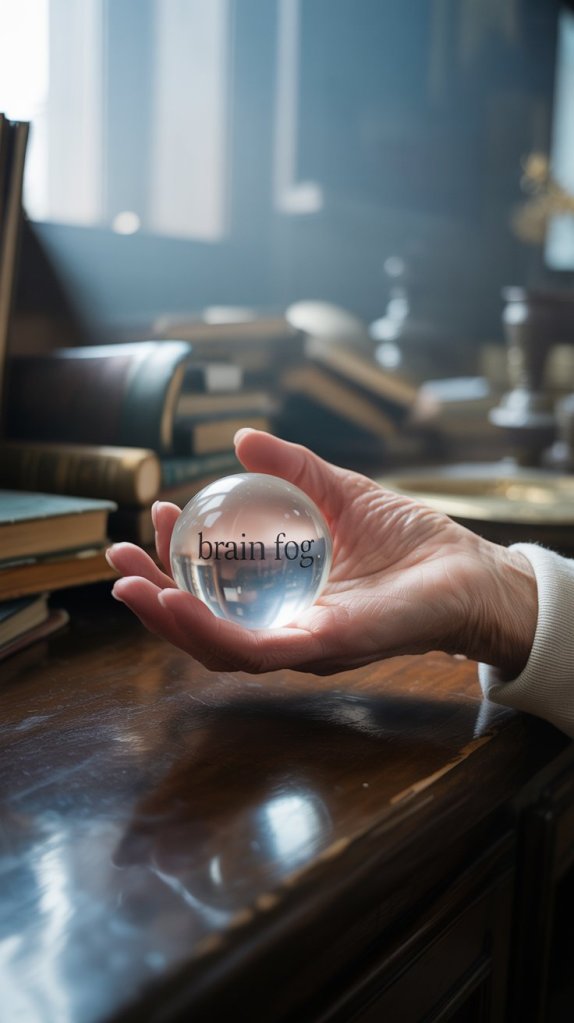
I’ve shared a lot about living life to the fullest – from keeping our minds sharp and our finances tidy to eating well and exploring new places. But lately, there’s a new topic that’s hit home for me, something that many of us over a certain age can probably relate to: memory recall. Oh, those frustrating moments when a name, a song, or even where you left your keys just… vanishes!
The Unspoken Truth: When Memory Starts Playing Hide-and-Seek
You know that feeling, right? It’s like your brain has decided to play a rather unfunny game of hide-and-seek with your memories. You’re trying to recall something, and it’s right there, on the tip of your tongue, but it just won’t come out. It’s not about forgetting everything, mind you, but those little “brain blips” can be incredibly annoying, and sometimes, a little concerning.

Understanding Memory Blips in Active Aging
Just a couple of months ago, at a friend’s wedding dinner, I discovered I wasn’t the only one wrestling with this. As we sat around swapping stories, a conversation started about “those words you just can’t recall” or “that actor’s name you know, but can’t quite deliver.” We laughed, sighed, and collectively accepted it as part of growing older.
Someone gently advised me, “Try not googling when you forget—let your brain do its thing and see if the memory floats back.” At first, it felt counterintuitive. I’m used to reaching for my phone at the first sign of a mental blank.
My Personal Experiment: Befriending Forgetfulness (Without Google!)
After that illuminating wedding dinner, I decided to become my own little memory experimenter. The “no Google” rule became my first challenge, and it really opened my eyes.
Why Patience Matters in Memory Recall
It was tough at first, I’ll admit. My fingers practically twitched for my phone whenever a name or fact escaped me. But I forced myself to resist. Instead, I’d try to relax, maybe think about something else for a moment, and let my brain do its thing. And you know what? More often than not, after 30 minutes, sometimes an hour, sometimes even longer, the forgotten detail would just pop into my head. It felt like a small victory every single time.
How Google Could Be Weakening Your Memory
I think there’s something to be said for letting your brain work a little harder. When we immediately reach for Google, we’re essentially outsourcing our memory. By giving our brains the time and space to retrieve information on their own, we’re actually strengthening those neural pathways. It’s like a mental workout, and just like any muscle, the more you use it, the stronger it gets. Plus, the satisfaction of retrieving that memory yourself is way better than just having an algorithm spit it out.
Embracing New Habits: My Toolkit for a Sharper Mind
Beyond the “no Google” rule, I’ve also integrated a couple of new practices into my daily routine that I believe are making a real difference.

Meditation: Clearing the Mental Clutter
I’ve started allocating a few minutes each day to meditation. Before, I always thought meditation was for super-spiritual gurus or people with endless free time. But even just 10-15 minutes of quiet, focused breathing can be incredibly powerful. It helps calm my mind, reduce stress (which, by the way, is a huge memory saboteur!), and I feel like it just generally makes my brain a more organized and efficient place. It’s like decluttering your mental attic!
Ginkgo Nuts: A Natural Memory Booster
Another thing I’ve started doing is upping my intake of gingko nuts. Now, I’m not a doctor or a scientist, but I’ve read a lot about their potential benefits for cognitive function and memory. I started buying this local beancurd dessert, which has a generous ginkgo nut topping, three times a week, and I will look into adding a handful to my morning oatmeal or having them as a snack..
They have a unique taste, but I’ve grown to enjoy them, and whether it’s placebo or not, I feel like my memory recall has been a little quicker, a little less elusive, since I started. Of course, always chat with your doctor before adding new supplements to your diet, especially if you’re on any medications.
Beyond My Experience: Other Ways to Support Your Memory
While my personal journey has been revealing, it’s just a slice of the pie when it comes to supporting our memory as we age. There are so many other fantastic ways to keep our brains humming along.
Nourishing Your Brain from the Inside Out
What we eat plays a massive role in our overall health, and our brain is no exception. Think of your brain as a high-performance engine; it needs the right fuel!

The Mediterranean Diet: A Brain-Boosting Solution
You’ve probably heard about the Mediterranean diet countless times, and for good reason. It’s not just great for your heart; it’s brilliant for your brain too. Rich in fruits, vegetables, whole grains, healthy fats (like olive oil and avocados), and lean proteins (especially fish), it provides all the nutrients your brain craves. Think of it as a feast for your neurons!
Hydration: Don’t Forget to Drink Up!
It sounds so simple, right? But being even slightly dehydrated can impact your cognitive function, including memory. Keep a water bottle handy and sip throughout the day. Your brain will thank you for it!
The Role of Physical and Mental Activity in Memory
Our brains thrive on challenges and new experiences. Just like our bodies, if we don’t use it, we lose it!
Lifelong Learning: Never Stop Exploring
Learning a new skill, whether it’s a language, playing an instrument, or even just mastering a new recipe, creates new neural pathways and keeps your brain agile. I’ve been dabbling with various AI image generators, and it’s been a wonderful way to challenge myself and see the world through a new lens. It’s never too late to be a student!
Social Connections: Fueling Your Brain
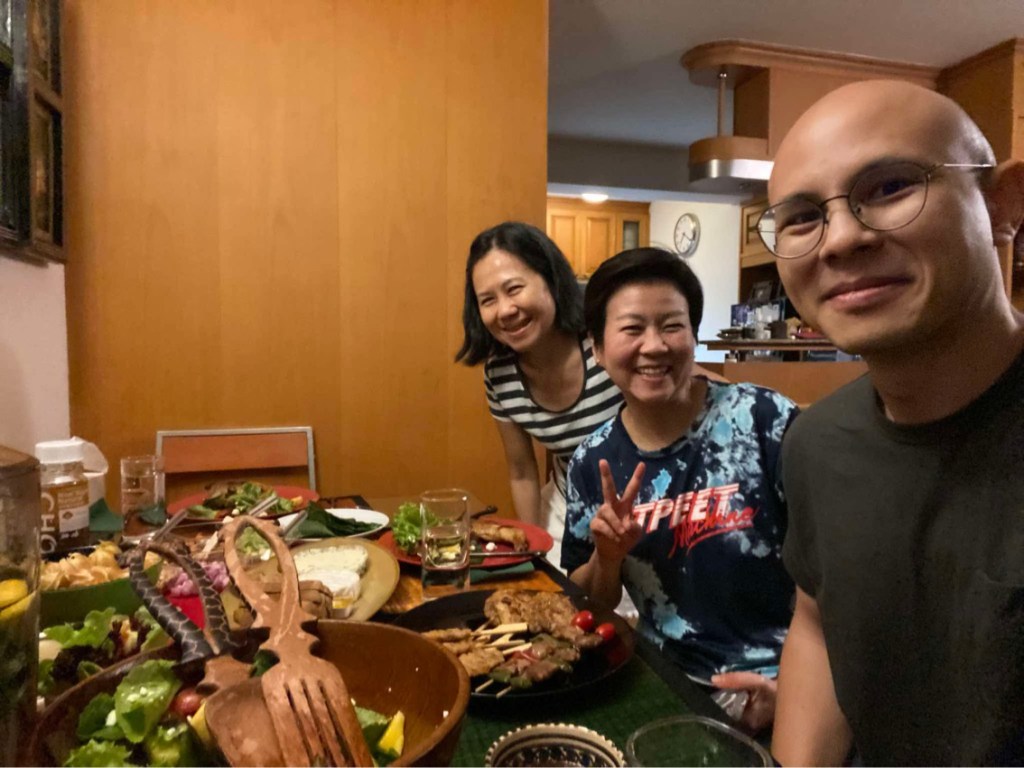
Spending time with friends and family, engaging in lively conversations, and participating in group activities are fantastic for your brain. Social interaction stimulates various parts of your brain, from memory to problem-solving to emotional regulation. Plus, it’s just plain good for the soul! Those wedding dinner conversations, despite highlighting my memory woes, were actually a great brain boost.
Physical Activity: Moving Your Way to Better Memory
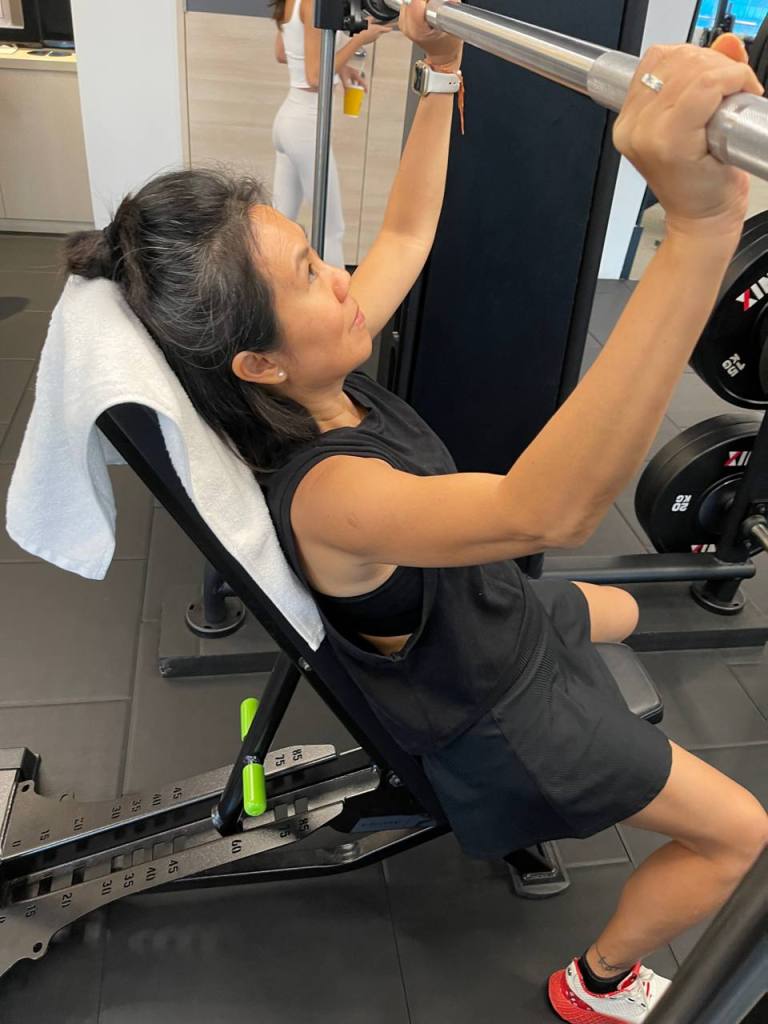
You might think exercise is just for your muscles, but it’s a powerhouse for your brain too.
Exercise: More Than Just for Your Muscles
Regular physical activity increases blood flow to the brain, which delivers vital oxygen and nutrients. It also promotes the growth of new brain cells and helps reduce the risk of conditions that can lead to memory loss, like heart disease and diabetes. Even a brisk walk for 30 minutes a few times a week can make a huge difference.
My Takeaway: Aging Gracefully, Memory and All
So, what have I learned from my adventures with memory and active aging? First, that those little memory blips are often a normal, albeit sometimes annoying, part of getting older. Second, that we have more control than we think over how our brains age. And third, that patience and a willingness to try new things can make a huge difference.
A Gentle Reminder: You’re Not Alone
If you’re reading this and nodding along, rest assured, you’re not alone. Many of us are navigating these same waters. It’s okay to forget things sometimes. What’s important is how we respond to it – with frustration or with a proactive spirit?
Embracing the Journey
For me, it’s about embracing the journey of active aging, memory quirks and all. It’s about being kind to myself, understanding that my brain is still an amazing organ, and giving it the support it needs to thrive for many more years to come. So, next time you forget a name or a song, take a deep breath, resist the urge to Google, and see what magic your brain can do on its own!
Aging brings with it a unique set of changes, and memory is certainly one of them. While some memory slips are a normal part of getting older, adopting proactive strategies like meditation, incorporating brain-boosting foods, staying physically active, and engaging in lifelong learning can significantly support cognitive health.
My own journey has shown me the power of patience and the benefits of small, consistent habits in maintaining a sharper mind. Embrace the process, be kind to your brain, and remember that active aging is about thriving in every aspect of life.
Related Articles You Might Enjoy
 Live Life
Leave a comment