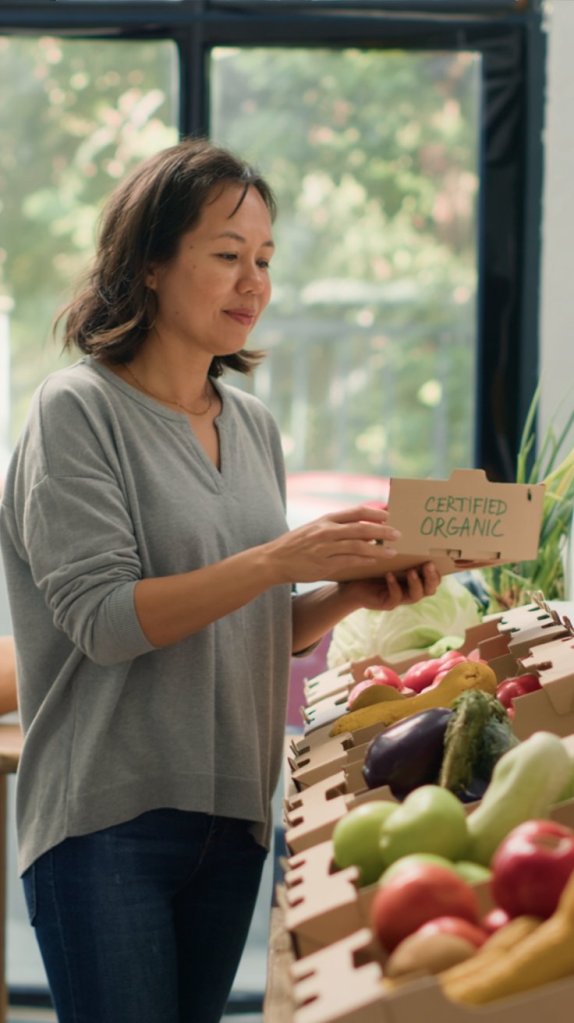
Today, I want to talk about something that’s been on my mind a lot lately: food. Specifically, not just what we eat, but where it comes from. As we get a little older, we start to realize that our bodies are a bit like a high-performance classic car – they need the right fuel to keep running smoothly.
For years, I’ve tried to eat healthy, enjoying my salmon and salads, and treating myself to the occasional slice of Black Forest cake (because, let’s be real, life is too short not to!). But lately, I’ve found myself getting increasingly concerned about what might be hiding in our food.
The Balancing Act: Health vs. Hidden Dangers
Like many of you, I’ve always been aware of the big nutritional concepts: more greens, less processed food, lean protein. I’ve even tried to be mindful of where my food comes from, opting for organic vegetables and free-range, grain-fed poultry and eggs whenever possible. It’s an investment, for sure, but one I’ve always felt was worth it for the peace of mind and the potential health benefits.
However, a new wave of worry has crept in. It’s the stuff we can’t see – the pollutants. I’ve been reading more and more about things like pesticides and herbicides on our fruits and vegetables, and the big one for me, mercury in fish. I love my salmon. It’s a staple in my diet for its omega-3s, and it’s delicious. But the thought of mercury accumulation has really started to make me question my choices.
This isn’t about panic, but about being proactive. We’ve all spent a lifetime building our health, and it would be a shame to unknowingly compromise it with what we eat. This is why I’ve come to believe that being mindful about our food is not just about counting calories or macros, but also about understanding the source.

Making Better Choices, One Meal at a Time
So, what’s a person to do? It’s easy to feel overwhelmed, but I’ve found that small, intentional changes can make a big difference.
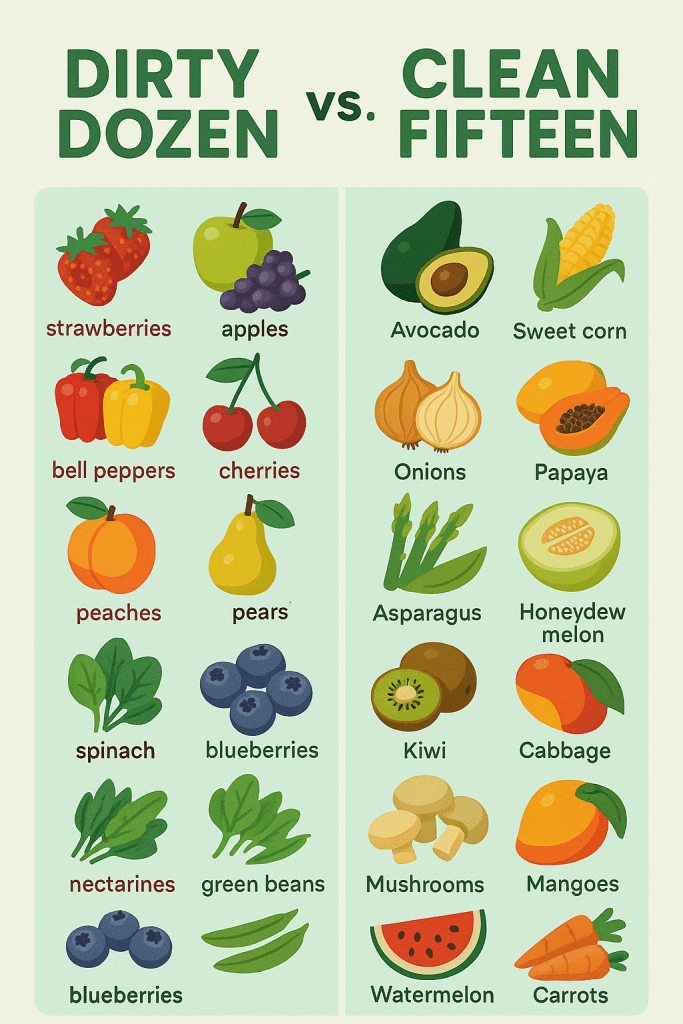
- Do Your Research: To make smarter budgeting decisions, I’m going to start using the Environmental Working Group’s Dirty Dozen and Clean Fifteen. This will guide my choices on which produce to splurge on and where to save. I still buy conventional produce sometimes, but I’m more aware of which items need a good scrub.
- Fish Wisely: My love affair with salmon isn’t over, but I’ve learned to be more discerning. I will now look for wild-caught salmon from specific regions known for lower mercury levels. I’ve also started rotating my protein sources more, incorporating more plant-based meals and other fish varieties like sardines and anchovies, which are generally lower in mercury. It’s a great way to still get those vital omega-3s without overdoing it on one type of fish.
- Support Local and Sustainable: In Bangkok, local farmers’ markets offer organic produce at reasonable prices. Back in Singapore, where most produce is imported, I’m now considering frozen options to save money and reduce food waste.
- Reading Labels Like a Pro Greenwashing vs. True Organic, “Natural” and “eco-friendly” are marketing fluff unless backed by certifications. I look for trusted seals like USDA Organic, EU Organic, or Thai Organic standards. Key Terms to Look For“Grass-fed,” “hormone-free,” “non-GMO,” “pasture-raised.” These aren’t just buzzwords—they signal fewer chemicals and more humane treatment (which matters to me).
Indulgence with Intention
This doesn’t mean I’m giving up my occasional slice of cake or a big, juicy burger. Indulgence is an important part of a happy life! But now, when I do indulge, I try to do it with intention.
Ultimately, my journey has taught me that active aging isn’t just about moving our bodies; it’s also about nourishing them from the inside out with care and consciousness.
It’s a journey, not a destination, and I’m learning every day. I hope this gives you some food for thought (pun intended!). What are your thoughts on this? How do you balance your food choices with these growing concerns? Let me know in the comments below!”
 Live Life
Leave a comment