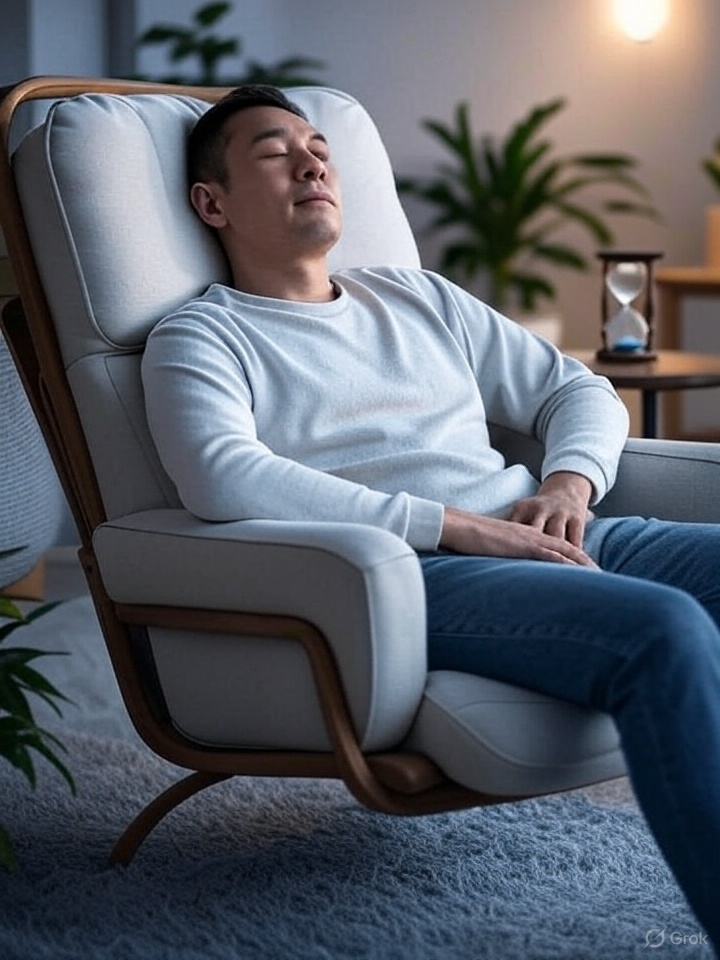
Hey there, lovely readers — if we were sitting across from each other with a cup of herbal tea, I’d be leaning in to tell you about my latest “active aging experiment”: the humble, glorious, post-lunch nap.
Yes — that 15–25 minute snooze after lunch that cultures around the world have been quietly mastering for centuries. And guess what? From the sun-soaked Spanish siesta to the Middle Eastern qailulah, the Chinese xiuxi rooted in Traditional Chinese Medicine (TCM), and even high-tech sleeping pods at companies like Google, napping is a global secret to thriving.
I’m excited to share my personal journey, the cultural roots of napping, and the science behind why a quick snooze might just be the ultimate power-up for us as we age.
Why Napping Caught My Attention
As a blogger and part-time trader, my days are a whirlwind of research, writing, and monitoring market trends. I’m often juggling content development/ideation for my blog while keeping an eye on stock charts, which can be mentally draining.
I started noticing that my afternoons were a struggle—my focus would dip, and I’d reach for coffee to power through. That’s when I stumbled across the concept of the post-meal nap. The idea of a short rest to recharge intrigued me, especially since it’s embraced by so many cultures and even tech giants.
Could a nap really help me stay sharp for both my creative writing and my trading decisions? I decided to find out.

A Global Tradition of Rest
Napping isn’t just a quirky habit—it’s a time-honored tradition in many parts of the world. Let’s take a quick tour:
The Spanish Siesta
In Spain, the siesta is a cultural staple, especially in warmer regions. Historically, this post-lunch nap (usually between 2 and 4 PM) allowed people to escape the midday heat and recharge. While modern schedules have made siestas less common in cities, they’re still cherished in rural areas. It’s not just about sleep—it’s a moment to pause, digest, and connect with loved ones.
The Middle Eastern Qailulah
In the Middle East, the qailulah is a similar practice, often taken after lunch to beat the heat. Rooted in both practicality and tradition, it’s even mentioned in Islamic teachings as a way to refresh the body and mind. For me, learning about qailulah was a reminder that rest is universal, transcending borders and climates.
China’s Xiuxi and TCM
In China, the xiuxi—a short rest after lunch—aligns with Traditional Chinese Medicine (TCM). I did some digging to verify this, and TCM indeed supports a brief rest post-meal to aid digestion and balance the body’s qi (energy flow). It’s less about deep sleep and more about giving your system a moment to process food and reset. This resonated with me as I focus on holistic health in my active aging journey.
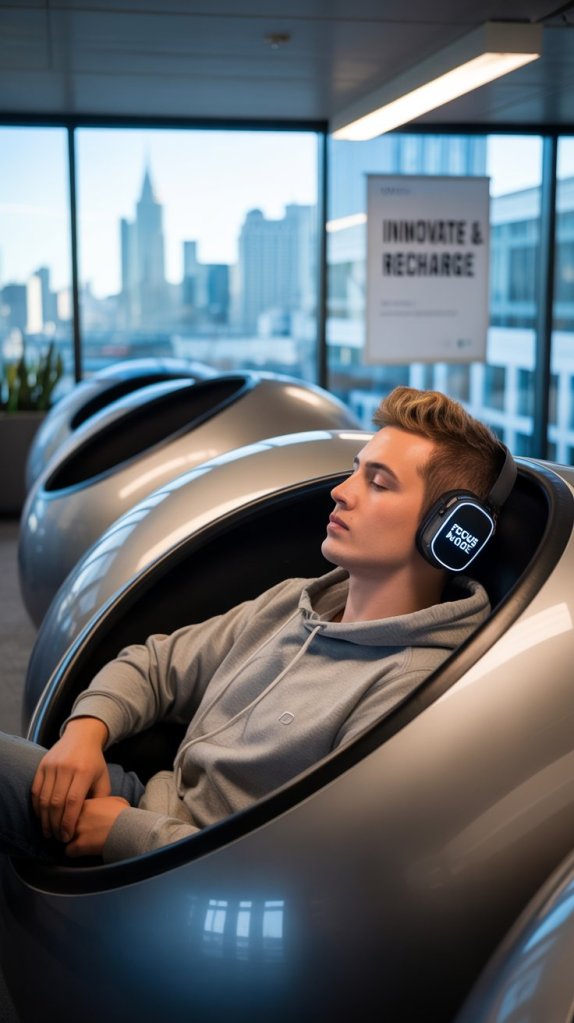
Tech Titans and Sleeping Pods
Even the tech world is on board! I confirmed that Google has introduced sleeping pods in some of its offices—futuristic capsules designed for 20-30 minute power naps. These pods help employees boost productivity and creativity, proving that rest isn’t just for relaxation—it’s a performance enhancer. As a trader, I can see why a quick nap could sharpen my focus before making a market move.
My Personal Nap Experiment 😴
For the longest time, I was a firm believer in pushing through the afternoon slump with a cup of coffee. But I’ve been trying something new, and I have to admit, it’s been an eye-opener. I’ve started taking a short, 20-30 minute nap after my lunch. I’m still in the investigation phase, and there are days when it works better than others, but I’m intrigued by the potential benefits.
The Merits I’m Exploring:
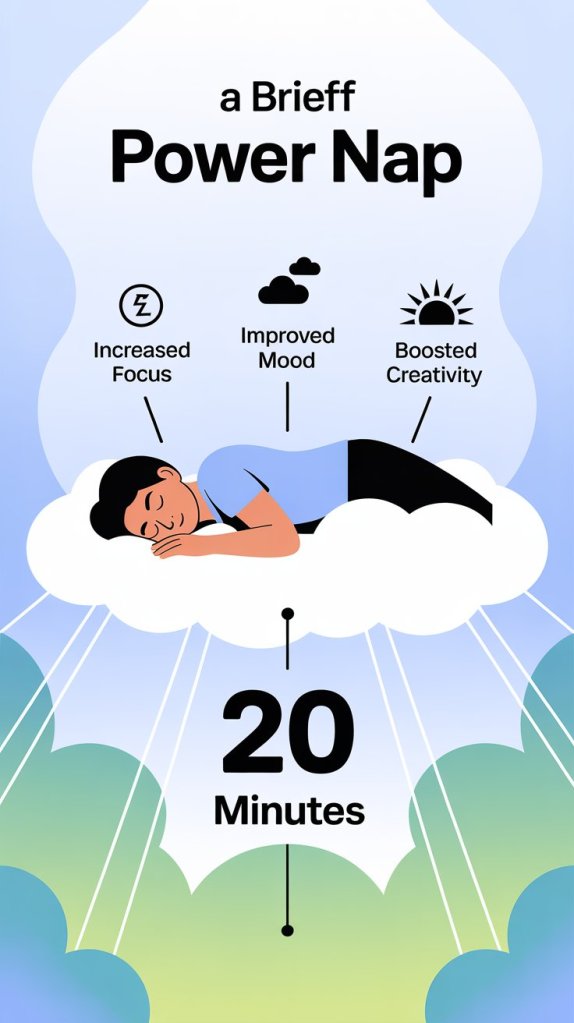
- Improved Mental Clarity: I’ve noticed that on the days I manage a nap, my brain feels less foggy in the late afternoon. I can focus better, and my decision-making feels sharper. It’s like a mental reset button.
- Enhanced Mood: The afternoon can be a source of stress. A quick nap helps me feel more relaxed and less irritable. It’s a small act of self-care that recharges my emotional battery.
- Boosted Creativity: When I wake up from a nap, I often feel a surge of new ideas and a different perspective on the tasks I’m working on. It’s as if the nap allows my subconscious mind to make new connections.
- Better Digestion: There’s a theory that resting after a meal helps your body focus on digestion, and I do feel less bloated and heavy on the days I nap.
I’m not going to lie, it’s not always easy to fit a nap into my schedule. And sometimes, I’m so excited about what I’m working on that I just can’t stop. But I’m committed to exploring this more. It’s about listening to your body and giving it what it needs, even if it goes against the “hustle culture” we’ve all been raised in.
The Fine Print
There’s a catch, though—timing and duration are key. Naps longer than 60 minutes or taken too late (after 3 PM) can disrupt nighttime sleep and cause grogginess (aka sleep inertia). Some studies also suggest long naps might be linked to health risks like weight gain or cardiovascular issues, though the data isn’t definitive. The sweet spot? A 20-30 minute nap before 1 PM.
My Napping Experiment:
Tips for Napping Like a Pro
If you’re intrigued, here’s how to make napping work for your active aging journey:
Keep It Short and Sweet
Aim for 20-30 minutes to avoid grogginess. A quick nap is all you need to recharge without derailing your day.
Time It Right
Nap early in the afternoon (before 2 PM) to align with your body’s natural energy dip and protect your nighttime sleep.
Create a Nap Oasis
Find a quiet, comfy spot. My sleep mask and blanket combo works wonders, but dim lighting or earbuds can help too.
Pair with Healthy Habits
Combine your nap with a balanced lunch to support digestion and energy. I’ve been loving light, nutrient-rich meals like fruits, salads with lean protein or soup.
Listen to Your Body
Not everyone’s a natural napper. Start with a 10-minute rest and adjust based on how you feel.
Final Thoughts: Is Napping the Key to Active Aging?
On days when I nap, I feel a burst of clarity and energy in the afternoon—perfect for tackling my blog posts or planning my next travel adventure. It’s like hitting a reset button on my brain.
I’ve also found that I’m less likely to reach for that second cup of coffee, which is a win for my jitter-free lifestyle. That said, I’ve had a couple of days where I felt groggy post-nap, likely because I let myself doze too long.
Lesson learned: stick to the 20-minute rule!I’m also intrigued by the digestive angle. In TCM and even in Ayurvedic practices (like India’s vamakukshi), napping after eating is thought to support digestion by giving your body a break to process food. I’ve noticed that on nap days, I feel less bloated after lunch, but I’m not sure if that’s the nap or just my focus on lighter, nutrient-rich meals.
I’m not ready to call napping a miracle cure, but it’s earning a spot in my active aging toolkit. There’s something empowering about embracing rest as a tool for vitality, especially when cultures around the world have been doing it for centuries.
From the Spanish siesta to the Middle Eastern qailulah to the TCM-inspired xiuxi, napping is a reminder that slowing down can actually help us go further. Even Google’s sleeping pods are a nod to the idea that rest fuels innovation.
As I continue this journey, I’m curious to hear from you! Have you tried napping after meals? Do you have a favorite way to recharge during the day? Drop a comment below, and let’s keep the conversation going.
Here’s to aging actively, resting wisely, and living vibrantly! Stay tuned for more tips on active aging, from nutrition hacks to travel adventures, right here on the blog!
 Live Life
Leave a comment