
From Sunrises to Stomach Flu
Eight days ago, I was watching the sunrise over Sumba’s pristine beaches, feeling on top of the world. I’d just wrapped up the most glorious back-to-back travel adventure — from the spicy delights of Chengdu to the ancient temples of Siem Reap, and finally to Indonesia’s hidden gem. I felt invincible, energized, and deeply grateful for this beautiful life I’m living.
Four days after returning home to Singapore, a nasty stomach flu knocked me flat on my back.
I’m writing this from my bed, still recovering, feeling decidedly less invincible. Between trips to the bathroom and sips of electrolyte water, I’ve had plenty of time to reflect on how quickly life can swing from euphoric highs to miserable lows. One moment you’re island-hopping and temple-exploring, the next you can barely keep down plain rice porridge.

Finding Gratitude in the Dip
But here’s the thing that struck me through the fog of fever and nausea: I’m grateful.
Grateful that this hit me here, on home turf, in my own bed, with easy access to healthcare, familiar food, and my own bathroom.
Grateful that I had those incredible travel experiences before this setback.
And grateful for the perspective this miserable virus is teaching me about life’s inevitable ups and downs.
The Myth of Smooth Sailing
Here’s what nobody tells you in your twenties: life isn’t a steady upward climb. It’s more like the stock market — full of peaks, valleys, and long stretches of “just okay.”
After two years of blogging about Active Aging, one truth stands out: the highs don’t last forever, and neither do the lows.
The Danger of Forgetting Calm Seas Don’t Last
When everything’s going well — when our health is solid, relationships stable, and finances steady — we often forget to prepare for the downturns. It’s like sailing on glassy water and assuming you’ll never need that life jacket tucked under your seat.
What Exactly Is an Emotional Emergency Fund?
Think of your financial emergency fund — three to six months of expenses you build slowly for a rainy day. You don’t touch it unless absolutely necessary.
Now imagine doing the same for your emotional wellbeing.
Your Inner Savings Account
An emotional emergency fund isn’t about pretending everything’s fine when it’s not. It’s about consciously building reserves of resilience, gratitude, connection, and perspective during the good times — so you have something to draw on when storms inevitably hit.
Why We Forget to Save for Emotional Rainy Days
The Complacency Trap
It’s human nature. When we’re in a good phase — maybe we’ve just travelled somewhere magical or finally found a rhythm in life — we think we’ve cracked the code. But just like markets, life is cyclical. You don’t empty your savings in a bull run, and you shouldn’t neglect your emotional reserves when life feels easy.
Understanding the Cyclical Nature of Everything
This truth hit home in my fifties. I had weathered a divorce in my thirties — rebuilt my life, rediscovered my independence, and eventually found joy in travel and writing. Life was good again. I felt unstoppable.
Then, in my early fifties, my father’s health declined rapidly. I chose to become his caregiver — a decision that reshaped my days and my understanding of what really matters.
Those years tested everything I thought I knew about strength and surrender. But they also became a masterclass in love, patience, and emotional preparedness. My father and I continued to have our robust debates — he loved a good argument and so did I — and in between, we shared quiet, honest moments.
I even recorded short videos of him giving his final messages to family and to his dearest friends — including one who had stood by him for over 50 years, a gem of a companion who was there not once but twice when my dad was given a second chance at life 17 years before he finally passed.
Through those conversations, I witnessed his transition — from the confident, sometimes slightly arrogant man who once believed he had life figured out, to someone deeply humble, aware that we truly never stop learning. Those were the talks that shaped me the most: unfiltered, loving, and profoundly human.
When he eventually passed away, I mourned, but I also celebrated the life he had lived — full of curiosity, courage, and color. There was sadness, of course, but no remorse. I had said all I needed to say, asked the questions that mattered, and shared the laughter that lingered. My emotional reserves didn’t take away the ache, but they gave me the steadiness to honor his memory with gratitude rather than grief.


Life’s Seasons Don’t Ask for Permission
That experience taught me one essential truth: life doesn’t wait for us to be ready. The cycles keep turning. Spring doesn’t ask if you’ve fully enjoyed summer before it slips into fall.
Accepting that truth — not just intellectually, but emotionally — changes everything. It softens the shock when things go sideways. It helps us build lives that are sustainable, not just exciting.
How to Build Your Emotional Emergency Fund
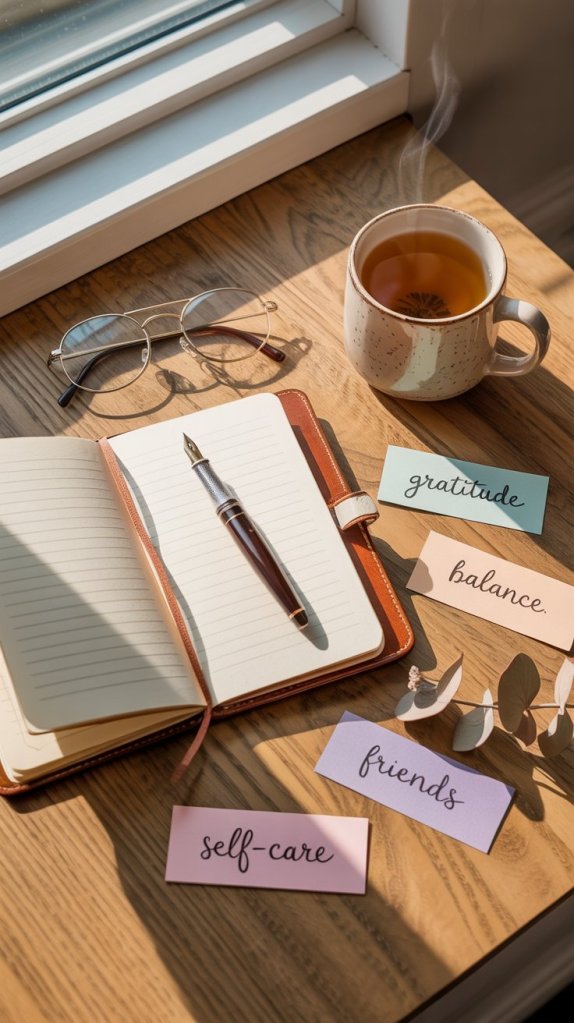
1. Practice Gratitude During the Good Times
Not as a routine or a hashtag, but as a way of being. I don’t keep a “joy jar,” but I do hold onto beautiful memories — moments with people I love, conversations that make me laugh, sights that take my breath away. When life feels heavy, I replay them in my mind like a private highlight reel. They remind me that I’ve known joy before, and I’ll know it again.
2. Nurture the Friendships That Truly Matter
Friendships need tending even in calm waters. Don’t wait for a crisis to reach out — nurture the ones that nourish your soul. The real gems are the friends who appear or quietly check in without your asking — those who sense your silence and reach out anyway.
Over time, I’ve learned to spend less energy on surface-level connections that only flow when life runs smoothly. They may fill your calendar, but not your heart. It’s the deeper, quieter friendships — the ones built on mutual care and presence — that become your true emotional anchors when storms arrive.
3. Keep Up the Habits That Ground You
Therapy, meditation, morning walks, writing — whatever steadies your mind, don’t abandon it just because you’re “fine.” These daily rituals are quiet deposits into your emotional reserves.
And while you’re at it, practise thankfulness. We often overlook how much convenience and comfort surround us — clean water, air-conditioning, the luxury of choice. Sometimes what we call a “bad day” is really a first-world problem in disguise. Taking a moment to acknowledge the small blessings helps us stay humble, grounded, and aware of how fortunate we really are.
4. Capture Your Reflections and Growth
When you go through something transformative — whether it’s caregiving, loss, or simply navigating life’s uncertainties — take time to reflect and record it. Writing, even in small doses, helps make sense of what your heart already knows.
For me, sharing my father’s final journey and the lessons from that chapter became a deeply healing process. It reminded me that growth isn’t about triumph; it’s about understanding, acceptance, and the quiet strength to keep showing up.
Now and then, I revisit what I’ve written — those stories of love, loss, and recovery — and they remind me: you’ve walked through difficult paths before, and you’ve grown from each one.
5. Accept Help and Build Reciprocity
Know who you can lean on — and practice asking for help before you need it. Connection is a two-way street. The emotional economy works best when giving and receiving flow freely.

The Reality Check We All Need
Let’s be honest: life will knock us down again. Not to be gloomy—just realistic. Our health will falter. People may disappoint us or leave our lives. Our finances could wobble. The world always throws curveballs.
Why Preparation Is Self-Compassion
But when you’ve built emotional reserves, these shocks don’t break you. They bruise, yes — but you bounce back faster. You recover not because you’re lucky, but because you’ve been quietly preparing all along.
The Long View: Building Sustainable Wellbeing
As I settle deeper into my fifties, I’m less interested in chasing euphoric highs and more focused on sustainable wellbeing. I want a life that weathers storms gracefully — one that doesn’t collapse with every gust of wind.
Moderation as a Superpower
That means valuing moderation, cherishing the “boring” good days, and realising that preparation isn’t pessimism — it’s wisdom.
Your life chart will rise and fall. That’s not a failure of planning or mindset. That’s simply being human.
So yes, keep your financial emergency fund topped up. But also keep investing in your emotional one. Save the joy. Archive the love. Nurture the resilience that future-you will need.
Because the storm will come — and when it does, you’ll be so grateful you prepared.
How do you build emotional resilience during good times? I’d love to hear your thoughts — share them in the comments below. We’re all learning together.
 Live Life
Leave a comment