
Let’s be honest. That quiet, gnawing question about retirement isn’t just about gold bars and endless holidays. It’s a profound, often unsettling equation: “Will my funds be adequate for a life that still feels… lively?” If you’ve felt that pinch, you’re not alone. I hear it from friends constantly. The cost creep is real, and it sends many of us looking at maps, wondering if a change of latitude could bring a change of attitude—and affordability.
My own map has two big pins on it: Singapore and Bangkok. I’ve been privileged to weave a career between the gleaming skyscrapers of various Asian hubs, and these two cities have become my anchors. Singapore, where I returned to be closer to family (my father, whose recent passing has reshaped the very texture of “home”). And Bangkok, the city of relentless energy, where I’ve chosen to spend a fair amount of my time. This dual existence isn’t just a lifestyle quirk; it’s become a live case study in the retirement affordability puzzle.
With rising costs and shrinking confidence in retirement adequacy, even those of us who planned well are rethinking our options. Friends have started asking: “Is Bangkok still livable—and affordable—for someone like us?”
So I decided to look deeper. Not just at familiar Thonglor, where I currently have an apartment, but further out—into places like Udom Suk—where genuine value still whispers possibility for the next chapter.
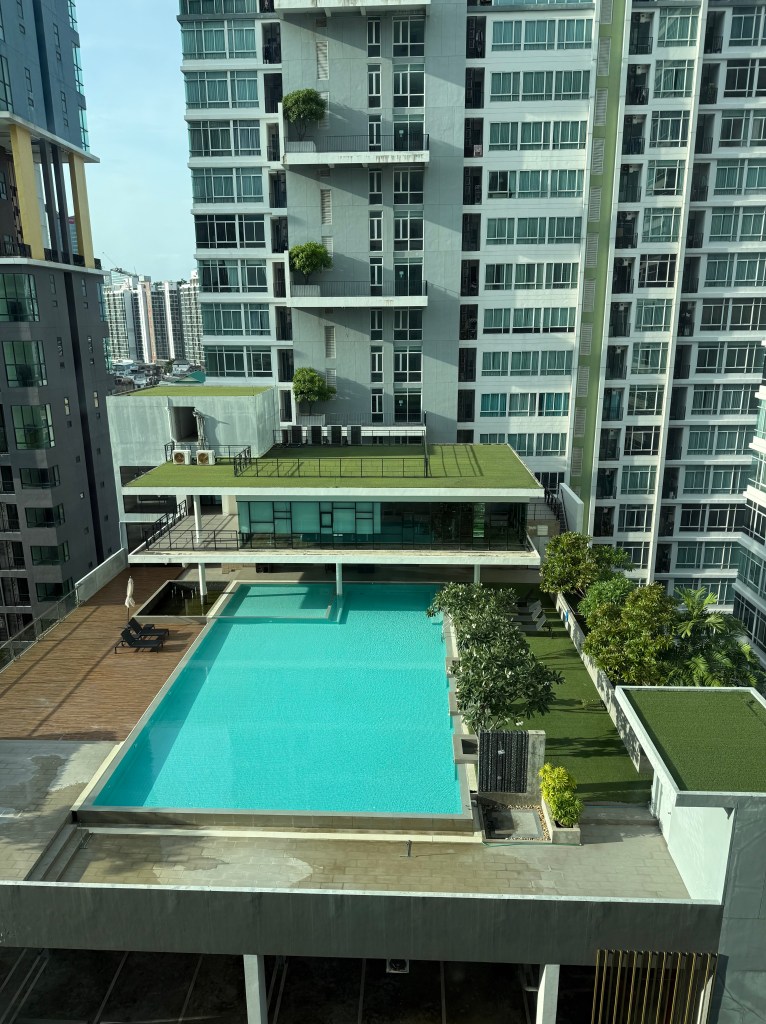
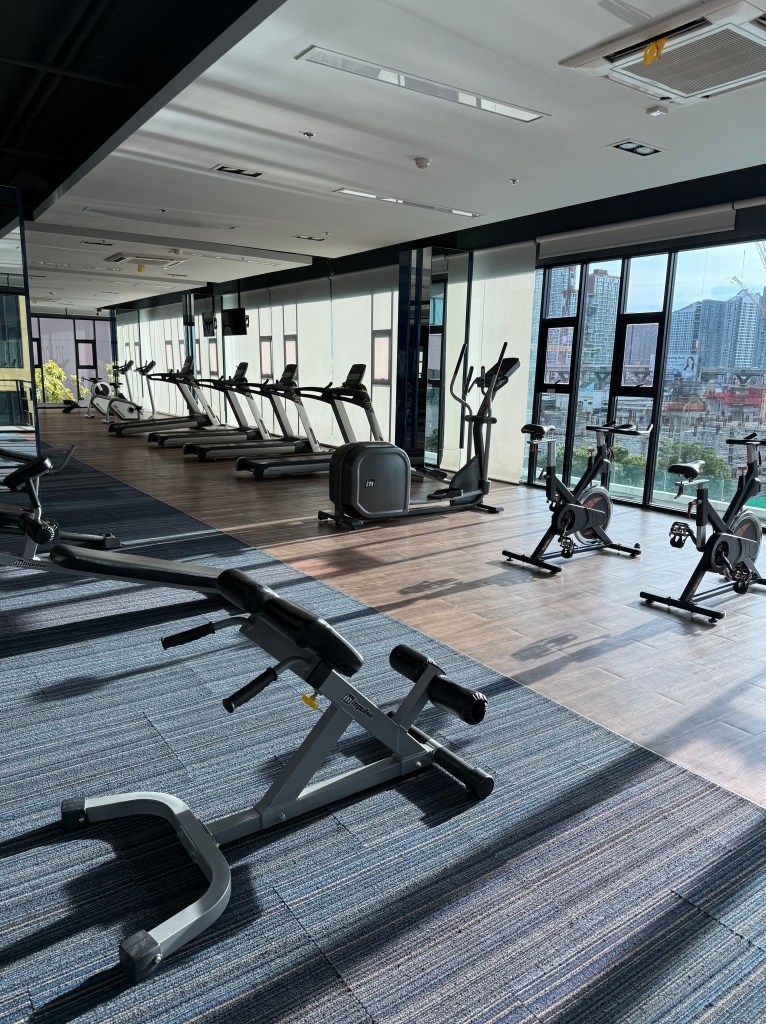
Udom Suk: Surprise Me With Space and Serenity
The Surprising Perks: Two Pools, Two Gyms, and a Community Vibe
This older condo boasted not one, but two swimming pools and two gyms! The gardens were mature, shaded by trees that had actually grown. I saw residents—a mix of Thai families, Japanese expats, and Western retirees—actually using the spaces.
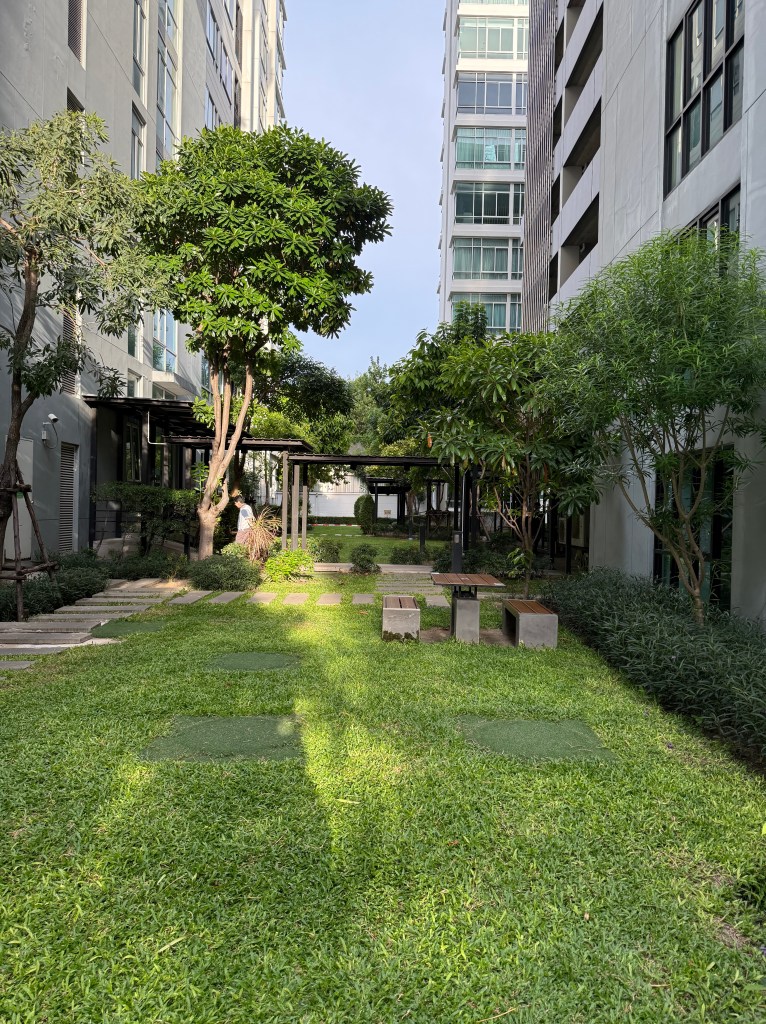
They were talking, laughing, living. It wasn’t a sterile showpiece; it was a community. The maintenance was good, not perfect. You could see where tiles had been replaced, where the paint was a slightly different shade. It felt honest.
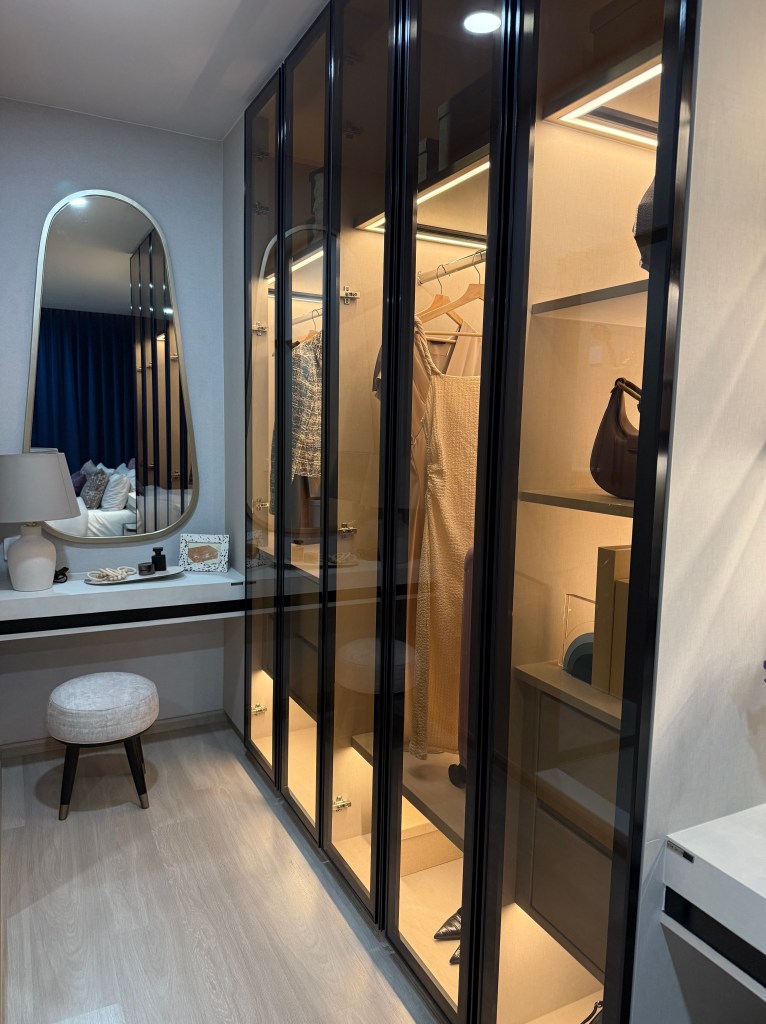
The New Development by AP Thailand: A Glimpse into Modern Comfort
Just down the road was the show flat for a new project by AP Thailand, a reputable developer. Stepping in was like entering a different world. The finishes were sleek—European kitchen fixtures, smart home wiring, floor-to-ceiling windows. The design was minimalist, promising a life of clutter-free elegance. The show flat felt like the future.
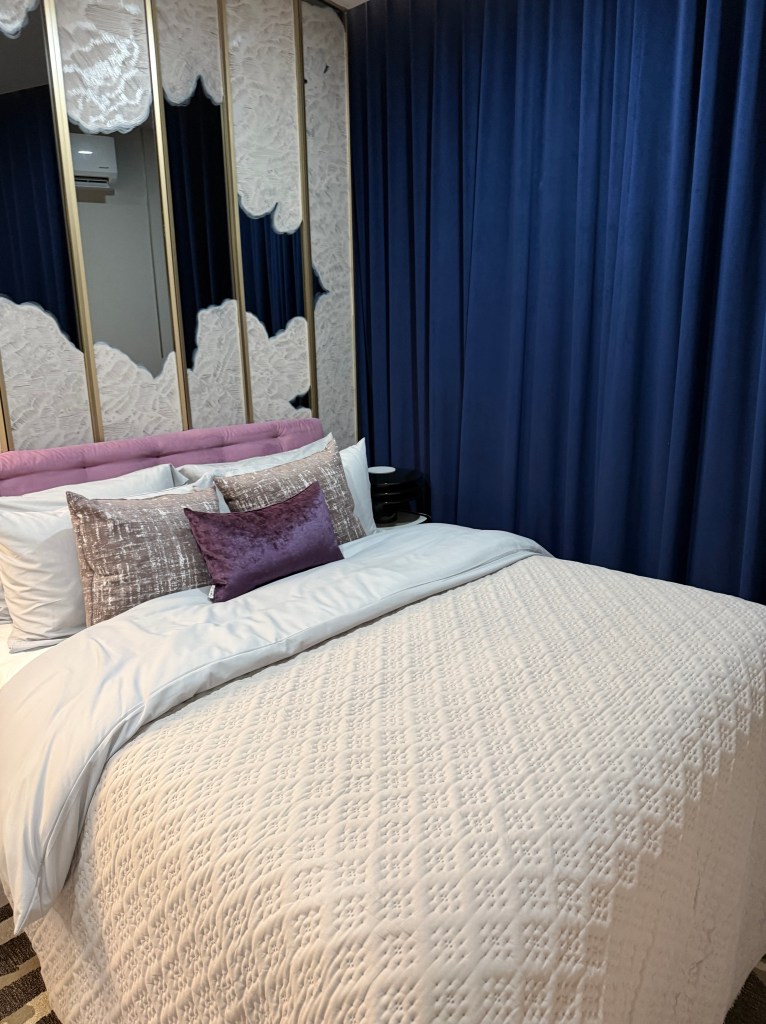
The Show Flat Allure and the Price of “New”
This promise comes at a premium. For a similar one-bedroom layout, perhaps with a slightly better view or a more desirable floor, prices started around USD 131,000 (THB 4.6 million) and went upwards. You’re paying for that “first owner” feeling, the warranty, the pristine condition. It’s seductive. It whispers of ease and new beginnings. But it lacks the settled greenery and the palpable sense of community of the older building. It’s a promise, not a proven reality.
Both options felt realistic—not fantasy, not compromise.
The Nuts, Bolts, and Baht: The Real Cost of Buying in Bangkok
The listing price is just the opening act. Buying a condo in Thailand as a foreigner (you can own the unit, but not the land it sits on, in most cases) involves a clear, staged process with associated fees. Let’s demystify it.
Stage 1: The Reservation and Deposit – Securing Your Slice
You like a unit? You’ll place a reservation fee, typically THB 50,000-100,000. This takes it off the market. Within a week or two, you sign the preliminary agreement and pay a deposit, usually 10% of the purchase price (minus the reservation fee). This is where you need your due diligence—or a good, independent lawyer.
Stage 2: The Sales Contract and Down Payment – Making it Official
Next is signing the formal Sales and Purchase Agreement (SPA). For a new build, payments follow a construction schedule. For a resale condo, you’ll often pay another chunk (bringing the total to maybe 25-30%) upon signing the SPA, with the balance due at transfer.
Stage 3: The Transfer at the Land Office – The Final Hurdle
This is the big day. The seller, buyer, and possibly agents and lawyers meet at the Land Department. The remaining balance (usually 70% or so) is paid, and the unit is legally transferred into your name.
A Breakdown of Closing Costs: It’s More Than Just the Price Tag
Here’s what many forget to budget for, roughly totaling 5-7% of the property value:
- Transfer Fee: 2% of the official assessed value.
- Stamp Duty: 0.5% of the registered value or sales price, whichever is higher.
- Specific Business Tax (SBT): 3.3% if the seller owns the property for less than 5 years. (Often negotiated to be split or covered by the seller).
- Withholding Tax: 1% of the assessed value for individuals. This is complicated; your lawyer will calculate.
- Sinking Fund & Common Area Fees: The building will charge a one-time sinking fund (for major repairs, THB 300-800 per sqm) and prepaid common fees (for maintenance, usually THB 40-80 per sqm per month).
- Legal & Agent Fees: If you use a lawyer (highly recommended), budget 1-1.5%. Agent fees (usually 3-5%) are typically paid by the seller.
The Foreigner’s Golden Ticket: The FET Form
This is the non-negotiable step for any non-Thai purchasing property. You must transfer the full purchase price from overseas into a Thai bank. If the amount is over $50,000 USD, the bank will issue a Foreign Exchange Transaction Form (FET Form). This paper trail is mandatory for legally registering your freehold ownership at the Land Department.
Tip: Always hire an independent lawyer—costs ~30,000–50,000 THB—but it’s worth every baht.

Finding Your Own Balance
Retirement isn’t a destination you arrive at; it’s a series of choices you keep making. The USD 103K condo versus the USD 131K new development isn’t just about money—it’s about whether you value newness or character, warranty peace-of-mind or established community.
What I’ve learned living between cities is this: home isn’t always where you thought it would be. Sometimes it’s where your morning routine feels right, where the barista knows your order, where you’ve built something that matters to you—even if it’s thousands of miles from where you started.
Bangkok offers genuine value for retirees willing to embrace something different. The costs are manageable, the lifestyle can be rich, and the city has an energy that keeps you engaged rather than warehoused.
But it requires honesty about what you’re gaining and what you’re leaving behind. Talk to people who’ve done it. Visit for extended periods, not just holidays. Test the healthcare system. Sit in traffic. Experience a full Thai summer.
Then decide with your eyes wide open—because the best retirement isn’t the cheapest or the most exotic. It’s the one that fits who you actually are and how you want to spend your time.
And maybe, just maybe, that’s in a one-bedroom condo in Udom Suk with two swimming pools, a solid BTS connection, and a really good som tam vendor around the corner.
 Live Life
Leave a comment