Two gifts I’ll never forget — and what they taught me about the rare, beautiful skill of paying attention.
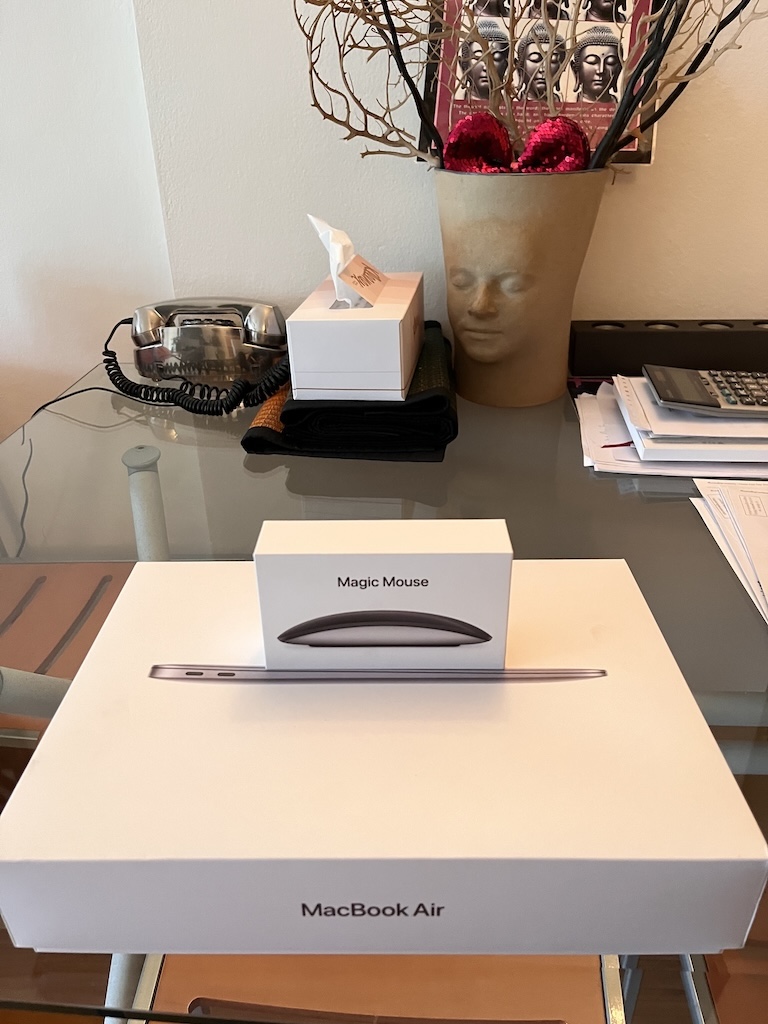
When a MacBook is more than a laptop
Let me tell you about a MacBook Air that launched a blog.
I was between jobs. That particular flavour of limbo that anyone who’s been through a career transition knows well — the kind where you’re simultaneously deeply introspective and desperately productive. My old MacBook was limping along, constantly out of storage, wheezing through basic tasks. It wasn’t dramatic. It was just quietly, persistently in the way.
A dear friend noticed. He didn’t wait for my birthday. He didn’t wrap it in “treat yourself” energy or make a big announcement. He simply said something I’ve never forgotten: “I’d rather help someone who has a real need for something important.” And just like that, a MacBook Air appeared in my life.
That MacBook didn’t just help me through a rough patch. It gave me the tools to launch Ageisano. This very blog. You’re reading the downstream effect of a friend who was paying attention.
“The best gifts aren’t the most expensive ones. They’re the ones that prove someone was listening when you weren’t even asking.”
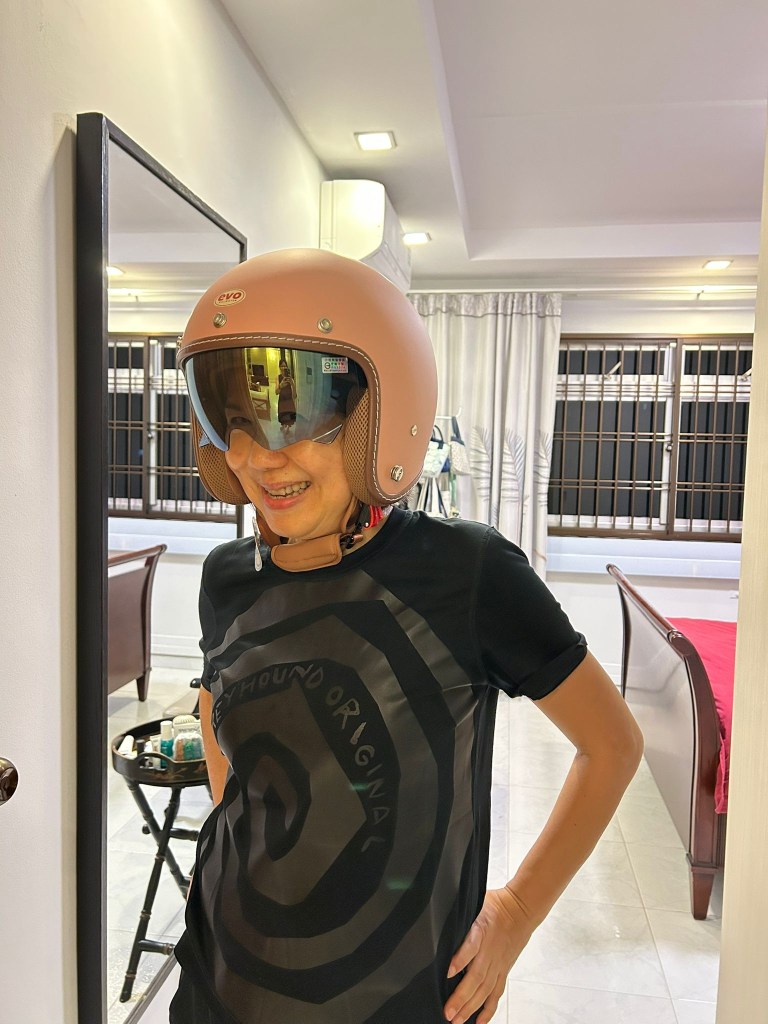
The groovy helmet: a lesson in sustained observation
Then there’s the helmet.
If you follow this blog, you know that Bangkok is very much a motorcycle taxi city. Grab bikes are fast, convenient, and — on longer rides especially — the kind of thing that makes your travel insurance policy sweat. I never had my own helmet. And motorbike taxi drivers in Bangkok don’t always come with a spare — so let’s just say I was leaving a lot to the universe.
A close friend was planning a leisure trip to Taiwan. Before she left, she asked me a simple question: would I like a helmet for my birthday? An advance gift — by more than six months, as it turned out, though I was absolutely not complaining. She knew about the Bangkok motorbike situation. She had a feel for what kind of shop might carry something I’d actually want to wear — cool, not generic. She built it into her trip itinerary.
She found exactly that: a groovy little helmet shop in a neighbourhood she was already curious to explore. She picked up a helmet and hand-carried it back to Singapore for me.
A helmet. Hand-carried across international borders. For someone else’s birthday. Six months early.
Some people send a WhatsApp. She hand-carried a helmet across borders. You do the maths.
“It was more than a gift. It was a quiet observation.”

The hidden ROI: restoring capacity and safety
When we talk about the art of giving, we often get caught up in the aesthetics of the object. We want it to look good under the wrapping paper. But the two gifts that changed my perspective didn’t just look good — they functioned as life-upgrades that solved specific, draining frictions.
A computer that is constantly out of capacity is a special kind of mental tax — the spinning rainbow wheel that interrupts a flow of thought, the constant deleting of files just to save a new one. When you’re in-between and trying to reinvent yourself, you already feel like your own internal capacity is stretched thin. By stepping in with that MacBook, my friend wasn’t just giving me hardware. He was clearing the digital noise that was holding me back. He restored my capacity to create. Without that gift, the friction of an ageing machine might have been the very thing that kept Ageisano as a “someday” project instead of a reality.
In a city like Bangkok, we often normalise risk. We tell ourselves that a ten-minute ride on a Grab bike is “fine” without a helmet because it’s convenient. But that convenience comes with a heavy, subconscious weight — the “what if” that sits in the back of your mind every time the driver weaves through a narrow gap in traffic. My friend’s gift was an act of foresight. She looked at my daily life and saw a vulnerability I had stopped seeing myself. She didn’t just give me an accessory; she gave me the permission to move through the city with a sense of security I didn’t realise I was missing.
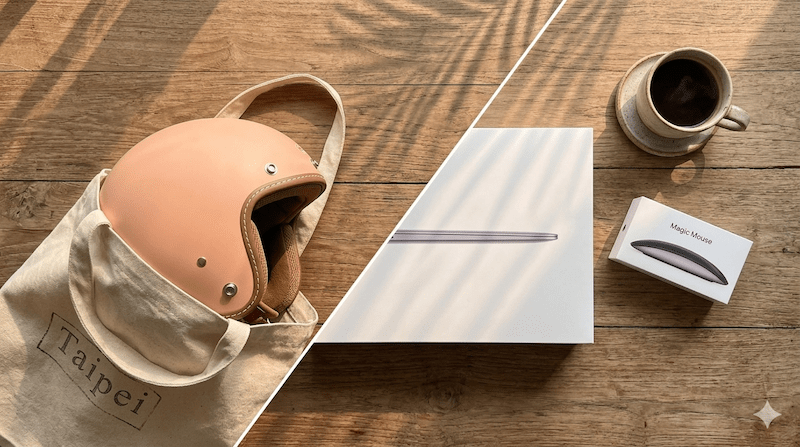
The MacBook restored my professional agency. The helmet restored my physical peace of mind. Neither was about the price tag — they were about identifying where my life was leaking energy or safety, and plugging the hole. That is the ultimate art of giving: recognising that a gift is most powerful when it acts as a tool, a shield, or a bridge to the person’s next chapter.
The problem with most gifting
Here’s the uncomfortable truth about how most of us give gifts: we give what we like, not what the other person needs. We wander into a store (or more often, scroll through a website at 11pm the night before) and pick something that appeals to our own taste. A candle we’d want. A book we loved. A gadget that excited us.
It’s not malicious. It’s just lazy — and it’s also, quietly, a little self-referential. The gift says more about the giver’s aesthetic than the recipient’s life.
The antidote isn’t spending more money. It’s spending more attention.
Both of my most treasured gifts were, at their core, acts of sustained observation. One friend knew I was in a difficult professional moment and identified the tool that would help most. The other knew my lifestyle in another city well enough to think: she hops on motorbike taxis as a passenger and doesn’t have her own helmet — what a problem I could actually solve.
Neither of them consulted a gift guide. They consulted their memory of me.
The case for the advance gift
There’s something else worth celebrating here: both gifts arrived completely untethered from an arbitrary calendar date. The MacBook came when it was needed. The helmet came from Taiwan when the opportunity presented itself — six months before my birthday.
We’ve somehow convinced ourselves that gifting is only valid on specific dates. Birthdays. Anniversaries. Christmas. But some of the most meaningful things we can do for people happen in the in-between moments — when we spot something perfect and act on it, rather than filing it away in a mental note we’ll probably lose.
The advance gift is underrated. When something is right, it’s right. The birthday will arrive eventually. The gift doesn’t have to wait.
5 questions to ask before your next gift
- What problem does this person actually have? Not what they’d enjoy in the abstract — what’s a genuine friction in their daily life that you could smooth out?
2. Am I giving this because they’d love it, or because I would? Be honest. There’s a difference between knowing someone’s taste and projecting your own.
3. Have I been paying attention? The best gift ideas come from conversations, observations, and small throwaway comments people make without realising they’ve just told you exactly what they need.
4. Does it have to be today? If the perfect thing exists and the timing is slightly off, give it anyway. Thoughtfulness isn’t seasonal.
5. What would actually improve their life? Not impress them. Not surprise them for its own sake. Actually, meaningfully, improve something for them.
And every time I use either of them, I think of the people who gave them — not because they were obligated to, not because a date on the calendar told them to, but because they were paying attention at just the right moment.
I’ll be honest: I know I’m fortunate. Not everyone has friends in a position to give generously, and a helmet hand-carried from Taiwan or a MacBook Air is not a small thing. But here’s what I want you to take away — the part that costs nothing: both of these friends gave me something before they gave me anything. They gave me their attention. They remembered a throwaway comment. They noticed a problem I’d stopped noticing myself. That is available to every single one of us, regardless of budget.
A timely phone call to someone between jobs. A secondhand book that perfectly matches a friend’s current chapter in life. Sharing a resource, a contact, a lead. The currency of truly thoughtful giving isn’t money. It’s the willingness to actually see the people in your life.
That’s the art of giving. Not the price tag. Not the wrapping. The attention.
What’s the most thoughtful gift you’ve ever received — and what made it land so perfectly? I’d love to hear in the comments.
 Live Life
Leave a comment