We’d barely dusted ourselves off from COVID when the trade war came knocking. Then Russia’s invasion of Ukraine sent food and energy markets into a spin that Europe felt first but the rest of us quietly absorbed too — in our electricity bills, our grocery runs, our cooking oil prices. And now, with conflict raging in the Middle East and energy supplies choked at the Strait of Hormuz, oil prices are doing things that make your eyes water. For those of us living in APAC, this one hits closer and faster — we sit downstream of the world’s most critical energy chokepoint, and we feel it before the headlines even catch up. Here we are again — staring at another “new normal” that nobody asked for, nobody voted for, and frankly, nobody was particularly ready for.
Here’s the thing though. I’ve been through enough of these cycles — the Asian Financial Crisis, SARS, the dot-com bust, COVID — to know that panic is almost always the worst possible response. Each time, the world looked briefly unrecognisable. Each time, we found our footing. What works isn’t wishful thinking or waiting for someone else to fix it. What works is adaptation — and sometimes, adaptation turns out to be an unexpected upgrade.
So rather than doom-scrolling through energy price alerts and watching oil futures like a nervous accountant, let me share what I’ve been quietly doing — small, practical shifts that have honestly made life better, not just cheaper. And I suspect most of it will resonate whether you’re reading this in Singapore, Sydney, London, or Toronto.
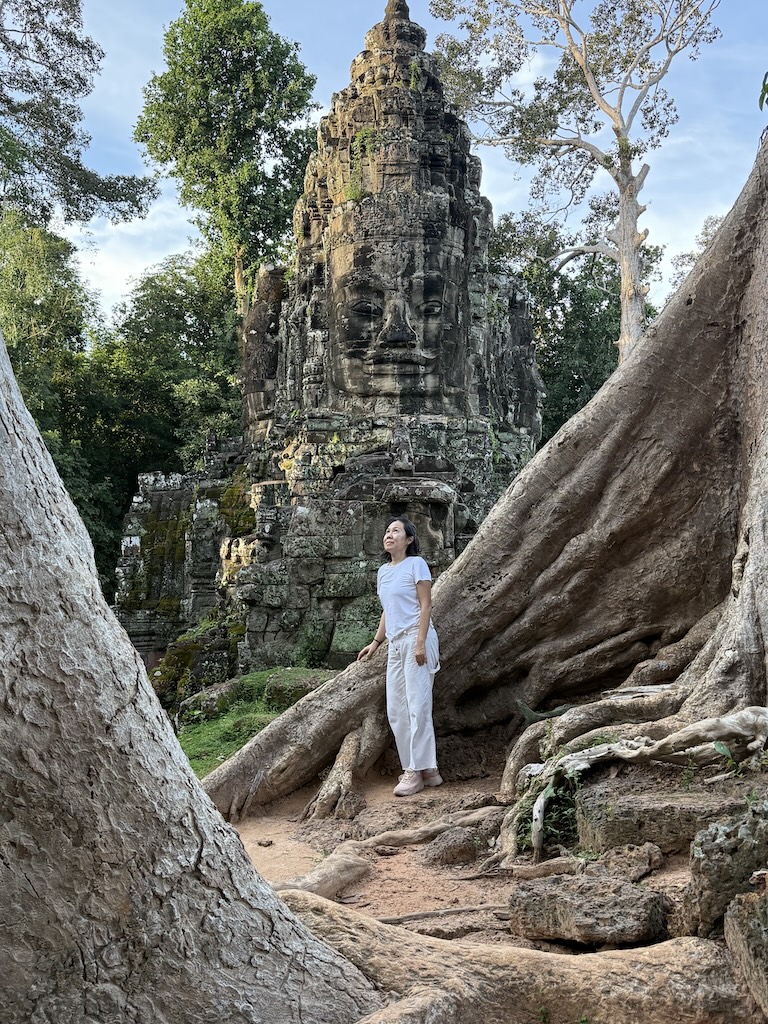
Standing in front of one of humanity's most humbling achievements in Siem Reap—extraordinary value without the crowds.Travel Closer. Go Deeper. Spend Less
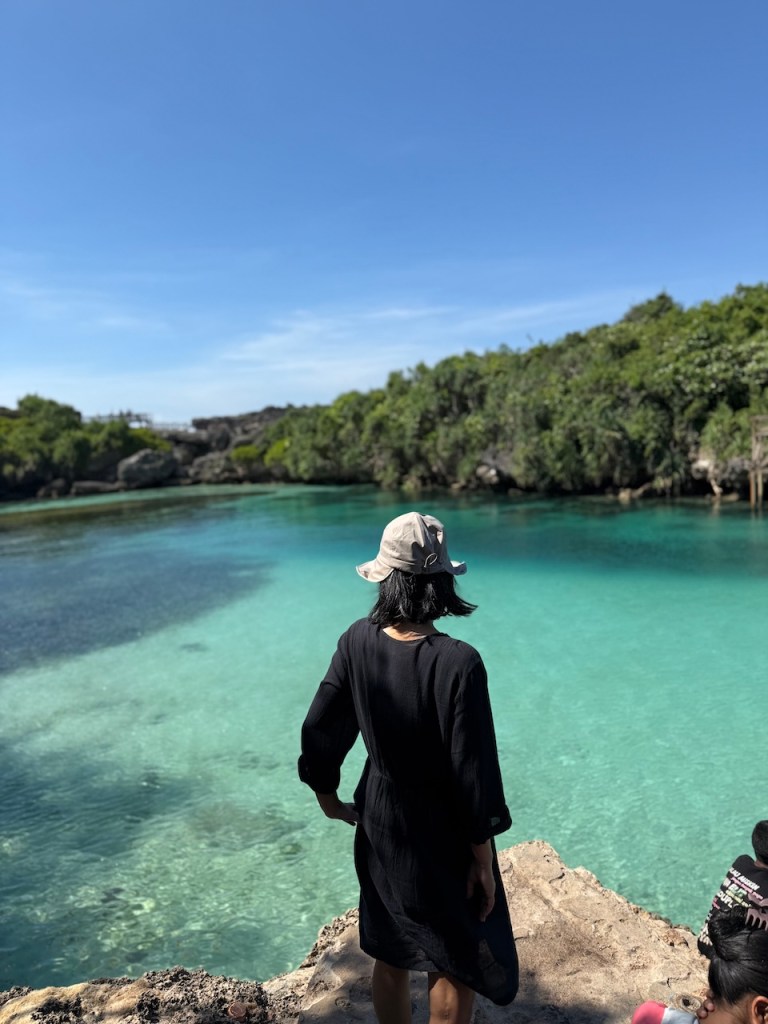
Long-haul travel was already a logistical marathon before fuel surcharges started climbing. But beyond the soaring oil prices and the financial stress tests of a flight to Latin America or another European capital, my own sense of urgency has shifted. The ‘travel checklist’ of my younger years has quietly faded. While there are still corners of the world I’d love to see—Namibia’s dunes or the streets of Krakow—they are no longer burning priorities. Living here in Asia, I’ve realized we are sitting on one of the most extraordinarily diverse, affordable, and criminally underexplored regions in the world. There is a deep satisfaction in going deeper into our own backyard, finding that the ‘exotic’ was right here all along, just waiting for us to stop overlooking it.
I’ve been exploring Asia more intentionally over the past couple of years, and the returns have been remarkable. Siem Reap in Cambodia rewards the repeat visitor in ways first-timers never get to experience. On my third visit across three decades, I finally had the confidence to skip the obvious, wander into villages, and be truly selective about which temples deserved my time. For me it has always been Bayon — those serene, monumental stone faces gazing out in every direction, utterly indifferent to the centuries that have passed. There is nothing quite like it anywhere in the world. Extraordinary value, and still far fewer crowds than it deserves.
Vietnam and China have been particular revelations, not just for their beauty but for their sheer value.
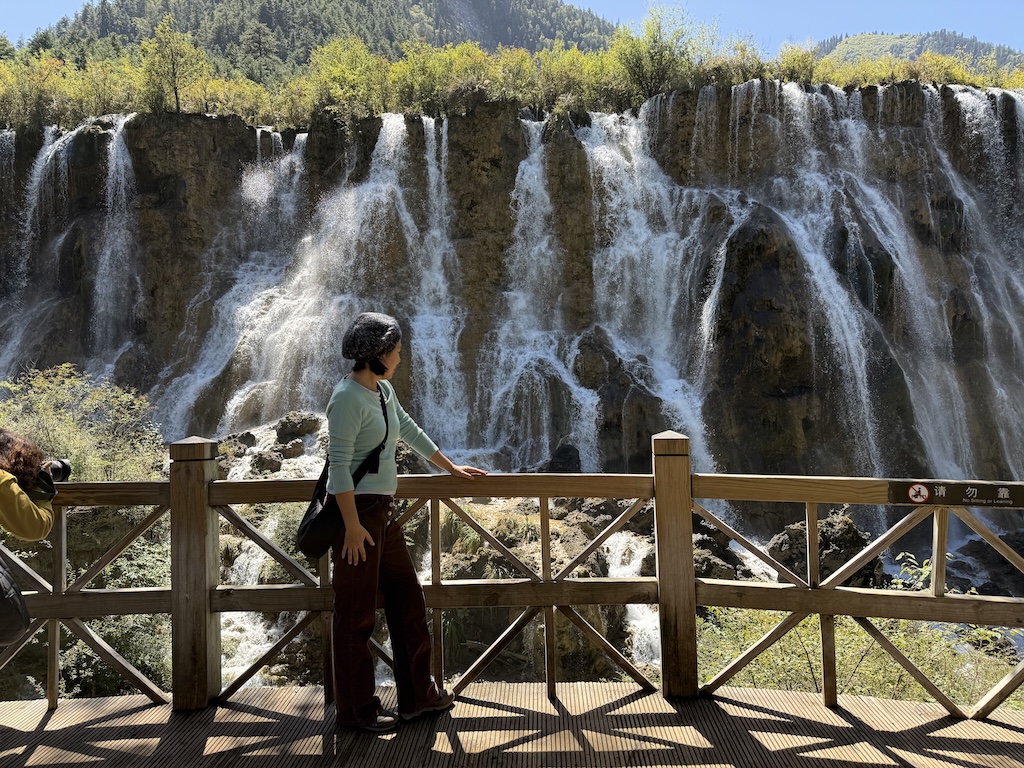
From there, the old quarter of Hanoi, the surreal blue-green lakes of Jiuzhaigou and the food-obsessed energy of Chengdu in China — all at a fraction of what you’d spend in Western Europe or even Australia. The yuan and the dong are quietly the world’s best-kept travel secrets right now.
And for those outside Asia reading this — the same principle applies to your region. Road trip your own continent. Rediscover what’s 2-3 hours away instead of fourteen. The story you’ll tell at dinner is often better anyway.
Rethink Where Your Food Comes From
Food prices are one of the most immediate ways global disruption lands on your kitchen table. Imported produce travelling halfway around the world carries fuel costs baked into every price tag — and those costs are rising fast.
My response has been to redraw my sourcing map, and the good news is that for those of us in the APAC region, this is surprisingly easy to do well.
Singapore, despite importing almost everything, sits at the heart of one of the world’s most productive agricultural neighbourhoods. Produce from Malaysia, Thailand, Indonesia, and even Australia and China arrives via the Intra-Asia shipping corridor — routes that run through the Strait of Malacca and the South China Sea, entirely bypassing the troubled Middle East. In a world where supply chain geography suddenly matters again, APAC-sourced food is not just cheaper — it’s more resilient.
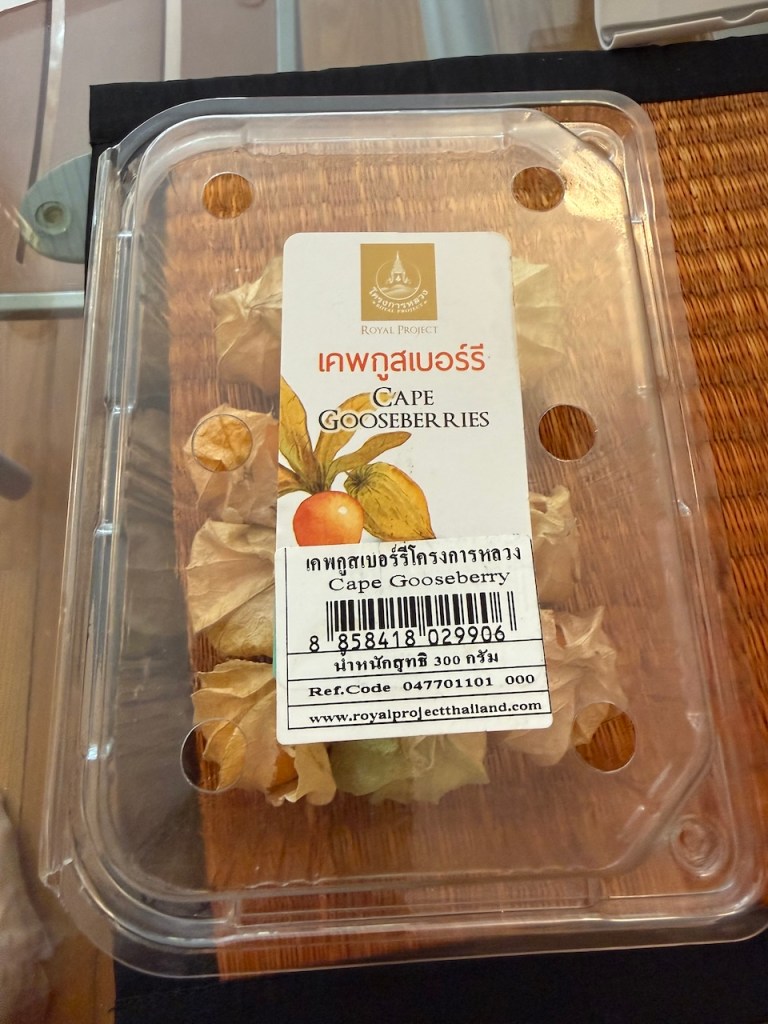
In Bangkok, where I spend a good part of my time, I’ve become a devoted customer of Thai Royal Project produce — and if you’ve never heard of it, here’s a story worth knowing. Founded in 1969 by the late King Bhumibol Adulyadej, the Royal Project was created to solve three interconnected problems simultaneously: highland poverty, deforestation, and opium cultivation in Thailand’s northern mountains.
The elegant solution was to introduce cool-climate agriculture — strawberries, temperate vegetables, mushrooms, artisanal teas — giving highland communities a sustainable and legal livelihood. Today the project operates across dozens of development centres in the northern provinces, and their produce is widely available in Thai supermarkets under the Royal Project Foundation label.
What you get as a consumer is exceptional quality highland produce at fair prices, with one of the most extraordinary social backstories in Asian agriculture. Every punnet of gooseberries is essentially a vote for sustainable farming over opium poppy. It doesn’t get more purposeful than that.
The broader principle applies globally: find the equivalent of your regional food basket and lean into it. It almost always tastes better, costs less, and travels more kindly through the current world.
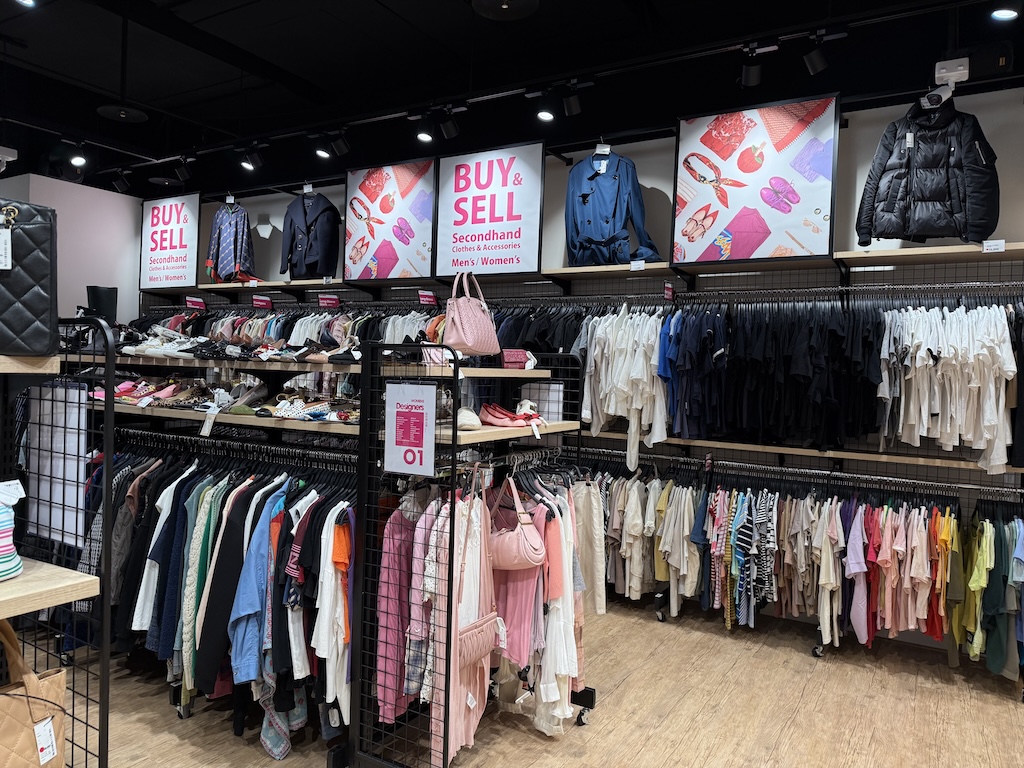
Buy Less. Buy Better. Buy Things That Last.
The culture of cheap, fast, and disposable is one of the first casualties of an expensive-energy world — and honestly, good riddance.
When I was recently in Chengdu, I picked up a few classic Chinese brand pieces — the kind of evergreen, well-crafted clothing that Chinese consumers have trusted for decades but international audiences are only beginning to discover. No logos, no trend-chasing, just solid craft at remarkably honest prices. And during a trip to Taipei last year, I spent a very happy afternoon in 2nd Street — the beloved secondhand clothing chain that’s become a treasure-hunt institution across Taiwan — walking out with pieces that had more character than anything in a shopping mall.
This isn’t about being frugal. It’s about being intentional. The question I ask before any purchase now: Will I still want this in five years? If the honest answer is probably not, I put it back.
In a world where supply chains are fragile and prices are volatile, things that last save you money over time. And things that carry a story — where they were made, who made them, what they represent — tend to age better than things that were just… cheap and convenient.
The Sustainable Life You Already Knew You Should Be Living
Here’s the slightly uncomfortable truth: most of what the “new normal” is nudging us toward, we already knew we should be doing.
Reduce waste. Source locally. Travel slower. Consume less. Choose quality over quantity. I wrote about leading a more sustainable life a while back, and at the time it felt like a conscious lifestyle choice — something you did if you were motivated and paying attention. Now it’s becoming straightforward economic common sense. The world has essentially started charging us for our excess, and the bill has arrived.
The crisis hasn’t created new wisdom. It’s just made the old wisdom impossible to ignore.
The Bottom Line
The world didn’t ask our permission to get complicated. Another crisis, another disruption, another “new normal” to absorb. But if the last few decades have taught me anything, it’s that the people who navigate these periods best aren’t the ones who panic the hardest or complain the loudest.
They’re the ones who quietly adjust, find the opportunity inside the constraint, and often end up living more deliberately — and more richly — than before.
Travel closer. Eat smarter. Buy better. Live lighter.
The storm isn’t clearing anytime soon. But you can absolutely learn to dance in the rain.
 Live Life
Leave a comment