The Rising Concern Over Salt Consumption
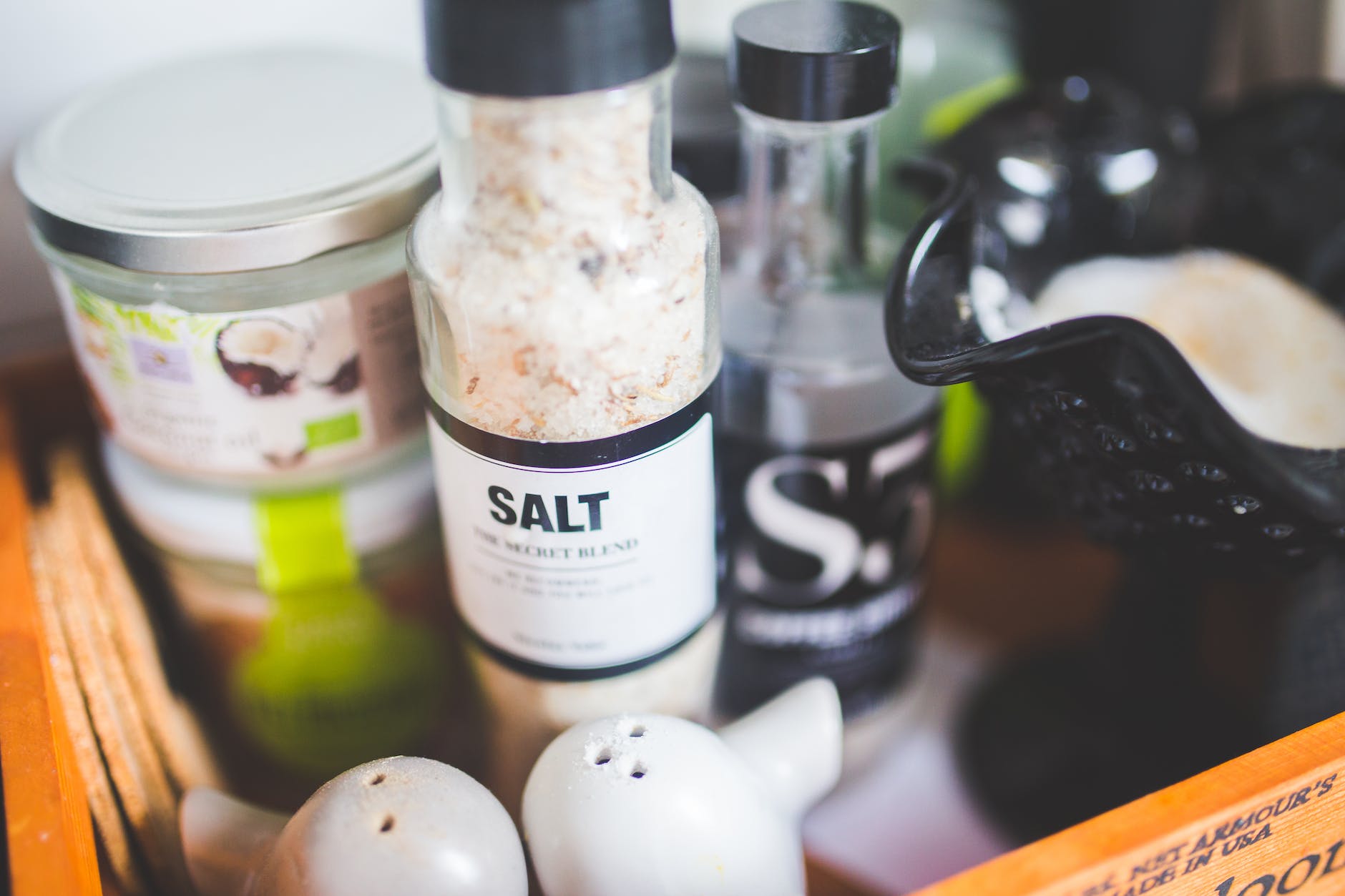
Salt, a seemingly innocent seasoning, has stealthily crept into our diets, playing a major role in various health issues worldwide. I aim here to shed some light on how salt impacts our health and what we can do to mitigate these effects.
Salt in Our Diet: A Hidden Culprit
Surprisingly, a significant amount of the salt we consume is hidden in everyday foods, not just in our salt shakers. Processed foods, canned goods, and even some ‘healthy’ snacks are often high in salt. It’s crucial to recognize these hidden sources to manage our intake effectively.
Health Impacts of Excessive Salt Intake
High salt intake is primarily linked to hypertension (high blood pressure), a leading risk factor for heart disease and stroke. Moreover, excessive salt consumption can lead to other health complications such as kidney disease and osteoporosis.
Understanding Salt Labels
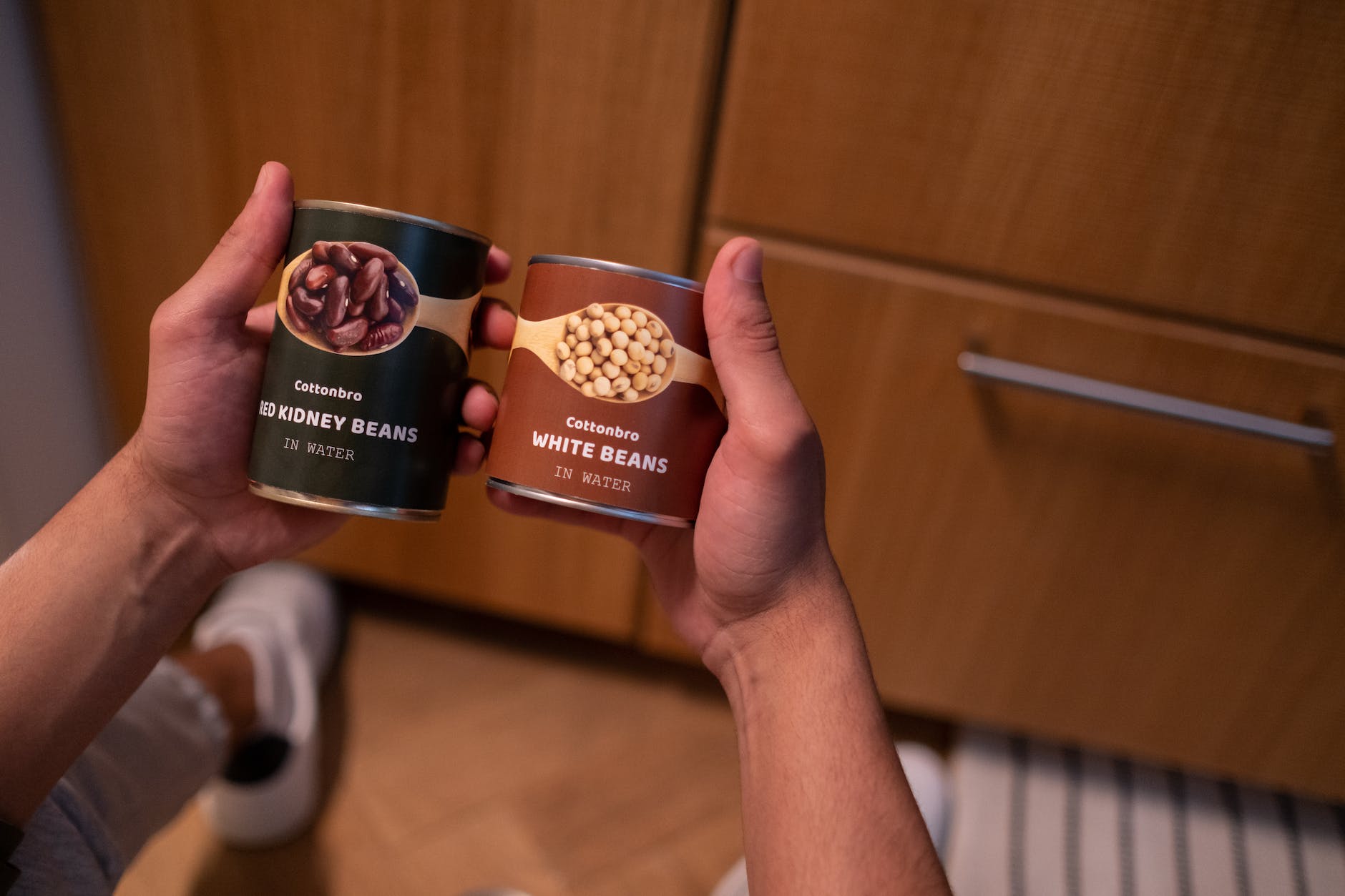
Navigating food labels is key to understanding and controlling salt intake. It’s essential to know the difference between sodium and salt on these labels, as they are often used interchangeably but have different implications for our health.
Balancing Salt in Our Diet
The recommended daily salt intake is about 5 grams, but most people consume much more. Reducing salt doesn’t mean sacrificing flavor; it’s about making smarter choices, like opting for fresh produce over canned or processed items.
Cooking Without Compromising on Taste
There are numerous ways to flavor food without relying on salt. Herbs, spices, and other natural seasonings can enhance the taste of meals without adding extra sodium.
Eating Out: Making Smart Choices
When dining out, it’s important to be mindful of salt-rich menu items. Asking for dressings and sauces on the side or opting for grilled rather than fried foods can significantly reduce salt consumption.
For the more curious folks out there, here are a few answers to some questions you might have:
- How has reducing salt intake impacted your health?
- I’ve noticed significant improvements in my overall well-being and energy levels.
- What are your favorite low-salt Thai and Singaporean dishes?
- I love experimenting with fresh seasonal fruits and green vibrant salads and stir-fries using a variety of herbs and spices. I don’t eradicate salt but I reduced the amount.
- How do you handle social gatherings with regards to food choices?
- I focus on balance and making mindful choices, without depriving myself of the joys of social eating. I will choose salad,soup over cold cut for instance.
- Can you share a quick tip for reducing salt in everyday cooking?
- Start by gradually reducing the amount of salt you add to dishes and experiment with other seasonings like garlic, ginger, and fresh herbs.
- What advice would you give to someone struggling to reduce their salt intake?
- Begin with small changes and be consistent. Awareness is the first step to healthier eating habits.
- Do you find it challenging to maintain a low-salt diet while traveling?
- It can be challenging, but I always try to choose fresh, local dishes and communicate my dietary preferences when dining out.

Conclusion
Understanding the role of salt in our diets is the first step towards healthier eating habits. By making informed choices and advocating for healthier options, we can all contribute to a salt-smart future.


 Live Life
Leave a comment