
In the pursuit of a balanced and healthy lifestyle, especially as we embrace the nuances of aging gracefully, the choices we make in our diets are crucial. The debate between fresh and frozen foods is a longstanding one, with many assuming that fresh always equals better. However, frozen foods hold a treasure trove of benefits that might just tip the scales in their favor. Let’s explore the unexpected advantages of incorporating frozen foods into our diets, illuminating how they can support not only our nutritional needs but also our broader lifestyle goals.
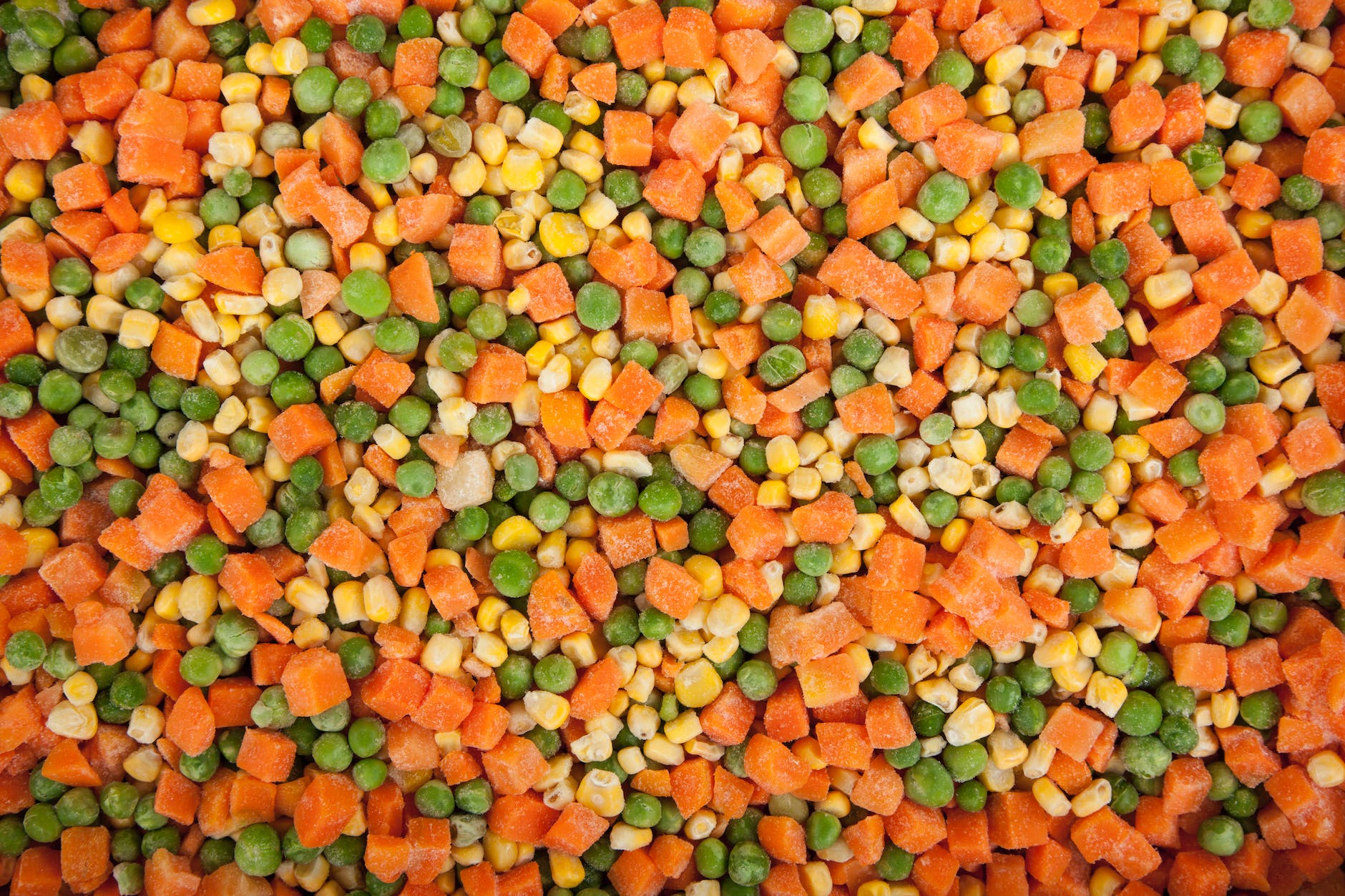
Frozen Foods: Unveiling the Nutritional and Lifestyle Benefits
The narrative surrounding frozen foods has often been overshadowed by misconceptions, leading many to overlook the myriad of benefits they offer. From locking in essential nutrients to providing convenience that complements a dynamic lifestyle, frozen foods emerge as a practical choice for health-conscious individuals.
1. Peak Nutrient Preservation: The Science Behind the Freeze
The process of freezing food is like hitting the pause button on nutrient loss. Fruits and vegetables destined for freezing are typically harvested at their peak ripeness, a time when they’re most nutrient-dense. Quick freezing locks in vitamins and minerals, making frozen produce a formidable contender to their fresh counterparts, which may lose nutrients during transport and storage.
2. Embracing Convenience: A Boon for Busy Lives
In today’s fast-paced world, convenience is king. Frozen foods offer just that, allowing for nutritious meals to be prepared with minimal time and effort. This convenience is not only a boon for those with demanding schedules but also ensures that nutritious food options are always within reach, regardless of the season or local availability.

3. Championing Sustainability: Reducing Food Waste
Choosing frozen foods is a step towards a more sustainable lifestyle. By extending the shelf life of produce, the likelihood of food waste is significantly reduced. This aligns with the growing consciousness around the impact of our food choices on the planet, making frozen foods an environmentally friendly option.
4. Cost-Effectiveness: Budget-Friendly Nutrition
Economic considerations play a vital role in our dietary choices. Frozen foods often present a more budget-friendly option compared to fresh produce, especially when factoring in the reduced risk of spoilage. This cost-effectiveness does not come at the expense of nutritional value, making frozen foods an attractive option for maintaining a healthy diet without breaking the bank.
5. Year-Round Availability: Seasonal Favorites Anytime
The ability to enjoy seasonal favorites all year round is one of the delightful advantages of frozen foods. Whether it’s berries in winter or squash in summer, freezing technology brings the bounty of every season to our tables anytime, enriching our culinary experiences and ensuring a diverse intake of nutrients.
Incorporating Frozen Foods into Your Diet
Integrating frozen foods into one’s diet opens up a world of possibilities, from smoothies packed with frozen berries to quick stir-fries with mixed vegetables. The quality and variety of frozen foods have improved significantly, offering a range of options that cater to health-conscious individuals without compromising on taste or nutritional value.
FAQs
Do frozen foods truly retain their nutritional value? Yes, the quick-freezing process helps preserve vitamins and minerals, making frozen foods a nutritious option.
Can frozen foods support a healthy aging process? Absolutely. Frozen foods offer a convenient and nutritious way to meet the dietary needs essential for aging gracefully.
Are there any nutritional drawbacks to consuming frozen foods? As long as one opts for options without added sugars or sodium, frozen foods can be a healthy part of any diet.
How can frozen foods fit into a balanced diet? Frozen foods can be used in various dishes, ensuring a balanced intake of fruits, vegetables, and other food groups.
Is choosing frozen foods over fresh a sustainable choice? Yes, the reduction in food waste and the lower carbon footprint associated with transportation make frozen foods a more sustainable choice.
Conclusion
The merits of incorporating frozen foods into our diet extend beyond mere convenience. They offer a practical solution to modern-day challenges, including nutritional retention, lifestyle flexibility, cost-effectiveness, and sustainability. As we navigate the journey of aging gracefully, the choice of frozen over fresh can support our health goals while aligning with a conscious and dynamic lifestyle. I have embraced the freezer aisle with a new perspective, recognizing that it holds the key to a nutritious, convenient, and sustainable dietary path how about you?
 Live Life
Leave a comment