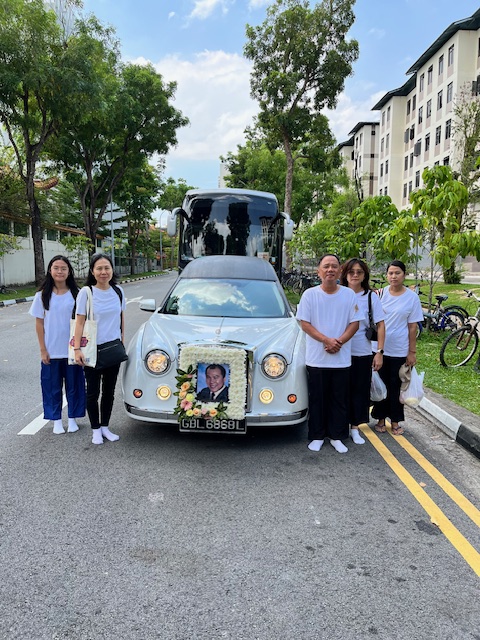
Life as an active ager is full of surprises, some wonderful, some downright difficult. This month, I want to share a very personal experience – the recent passing of my father. It’s a topic rarely discussed openly, but death is a natural part of life, and navigating its realities is something we all face eventually.
A Fight Well Fought
My dad, a true champion of active aging himself, lived a full life for 17 years following a major open-heart surgery in Shanghai. He received a bioprosthetic heart valve (a Big’s valve), a testament to medical advancements even then. Five years ago, he faced another hurdle: urethral cancer. While surgery wasn’t an option, he embraced life’s possibilities, prioritizing quality over quantity.
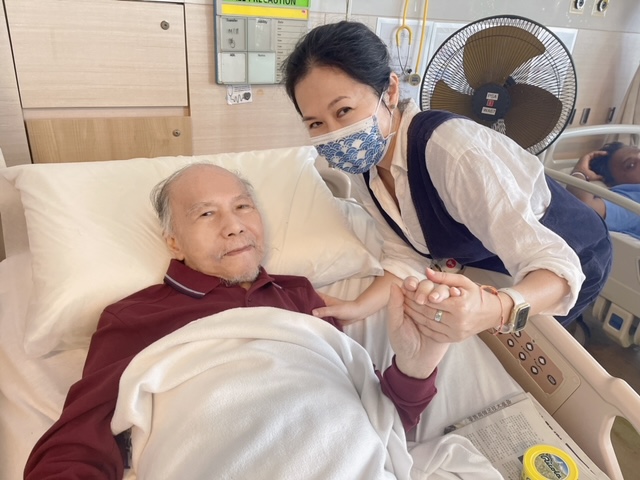
This past November, however, things took a turn. Multiple complications, including a micro stroke, led to three hospital admissions within two months. It was a whirlwind of learning.
Communication is Key: Advocating for Your Loved One
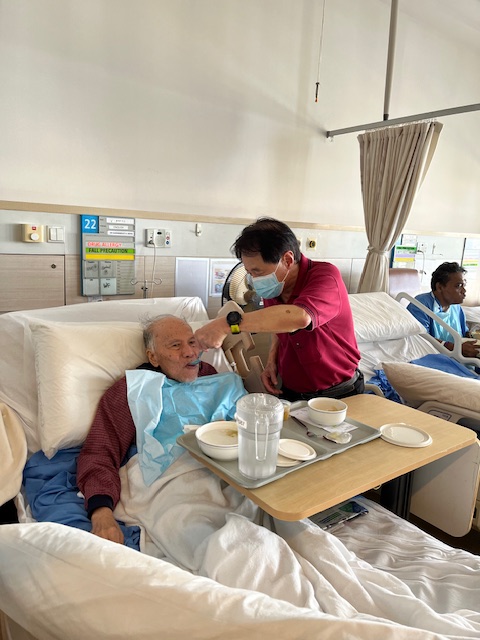
Through each hospitalization, I learned the crucial importance of effective communication with the medical team. I advocated for my dad, expressing concerns like his lack of appetite and potential over-medication. The doctors, nurses, and social workers were incredibly supportive, helping me understand treatment options and navigate the complex healthcare system. Their guidance was instrumental in transitioning my dad from hospital care to home care with visiting nurses.
Embracing Hospice Care: Comfort and Support in Final Months
The final step in this journey was a referral to Asisi Hospice. Initially hesitant about managing his care at home, Asisi Hospice proved invaluable. Their team provided education and support, guiding me through his final chapter with compassion. They equipped me with medications and injections to manage his pain, along with invaluable advice on managing his last day.
Witnessing the Inevitable: Changes and Precious Memories
As my dad’s health deteriorated, I witnessed a decrease in his weight and his ability to speak. Yet, I’m profoundly grateful for capturing precious memories on video over the past three years, when he was still lively. These videos not only contain memories for my family and I , but also hold personal messages he recorded for some of his closest friends, including his best friend of 50 years – a doctor who served as a constant source of support.
Final Days: Considering Hospice at Home
Hospice at home became a contentious point between me and my thoughts. While the idea seemed daunting, the support from Assisi Hospice was unwavering. They helped me recognize the tell tale signs of nearing death and provided a roadmap for navigating those final days.
The Process in Singapore
In Singapore, the process of obtaining a death certificate involves contacting the attending doctor or hospital to certify the death. Once the certificate is issued, it must be registered with the Registry of Births and Deaths. As for cremation options, we opted for sea burial over keeping an urn and plaque. My brother and I believe in celebrating life while the person is alive, and we did our best for our father. A good funeral director is crucial in managing the process from start to finish, ensuring everything runs smoothly during such an emotionally taxing time.
Sea Burial: A Celebration of Life, Not Loss
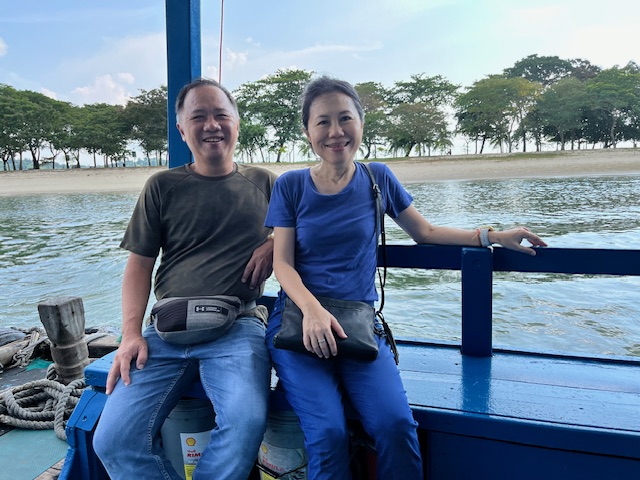
My brother and I decided on a sea burial, a less common approach compared to an urn and plaque. This decision reflects our shared philosophy. We believe in celebrating life while a loved one is still with us, and that’s exactly what we did for our dad. A sea burial symbolizes the cycle of life and feels like a fitting tribute to his adventurous spirit, as his ashes return to the vastness of the ocean.
Honoring Our Father’s Legacy
Throughout this experience, I’ve learned the importance of open communication with healthcare providers, the value of hospice care, and the need to discuss death more openly. Our father lived a full life, and in his final moments, he was surrounded by love and comfort.
Conclusion
Navigating the declining health and eventual passing of a loved one is never easy, but it’s a journey we all must face at some point. My hope is that by sharing my personal experiences, I can shed light on this often-taboo topic and provide a sense of comfort and guidance to others going through similar challenges.
Remember, death is a natural part of life, and while it may be difficult, it’s essential to approach it with compassion, open communication, and a willingness to learn. Seek support from professionals, lean on your loved ones, and above all, cherish the precious moments you have with those you hold dear.
FAQs
1. What are some signs that hospice care might be right for a loved one?
Hospice care focuses on comfort and symptom management during a terminal illness. It’s a good option when someone has a limited life expectancy, typically six months or less. Signs that hospice might be right include:
- Frequent hospital admissions
- Increasing difficulty with daily activities
- Loss of appetite and weight
- Increased pain or discomfort
2. How can I prepare for the end-of-life journey with a loved one?
Educate yourself on the signs of approaching death, pain management techniques, and available hospice care options. Communicate openly with your loved one and their medical team to ensure their needs and wishes are respected. Seek emotional support for yourself and your family during this challenging time.
3. What resources are available for end-of-life care in Singapore?
 Live Life
Leave a reply to Essential Caregiver Advice for End-of-Life Support – Live Life Cancel reply