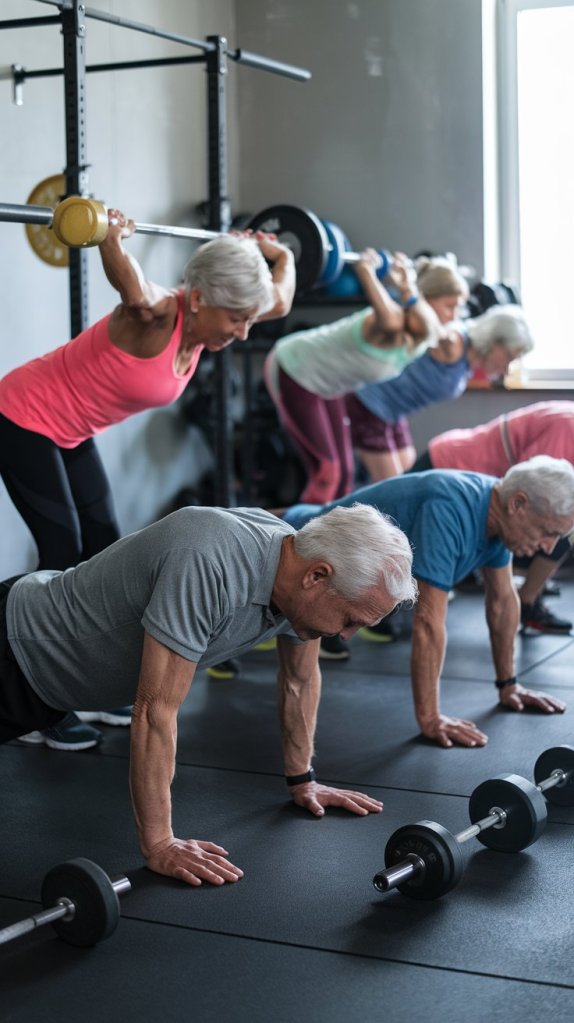
Aging is a natural process, and one of its less celebrated aspects is the decline in body mass, particularly muscle mass.
After we hit our 30s, muscle mass typically decreases by about 3-8% per decade, and this rate accelerates after 60. This condition, known as sarcopenia, can lead to reduced strength, increased risk of falls, frailty, and a diminished quality of life.
But here’s the good news: it’s not an inevitable slide into weakness. We can take proactive steps to manage, slow, or even reverse some of these effects.

My Dental Check-Up Epiphany
Let me start with a personal anecdote – I’ve never enjoyed my bi-annual dental check-ups. They’re not fun, but they’re crucial. A few years back, I learned this the hard way when I had to undergo a root canal.
That experience was a stark reminder that not all things we avoid are avoidable forever. Much like dental care, managing our physical health, specifically muscle mass, requires us to engage in activities we might not love but are undeniably beneficial.
The Core of the Matter
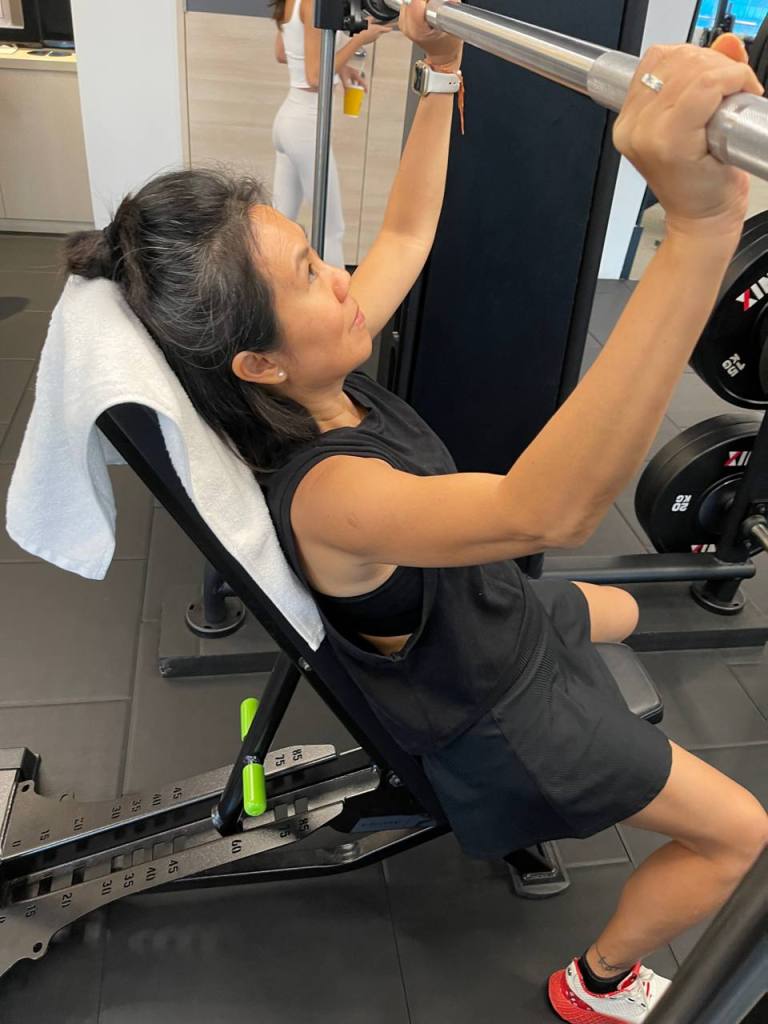
My core strength, or rather the lack thereof, has been another area I’ve dodged. I know the importance of core muscle strength for balance, posture, and overall function, especially as we age.
However, I’ve been putting it off, much like one might procrastinate on a less than enjoyable task. But this year, I’ve decided it’s time to confront these avoidance habits head-on, particularly focusing on building my core strength.
A Plan for Core Strength
Here’s my strategy:
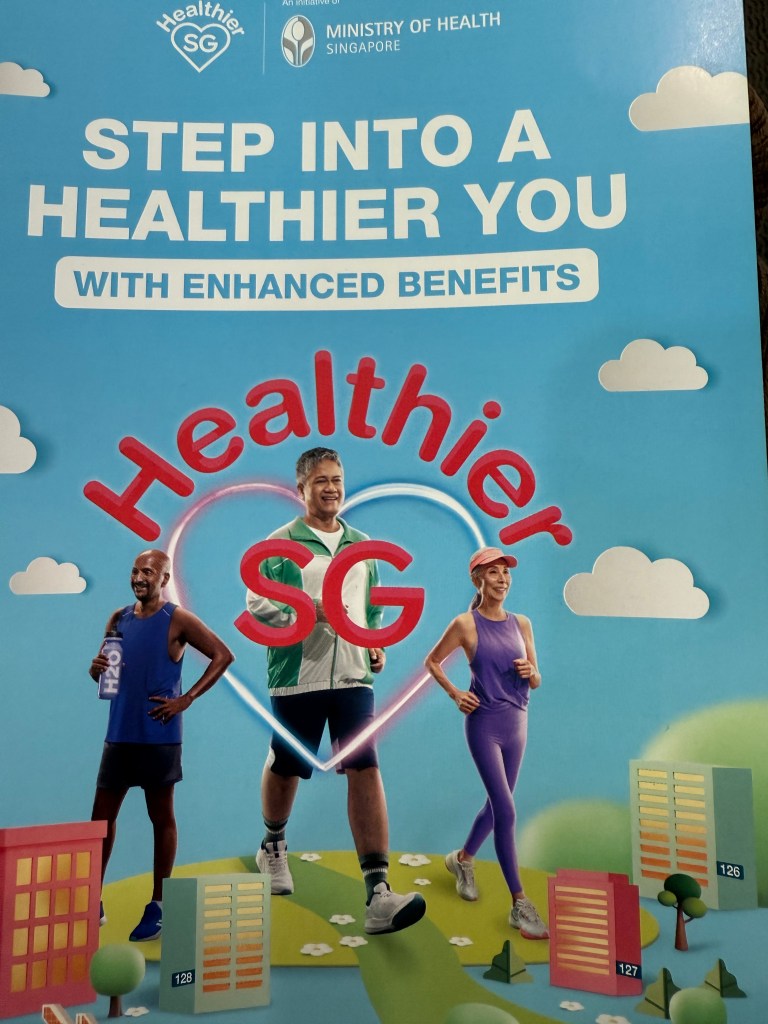
- Leveraging National Programs: When I’m back in Singapore, I plan to engage with the national Healthy SG program. This initiative offers resources and guidance for strength-building exercises tailored to combat the natural decline in muscle mass. It’s an excellent opportunity to utilize community resources in a supportive environment.
- Investing in Home Equipment: I’m considering buying some weights. Not only will this allow me to continue the routines I’ve learned from a personal trainer during my recent vacation, but it also means I can maintain consistency in my exercise regime, whether I’m in Bangkok or Singapore. The beauty of having your own weights is the flexibility to workout anytime, fitting it into my schedule without the need for a gym.
- Personal Trainer Lessons: The lessons I’ve had with a personal trainer have been enlightening. They’ve given me the confidence to work out correctly and safely. I aim to keep up with these lessons, even if sporadically, to refine my technique and motivation. Nothing beats personalized guidance when you’re trying to strengthen parts of your body you’ve neglected.
What Happens When We Ignore Muscle Loss?
Trust me, I’ve done my research (partly out of guilt, partly out of genuine curiosity).
You might wonder why core strength is such a big deal for me. Well, a strong core isn’t just about looking good at the beach (although that’s a nice bonus). When we lose muscle mass, we’re not just losing our ability to open tight jar lids. We’re talking about:
- Preventing Falls: A strong core helps with balance, reducing the risk of falls, which are a significant concern as we age.
- Maintaining Independence: It supports everyday activities like bending, lifting, and even simple things like getting out of a chair without assistance.
- Enhancing Life Quality: Strong core muscles contribute to better posture, less back pain, and an overall sense of vitality.
Embracing the Unenjoyable for the Greater Good
I’ve always preached doing more of what we love and less of what we don’t.
However, I’ve come to understand that some things we might not enjoy are still necessary for our health and well-being. Just like my dental check-ups, building core strength isn’t about instant gratification but about long-term health benefits.
This year, I’m setting up a system – not just a goal – to make this happen. It’s about turning what I’ve avoided into something routine, part of my life, much like brushing my teeth.
Progress Over Perfection
I’m reminding myself that progress, not perfection, is the goal. There will be days when I feel strong and motivated, and there will be days when I struggle to find the energy.
Celebrating Small Wins: Acknowledging Effort
I’m going to celebrate every small victory, whether it’s completing a workout, improving my form, or simply showing up on the mat.
Listening to My Body: Rest and Recovery
Most importantly, I’m going to listen to my body and prioritize rest and recovery. Overtraining can lead to burnout and injury, so it’s crucial to build in adequate rest days.
The Bottom Line: Investing in My Well-being
Building core strength is an investment in my future. It’s about ensuring that I can continue to live an active and independent life, enjoying the adventures that lie ahead.
This journey won’t be easy, but I’m confident that by taking small, consistent steps and focusing on my overall well-being, I can achieve my goals.
As we age, it’s vital to adapt our lifestyle to support our changing bodies. I’m embracing this challenge with open arms (and a hopefully stronger core).
Whether it’s through national programs, personal investments in home gym equipment, or ongoing education with trainers, I’m committed to this journey.
And if there’s anything I’ve learned from blogging about active aging, it’s that sharing these experiences might just inspire someone else to do the same.
Here’s to doing what’s good for us, even if it’s not always what we love.
Disclaimer: This article is for informational purposes only and should not be considered medical advice. Consult with a healthcare professional before starting any new exercise program.
 Live Life
Leave a reply to Navigating Brain Fog and Memory Loss : Tips for a Sharper Mind – Live Life Cancel reply