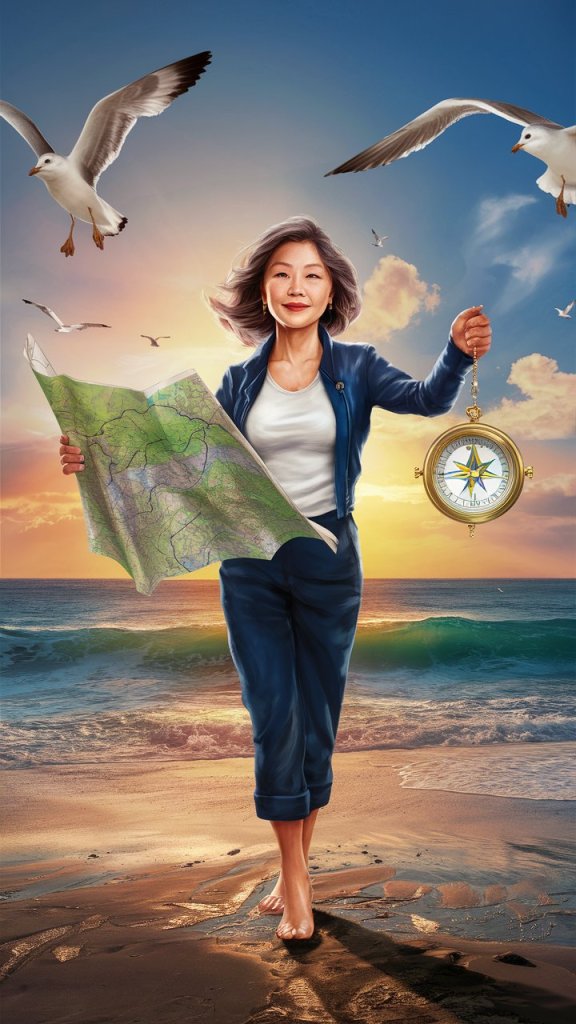
Disney Dreams, MTV Moves & Confucian Clashes
Growing up in Singapore in the ’70s and ’80s was like living in a cultural blender. One minute, I was daydreaming about Prince Charming sweeping me off my feet (thanks, Disney!), and the next, I was trying to moonwalk to Michael Jackson’s Beat It. My childhood was a mix of Western pop culture and strict Chinese values—thanks to my dad, a man deeply rooted in Confucian ethics but who also thrived in European corporate environments.
We had robust debates—okay, fine, full-blown arguments—about everything from career choices to how late I could stay out. He believed in filial piety, restraint, and discipline; I believed in freedom, self-expression, and questioning everything. (Thanks, American movies and media job!) I fought hard to stand my ground, convinced my Western-influenced views were “right.”
Fast forward to my 50s, and—plot twist—I’m starting to see the beauty in the balance.
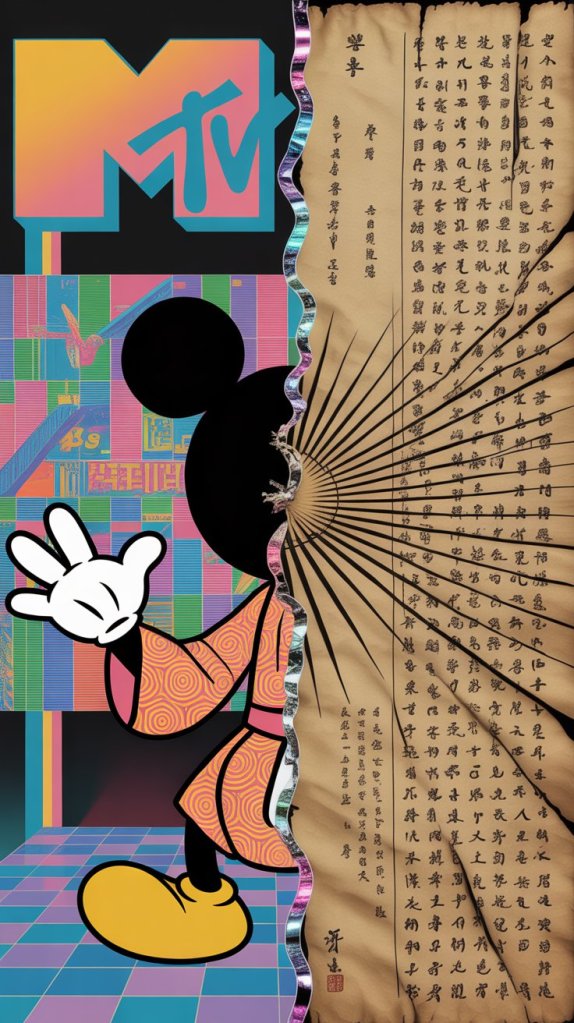
The Epiphany: Curating the Best of Both Worlds
It hit me the other day: I’ve been unconsciously blending cultural philosophies all my life. Now, I’m consciously choosing to curate the best from both East and West, not just to age well, but to live better.
Take the Parisian sense of style, for instance. I love that effortless elegance—looking chic without overtrying—and I’ve adopted it in how I present myself and approach life.
Then there’s the independent spirit I absorbed from American movies and my years working in an American-owned media company. That “go for it” mindset has fueled my confidence to try new things, like starting Lindy Hop dance lessons recently. There’s something so joyful about swinging to jazz rhythms, a nod to Western culture’s love of exuberance and fun.
At the same time, I’m drawn to the discipline of Eastern practices. I’ve recently started simple chanting and meditation as part of my daily routine, which keeps me centered and calm. I’m also hoping to pick up Tai Chi soon to integrate its graceful, mindful movements into my life, further blending the physical and spiritual wisdom of the East.
Funny how time softens stubbornness. The same values I once resisted now feel like anchors in an increasingly chaotic world.
The Pluses and Minuses of Culture
Every culture has its strengths and challenges. The Western focus on individuality can sometimes feel self-centered, while the Eastern emphasis on duty can seem restrictive if taken too far.
Neither is perfect, but both have so much to offer. By cherry-picking the best, I’m crafting a version of myself that feels authentic and ever-evolving. For example, I embrace the Western approach to mental health—open conversations and prioritizing self-care—which has helped me navigate the ups and downs of aging.
But my new chanting and meditation practice, rooted in Eastern traditions, adds a layer of inner peace I didn’t know I needed. Even in financial management, I blend the Western drive for investment and growth with the Chinese emphasis on saving and living within one’s means.
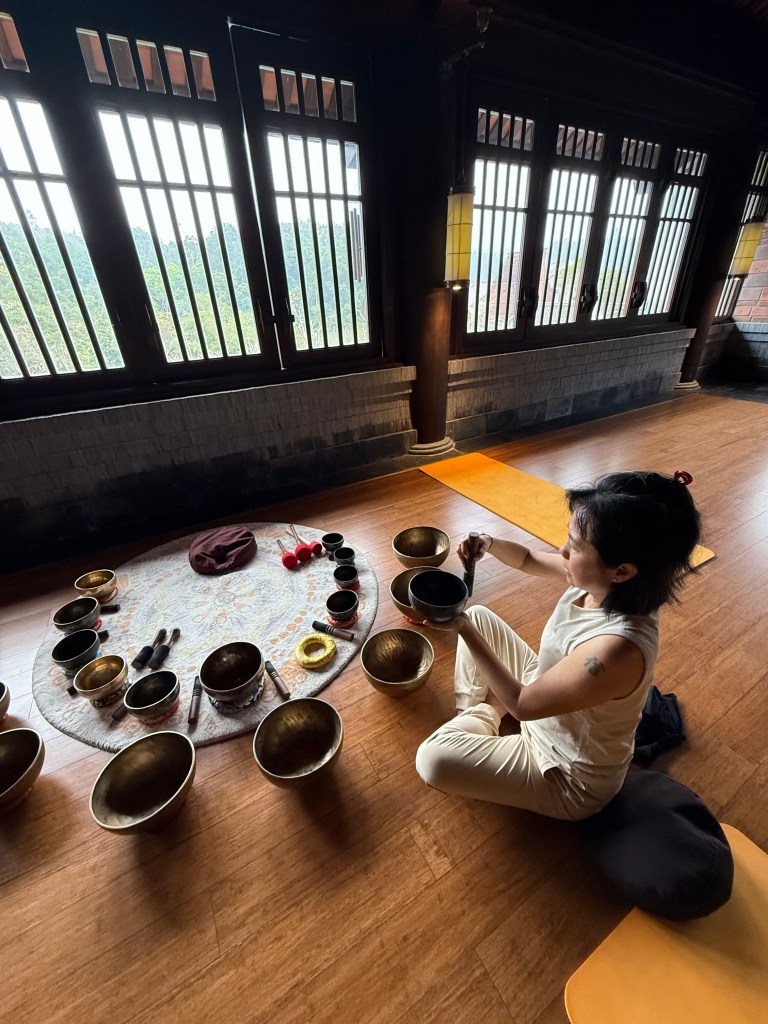
Redefining My Identity
At this stage of life, I’m redefining what I represent. I’m not just a Chinese woman who grew up in Singapore, nor am I a Westernized rebel who danced to MTV. I’m a mix of both, and I’m okay with that ambiguity.
Here are a few principles I live by now:
- Don’t pick sides—pick values. Confucius was right about discipline; Disney was right about dreams.
- Style is self-expression. You don’t need to conform to cultural expectations of how a 50-year-old should dress or behave. Look like yourself, not your age.
- Silence is strength. You don’t have to shout to be heard. The East taught me that.
- Speak your truth—but filter with grace. A blend of Western directness and Eastern subtlety can be incredibly powerful.
- Rest is productive. Active aging includes rest, reflection, and intentional living—not just constant hustle.
Finding Your Identity: Questions for You
I invite you to reflect along with me:
- What parts of your upbringing do you now embrace with new eyes?
- What values from another culture have changed you?
- Are there philosophies you once resisted but now resonate with?
- How are you curating your next chapter?
The Best is Yet to Come
Active aging is not passive living. It’s the conscious creation of a life that’s not limited by age or defined by tradition. It’s the freedom to evolve, to change your mind, to grow your roots deeper and your wings wider.
So here I am, 50+, single, bilingual in culture and experience, redefining what it means to grow older. I’m not clinging to youth. I’m not surrendering to age. I’m choosing—intentionally, joyfully, curiously—the best of all the worlds I’ve known.
And I invite you to do the same.
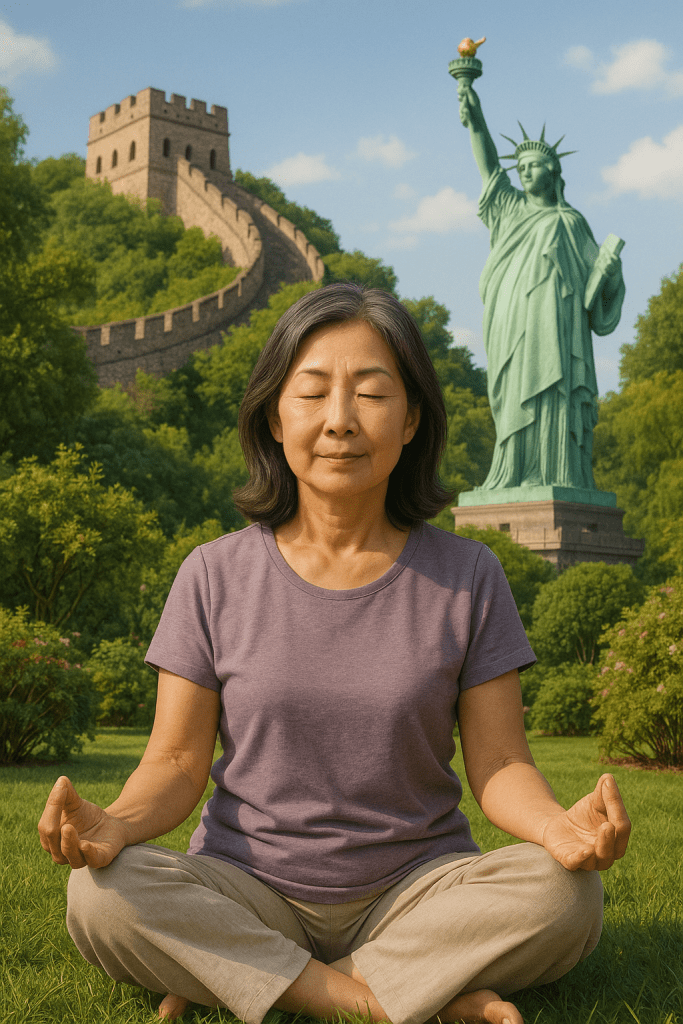
 Live Life
Leave a comment