The Surprisingly Elusive Art of Breathing
It sounds almost ridiculous, doesn’t it?
That at 50-something, I’m writing a blog post about breathing. After all, it’s the one thing we’ve been doing since we were born — involuntarily, automatically, with no instruction manual required.
Or so I thought.
But lately, breathing seems to be showing up in all the right (and surprising) places — like a wise old friend tapping me on the shoulder whispering, “Pay attention.”
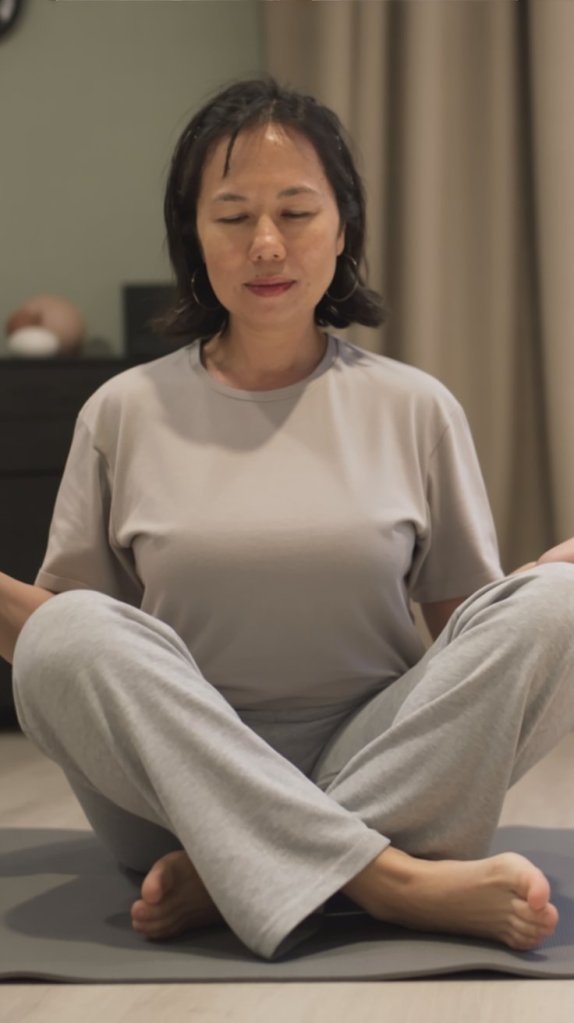
A Yoga Session in Indonesia Changed Everything
The aha moment came during a trip to Indonesia. I was at a resort in Ubud, indulging in a yoga session offered as part of the morning activities — one of those vacation perks I never say no to. I no longer go for regular yoga classes back home, but when I travel and it’s offered, I always enjoy joining in.
And there I was, stretching under a thatched roof with the sea breeze in my hair, when the yoga instructor calmly announced:
“Many of your life problems will go away… if you just learn how to breathe.”
Wait. What?
You’d think she had dropped the secret to immortality. (And maybe she did.)
That one statement lingered far longer than the class itself. It echoed later when I came across breathwork being taught in workshops, mindfulness apps, and even at health retreats. Different teachers. Different traditions. Same message.
Breathing — the intentional kind — isn’t just a thing you do. It’s a thing you learn.
Breath Is the World’s Oldest — and Freest — Therapy
What’s fascinating is how universal this idea is. Whether it’s:
- Pranayama in yoga (India)
- Tu Na in Qigong (China)
- Box breathing taught to Navy SEALs (USA)
- Buteyko Method (Russia)
- Or even Wim Hof breathing for cold exposure and resilience (Holland)
Breath is medicine. And it’s available 24/7 — no subscription required.
And yet… we hardly give it a second thought. Until someone gently reminds us.
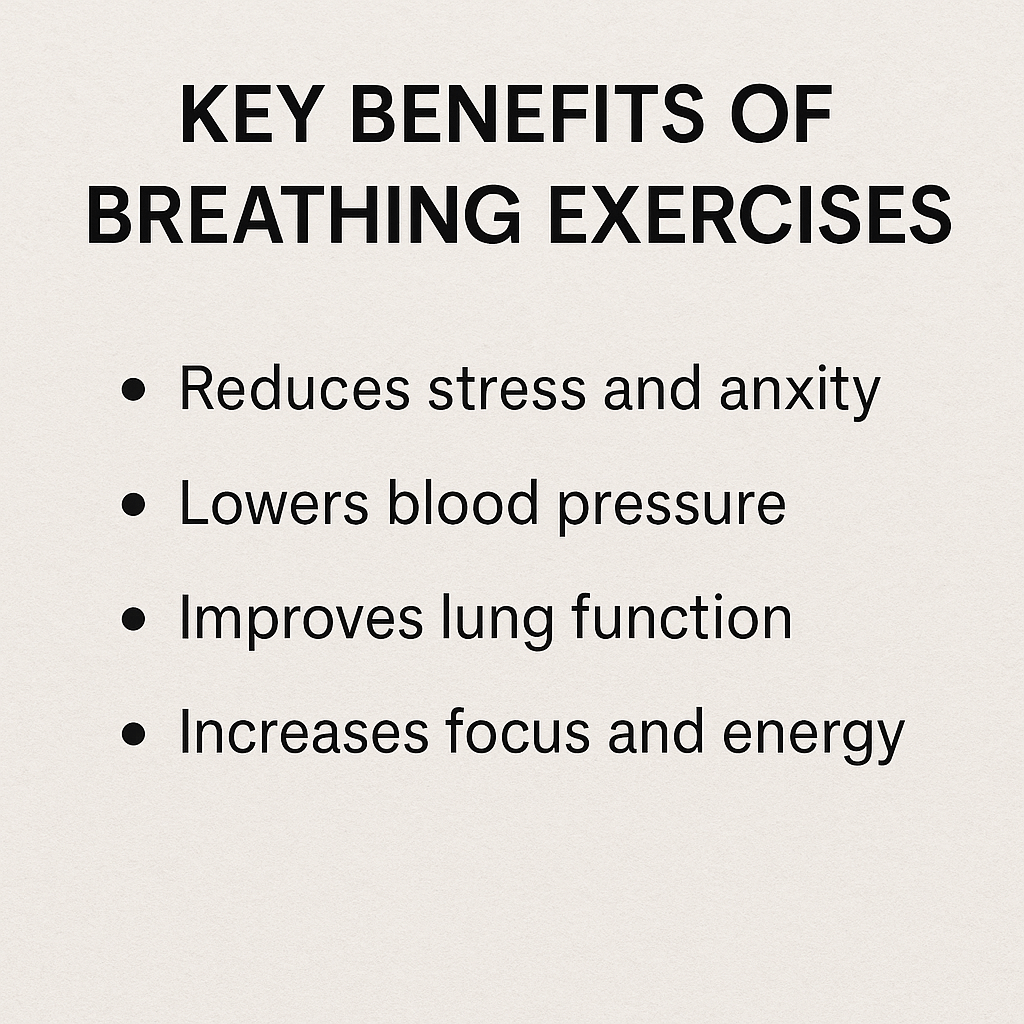
The Incredible Benefits: More Than Just Oxygen
Making this switch through conscious practice isn’t just theoretical. The health impacts are very real, especially for us navigating the wonderful world of midlife and beyond. Consistent breathwork can lead to:
- A Calmer Mind: It’s the fastest way to dial down anxiety and quiet a worried mind.
- A Healthier Heart: Deep breaths encourage blood vessels to relax, helping to lower blood pressure.
- Sharper Focus: By oxygenating the brain more effectively, we can think more clearly.
- Deeper Sleep: Calming the nervous system before bed is a game-changer for insomnia.
- Happy Digestion: The “rest and digest” mode means your body can actually focus on processing your food properly.
My Own Morning Ritual (Now with Breath & a Healing Chant)
These days, I start most mornings with a 15-minute ritual — gentle stretching, a few Tai Chi movements, mindful breathing… and, more recently, a healing chant.
You don’t need a fancy resort or a studio membership to start. You can harness this power right now, today, in your own living room. Here’s the foundational technique that I built my 15-minute practice around.
Setting the Scene: Find Your Quiet Space
All you need is a quiet corner. Sit comfortably in a chair with your feet flat on the floor, or cross-legged on a cushion. Rest your hands on your knees. Relax your shoulders away from your ears.
The Technique: Box Breathing for Instant Calm
This method, also known as 4-4-4-4 breathing, is brilliantly simple and incredibly effective. Imagine tracing the four equal sides of a box.
- Inhale (Count of 4): Gently breathe in through your nose for a slow count of 4. Feel your belly expand.
- Hold (Count of 4): At the top of your inhalation, gently hold your breath for a count of 4.
- Exhale (Count of 4): Slowly and completely exhale through your mouth for a count of 4.
- Hold (Count of 4): Hold your breath at the bottom of the exhale for a count of 4.
- Repeat: That’s one cycle. Begin again for 3-5 minutes.
Real-Life Impact: What’s Changed for Me
Since making breathwork a non-negotiable part of my day:
- My afternoon energy crashes have lessened.
- I’m less reactive in conversations.
- My morning brain fog has lifted.
- I’ve reduced my reliance on sleep aids.
- And honestly? I feel more present—in my body, in my life.
It’s not a cure-all. But it’s a foundation. Like good shoes or a solid financial plan, breath is infrastructure for a vibrant second half of life.
The Bottom Line: Your Breath is Always With You
This isn’t just some new-age fad; it’s ancient wisdom backed by modern science. It’s a tool that costs nothing, requires no equipment, and is always with you. You don’t need a class—you just need to commit to yourself for a few minutes each day. It’s the ultimate act of self-care for active agers.
I’d love to know if you have a personal practice. How do you make wellness work for you? Share your experiences in the comments below—let’s learn from each other!
Here’s to breathing new life into our years,
With love and a full, slow exhale,
Jane 🌿
P.S. If you found this helpful, share it with a friend who could use a breath of fresh air. And subscribe for more real-talk on aging with intention.
 Live Life
Leave a comment