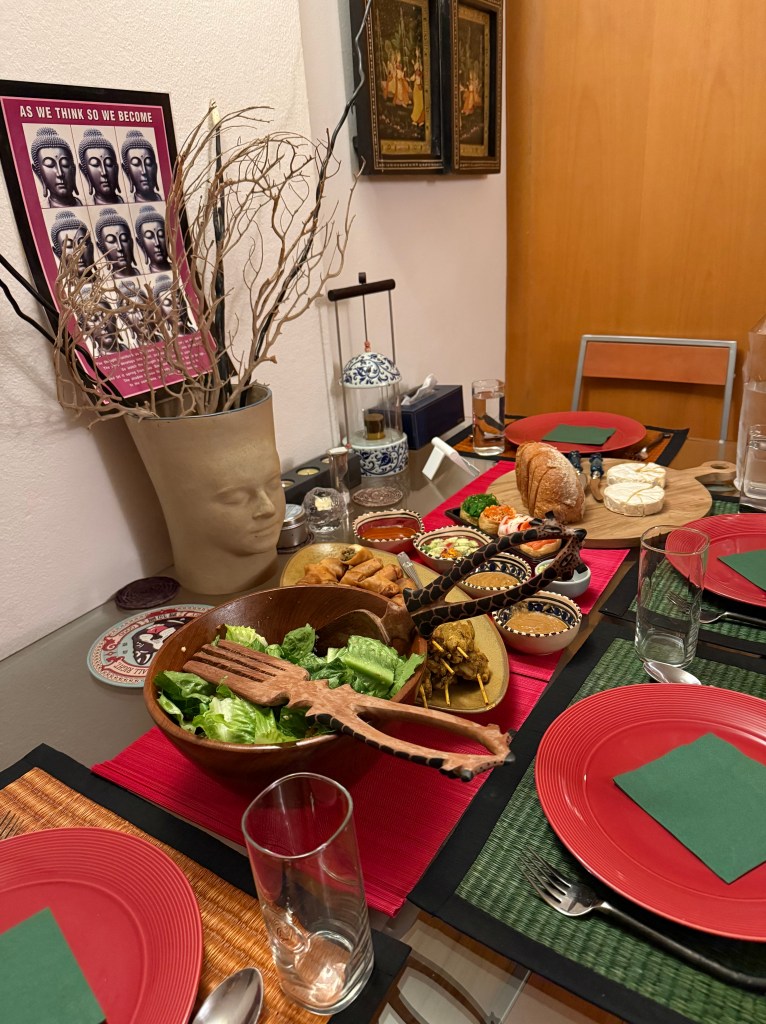
As the echoes of 2025 fade, I find myself sitting in the quiet aftermath of our annual gathering here in Bangkok, thinking about death—but not in the way you might expect.
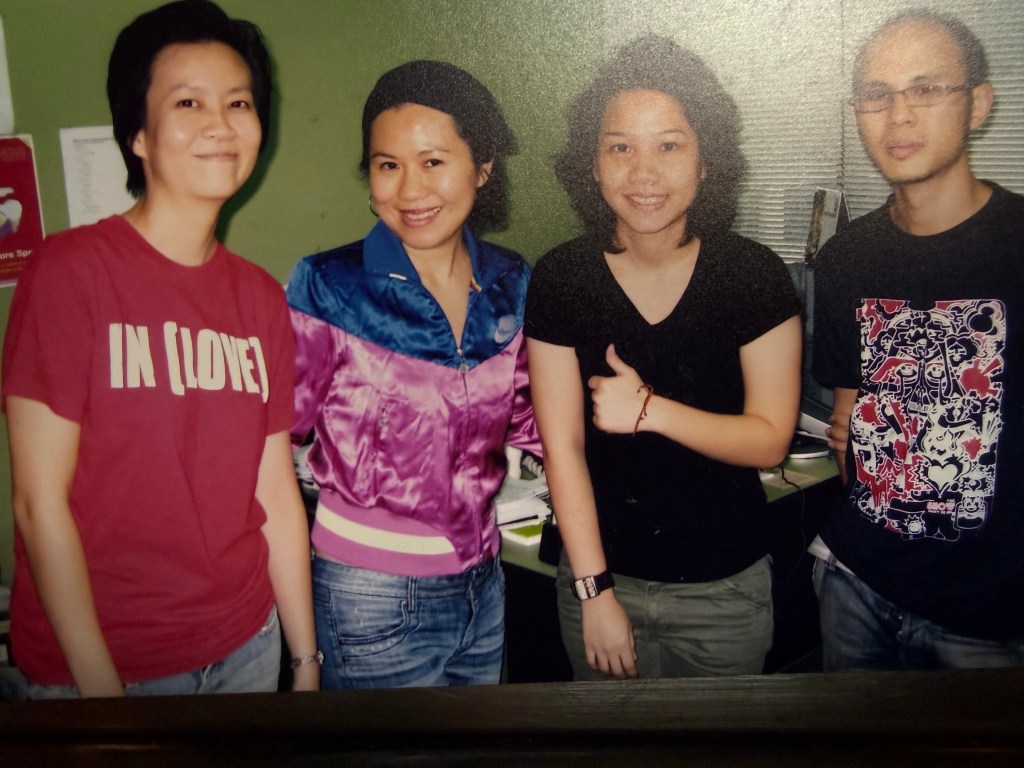
This year, between a book on mortality and the presence of friends who have been by my side for fifteen years, I finally stopped assuming I have ‘later.’ What started as a staff party over a decade ago has evolved into something far more precious: a friendship that outlasts organizational charts and reminds me that living fully is a debt we owe to the present, not the future.

This year’s gathering carried a different weight. Kem, one of my former colleagues, brought copies of a book he had written, illustrated, and produced—a complete creative work inspired by a venerable Thai monk’s teachings on death—and gave one to each of us.
That’s the thing about our team: we were all creative individuals, and that creative spirit hasn’t dimmed in the fifteen years since we’ve worked together. The timing of Kem’s book felt almost cosmically appropriate. Over the past two years, the three of us have each lost someone close—for me, my father. Grief has a way of making certain conversations not just possible but necessary.
The Practice of Letting Go
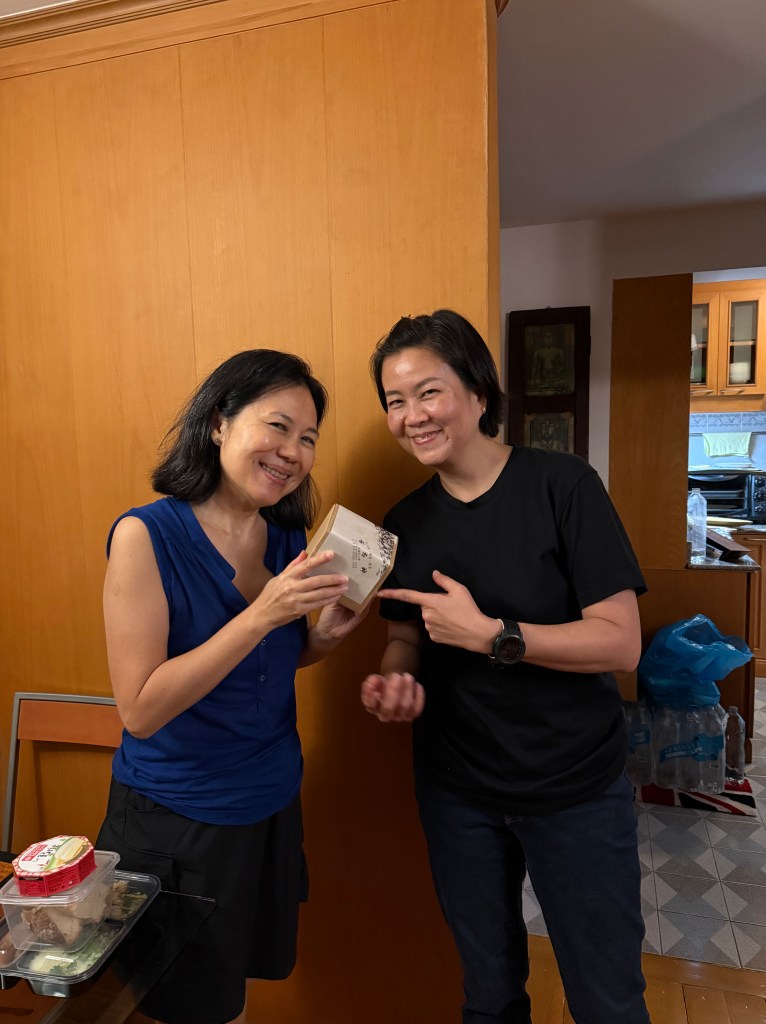
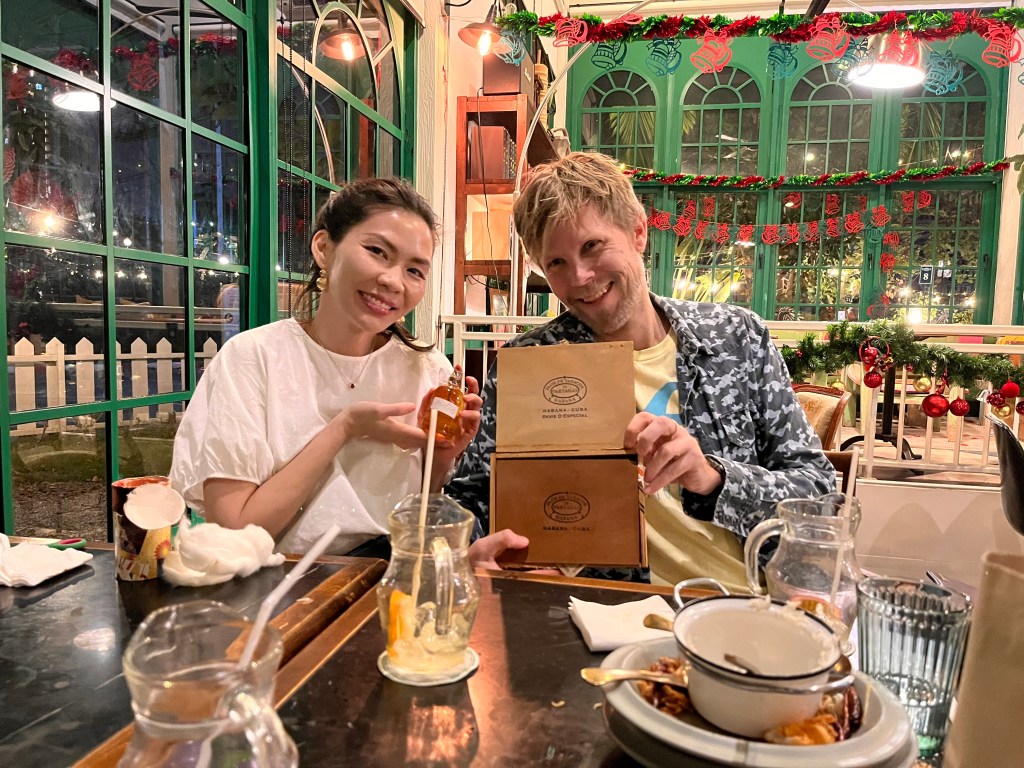
For the past three years, I’ve been engaged in what I call my “decluttering project,” though it’s become something much more meaningful than mere organization. I’ve been giving away my precious collectables—items gathered from extensive travels, things I purchased and held onto because they felt special, objects I told myself I’d use “someday.” You know the ones: the beautiful notebook too nice to write in, the vintage camera waiting for the perfect trip, the artisan tea set saved for a special occasion that never quite arrived.
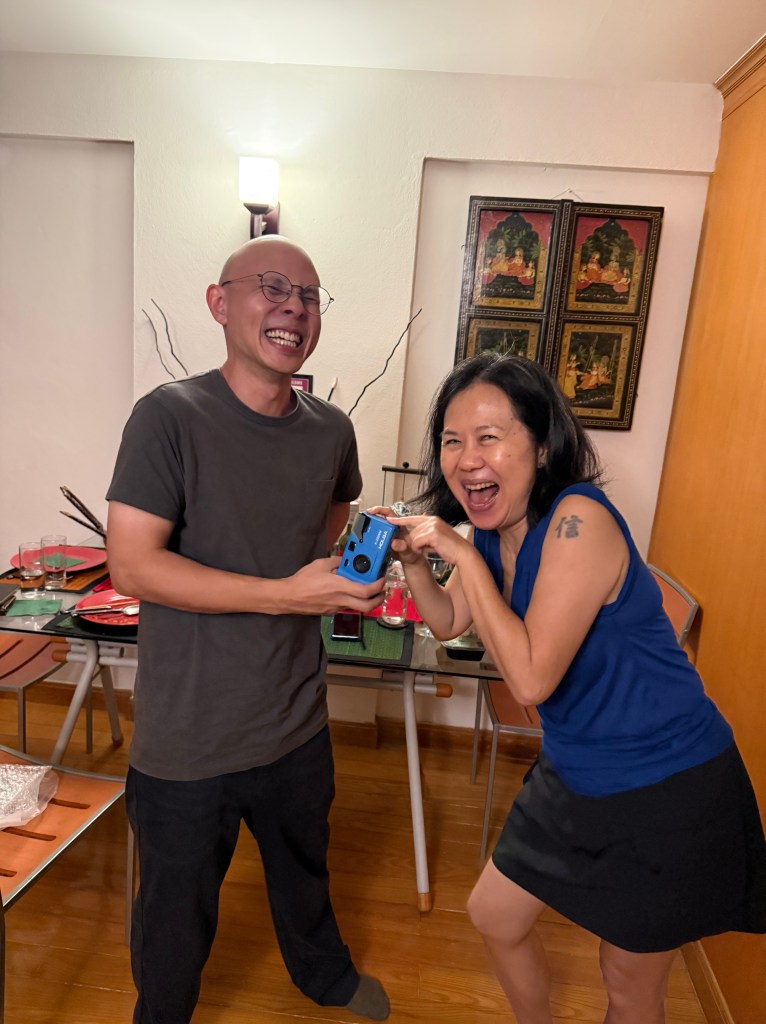
During our last three gatherings, I’ve been intentionally giving these items away. Not because they lost their value to me, but because I finally understood something: their value increases exponentially when they’re actually used, appreciated, lived with. What good is a precious object sitting in storage, waiting for some mythical “right time”? What’s the point of accumulating beautiful things if they never fulfill their purpose?
So I made a decision: use them, plan to use them, or give them away to someone who will.
Speaking While We Can Still Hear Each Other
But this year, I realized my decluttering project had been missing something crucial—the words themselves.
We have this cultural habit of saving our deepest expressions of gratitude and love for the end. We write wills and letters to be opened after we’re gone, as if there’s something noble in withholding these sentiments until we can no longer see their impact. We plan to tell people what they meant to us “someday,” when the timing is perfect, when we have the right words, when it feels less awkward.
I decided I’m done with that.
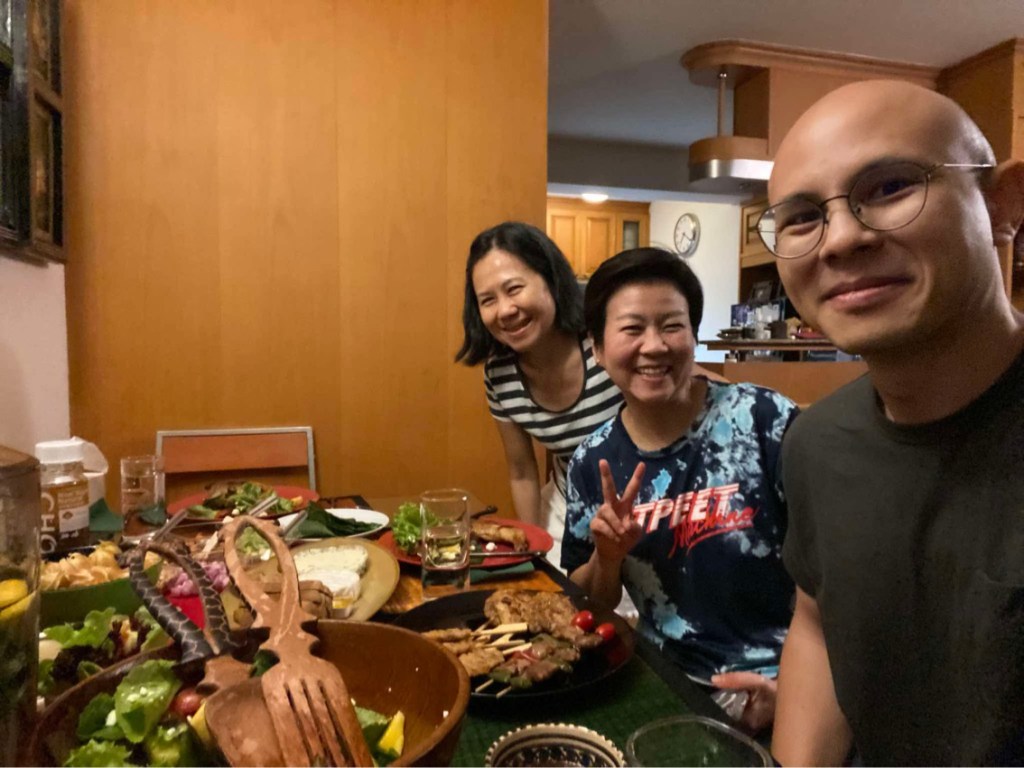
This year, at our gathering, I told my former staff exactly what they mean to me—not through a future letter they might read at my funeral, but face to face, while we’re all still here, still well, still able to share a meal and a laugh together.
The context matters: we only worked together for two years. But what years they were. We were a marketing design company, and together we created some of the coolest products I’ve ever been part of. We won clients I’m still proud of. We ran a profitable unit in Year One and became the exemplary model within our organization. And none of it—not one bit—would have been possible without these three people.
One of them has since migrated to Canada, building a new life thousands of miles away. Yet she has so thoughtfully expressed how I impacted her growth and life. These aren’t the dutiful words of a former employee—these are the reflections of someone who has carried forward something meaningful from our time together. That gift, that reciprocal acknowledgment, is worth more than any collectible I’ve ever owned.
Why Wait?
Here’s the thing about death that Kem’s book, and my father’s passing, and these fifteen years of gatherings have taught me: it’s not morbid to think about it. It’s clarifying. It strips away the trivial and illuminates what actually matters.
We tell ourselves stories about “the right time.” We’ll travel when we retire. We’ll reconnect with old friends when life calms down. We’ll express our gratitude when we find the perfect words. We’ll use the good china when we have important guests. We’ll tell people what they mean to us… eventually.
But life doesn’t calm down. The perfect words never arrive. Eventually keeps receding into the distance.
My mantra has become: don’t wait for tomorrow what you can do today. And I mean that not as a productivity hack or a time-management tip, but as a philosophy of presence and completion.
I prefer not to leave with things undone, words unsaid, experiences unexplored. This isn’t about living recklessly or abandoning planning—it’s about recognizing that the arbitrary lines we draw between “now” and “someday” are often just elaborate forms of avoidance.

The Radical Act of Not Waiting
Unlike the conventional resolutions about fresh starts and self-improvement, my realization is simpler: Stop waiting.
Stop waiting to use the things you love. Stop waiting to visit the places that call to you. Stop waiting to tell people they matter. Stop waiting for retirement to start living the life you actually want.
The end will come—for all of us, in ways we can’t predict. But between now and then, we have this: the annual gathering that keeps happening, the friendships that outlast their original contexts, and the opportunity to say “thank you” while everyone can still hear it.
I’ve spent fifteen years watching this tradition evolve and three years giving away my treasures—watching them become more valuable in others’ hands than they ever were in my storage. And this year, I’ve discovered the most important thing to give away: the words themselves.
I’m not making resolutions about who I’ll become; I’m making commitments about what I won’t defer. I won’t wait to express gratitude. I won’t save experiences for “someday.” I won’t hold back words that need to be spoken.
My colleague’s book, my father’s passing, and these fifteen years of gatherings have taught me that thinking about death isn’t morbid; it’s clarifying. It strips away the trivial and illuminates what actually matters: the people around your table, the generosity of giving, and the radical act of living fully in the present moment.
Don’t wait. Say it now. Do it now. Give it away now. Love now.
Because we’re all here, and we’re all well, and that’s everything.
 Live Life
Leave a comment