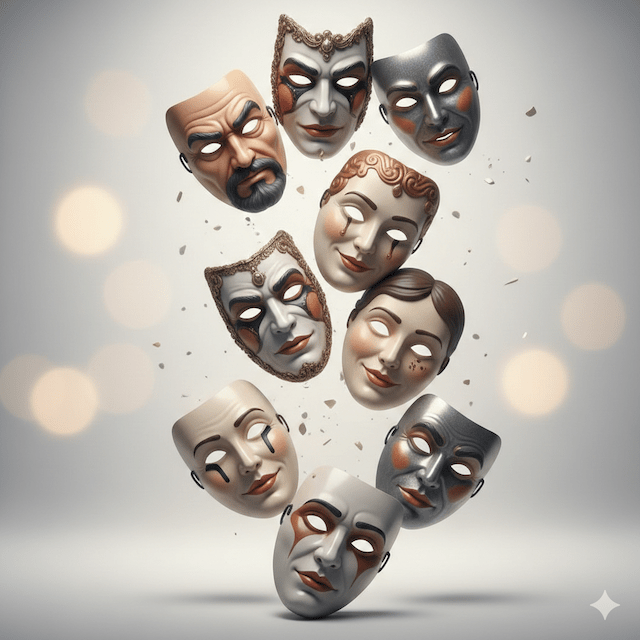
Life is a series of roles—daughter, spouse, parent, professional, caregiver—and each one shapes us in profound ways. But what happens when those roles shift or fade? For many of us, especially as we age, the question isn’t just who we are, but who we want to be when the scripts we’ve followed for decades suddenly change.
I was Jane until I got married. Then I became a wife and a daughter-in-law. In the final years of my father’s life, I was his daughter above all else. After my divorce, I rediscovered Jane again—only to find myself redefining her once more after losing my dad.
Along the way, I’ve watched male friends—men whose identities were deeply tied to their careers—struggle after retirement or major professional shifts. When the work ends, so does the structure, the recognition, the sense of purpose that once anchored them.
If you’re reading this and recognizing yourself in these words, you’re not alone. And more importantly, you’re standing at a threshold that, while uncomfortable, holds remarkable possibility.
The Fluid Nature of Identity
Identity isn’t static. It evolves with our experiences, relationships, and circumstances. Societal expectations often push us into roles that can overshadow our individuality—whether it’s the pressure to be the “perfect” spouse, the dedicated employee, or the selfless caregiver. But when those roles diminish or disappear, we’re left with a question: Who am I without them?
When we accept identity as fluid, transitions stop feeling like failures and start feeling like invitations.
Why Rediscovering Ourselves Matters
If you feel adrift, it’s time for a life audit. This isn’t about your finances; it’s about examining where you spend your energy and identifying which roles no longer serve you.
My own audit began 25 years ago when I relocated to Bangkok to work. In a city where no one knew my “backstory,” I was forced into a high-stakes evaluation of my identity. I had to decide which parts of myself were worth unpacking and which were just old baggage. Since then, my career has taken me to Hong Kong and Shanghai, but Bangkok is the place that keeps calling me back.
Moving between these cultures was the ultimate way to see which of my habits were actually me and which were merely reactions to my environment. Now, with more time on my hands, I find myself savouring the duality of my life: the vibrant energy of Thailand and the deep, formative roots of Singapore, where I was born. This journey taught me that reclaiming your identity isn’t a one-time event—it’s a lifelong process of refinement.
1. Finding Clarity Through Vulnerability
Reconnecting with who we are beneath our roles reminds us that our worth isn’t dependent on being “useful” or productive. My strength didn’t come from being unshakable, but from the raw honesty of being vulnerable. Navigating 25 years in Asia meant facing layers of crisis—from the uncertainty of SARS and the Tsunami to my father’s health crisis while I was living in Shanghai. In those moments, it wasn’t about heartbreak; it was about clarity. It stripped away the superficiality and forced me to see with absolute precision what matters and, more importantly, who matters.
2. The Opportunity for Expansive Growth
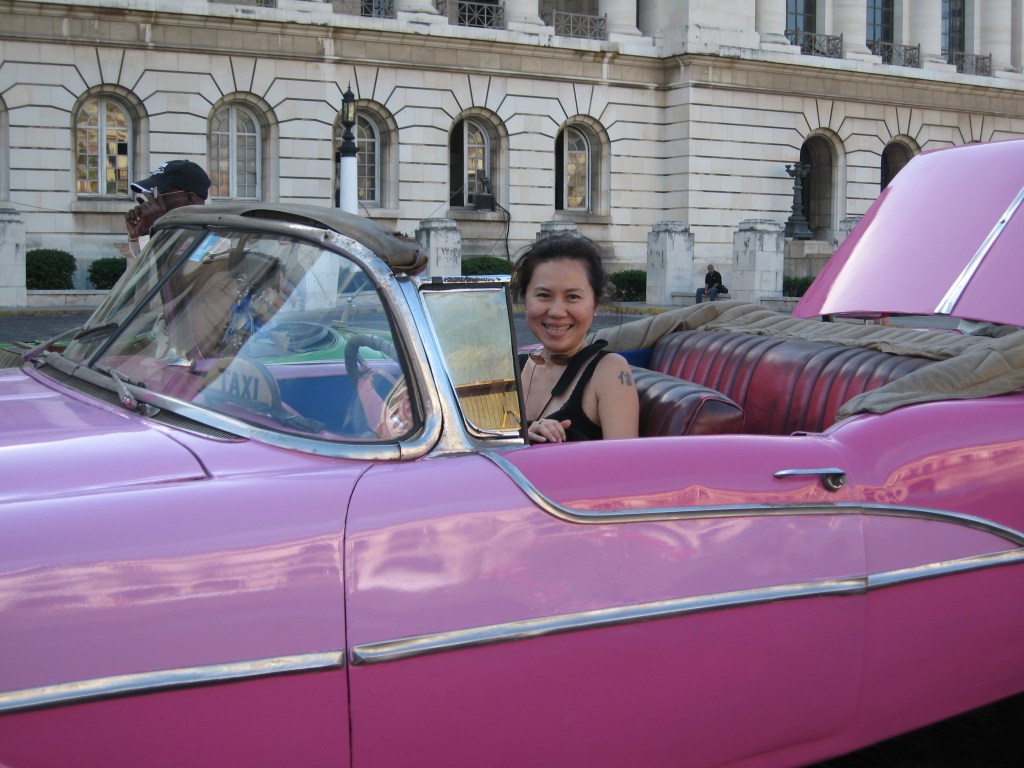
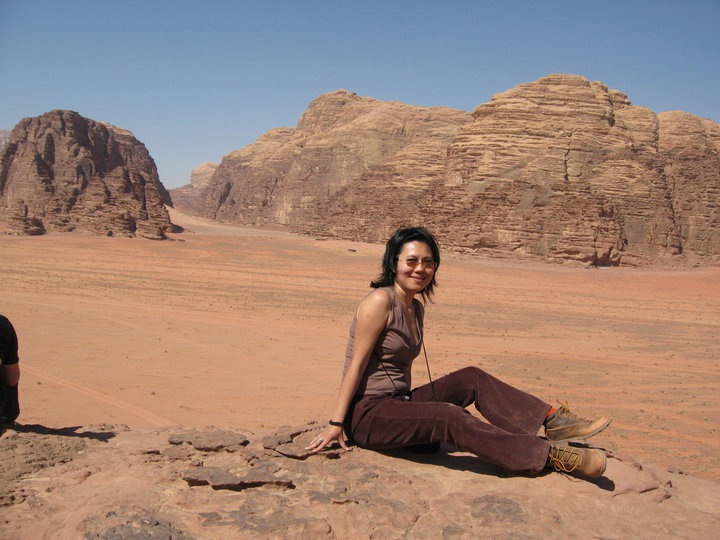
This stage of life is often unfairly framed by “what’s left.” In reality, it is the most expansive chapter yet. Once you’ve stripped away the non-essentials, you are free to pursue a life of curiosity. For me, this meant venturing off the beaten track to Syria, Cuba, and Mongolia. These weren’t just vacations; they were evidence that the girl born in Singapore had evolved into a woman who could navigate the world’s complexities on her own terms, guided by what she discovered during those times of crisis.
3. Creating Authentic Connections
When we stop “performing” a role—whether it’s the perfect spouse or the tireless employee—our relationships transform. They become more honest, more spacious, and more aligned with the “real deal” we discovered during our most vulnerable moments. By knowing who and what matters, we attract people who value us for our essence, not just our output.

The Challenge of Letting Go
Letting go of old identities often comes with grief. For my friends, retirement wasn’t simply the end of a job—it was the loss of daily purpose, structure, and social belonging. Similarly, losing a parent or ending a marriage can leave an unexpected void.
Rediscovery doesn’t require dramatic reinvention. Often, it begins with small, intentional choices.
Revisit old passions
What did you love before life became crowded? Writing, movement, art, long walks? Those interests were never frivolous—they were clues.
Try something new
Novelty has a way of waking us up. Take the class. Join the group. Say yes without needing to be good at it.
Write it out
Journaling can be a quiet companion through change. Try asking yourself:
- What excites me now?
- What feels complete?
- What do I want more of in this next chapter?

Find your people
Recently, I found myself in dance communities—learning Lindy Hop, surrounded by laughter, music, and shared awkwardness. It wasn’t about performance or skill. It was about connection, joy, and remembering how good it feels to move through life with others.
Shared passions have a way of breathing life back into our sense of self.
Embracing the Next Chapter
Rediscovering yourself isn’t about erasing the past; it’s about integrating it into a more authentic present. Whether you’re picking up a long-abandoned hobby, traveling solo, or simply enjoying quiet moments of self-reflection, this stage of life is your canvas.
You are not just the roles you’ve played. You are the sum of your experiences, your resilience, and your capacity to grow. And that’s something to celebrate.
A Question to Ponder
What is one thing you’ve discovered about yourself after a major life change—like retirement, an empty nest, or a new beginning—that you never would have known otherwise?
I’d love to hear from you. Share your stories in the comments below, or tag a friend who is currently navigating their own transition. Your journey might be exactly what someone else needs to hear today.
 Live Life
Leave a comment