Choosing radical honesty over avoidance in our careers, travels, and deepest relationships.

Why We Sweep Things Under the Carpet
There’s a particular kind of relief that comes from pretending something isn’t there.
If you don’t talk about it, maybe it’s not a problem.
If you don’t look too closely, maybe it will quietly dissolve on its own.
If you distract yourself long enough, perhaps it will simply… evaporate.
I’ve tried that before.
It doesn’t work.
At least, not for me.
Over time, I’ve realised something about myself: I am not built for avoidance. I am wired to confront — even when my heart races, even when my mind spirals, even when it would be much easier to look the other way.
And yes, that includes my anxiety.

Anxiety Before I Even Board the Plane
Not many people know this, but I experience anxiety before certain trips — especially when I travel to places that are off the beaten track.
It’s not just about going alone. I’ve felt it even when travelling with another seasoned, equally adventurous friend.
The trigger is usually the same: accessibility.
If a place feels remote, hard to reach, dependent on multiple modes of transport, long transfers, unpredictable connections — my mind immediately fast-forwards.
How am I going to get back quickly if I need to?
What if something happens?
What if I have to retrace all those complicated steps in a hurry?
My anxiety is not about the destination.
It’s about the exit route.
This was particularly acute more than twenty years ago when I travelled to the Gobi Desert and Ladakh — long before mobile phones were something we casually carried in our pockets. Back then, communication wasn’t instant. You were truly out of reach.
And that reality amplified everything.
On the outside, it probably looked bold. Adventurous. Fearless.
On the inside, my mind was calculating distances, contingencies, transport changes, “what if” scenarios.
Over the years, I’ve tried to understand it rather than suppress it. I have gone for hypnotherapy. I was once prescribed anxiety medication — mostly as a backup. Not because I wanted to rely on it, but because I believe in preparing responsibly.
Preparation, to me, is not weakness. It is respect for reality.
The easier choice would have been to stop going to such places. To decide that remote destinations were simply “not for me.”
But that would be avoidance.
And avoidance doesn’t remove fear. It simply redraws the boundaries of your world.
So I go anyway.
Not because the anxiety disappears.
Not because I never calculate the escape route.
But because I refuse to let fear quietly shrink my life.
At Work: Own It, Then Solve It
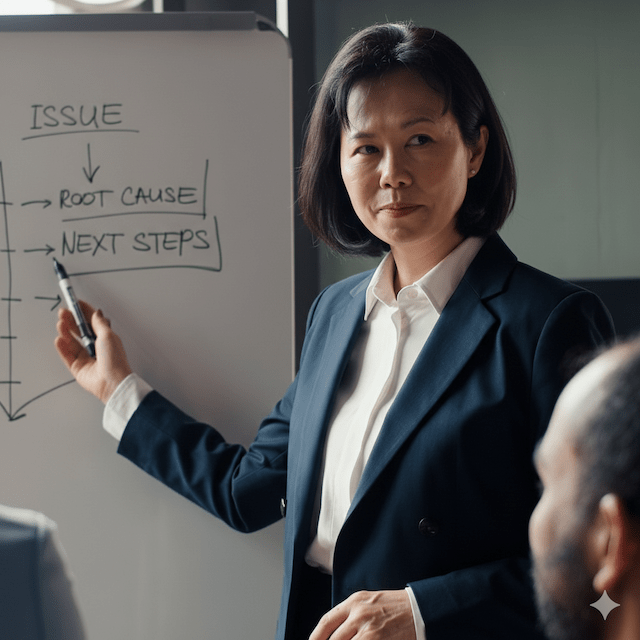
I always carried the same philosophy into my work life.
When a problem arises, it’s tempting to explain it away. To clarify that it wasn’t entirely your fault. To add context. To soften the edges.
And sometimes, context matters.
But I’ve found that the most powerful position is this: own the problem, then present the solution.
Even if I was only partially responsible.
Even if external factors played a role.
Even if it feels slightly unfair.
Owning something doesn’t mean self-blame. It means stepping forward instead of stepping aside.
I have seen how quickly people rush to defend themselves. It’s human. We all want to protect our image.
But strangely, the more I focused on solutions rather than explanations, the lighter I felt. Cleaner. Clearer.
There is peace in accountability.
In Love: Understanding Is Not Excusing
Relationships are perhaps where avoidance does the most damage.
When something breaks — when trust is shaken, when betrayal happens — the reflex reaction is often immediate and sharp.
“He cheated.”
Full stop. End of story.
But rarely is it that simple.
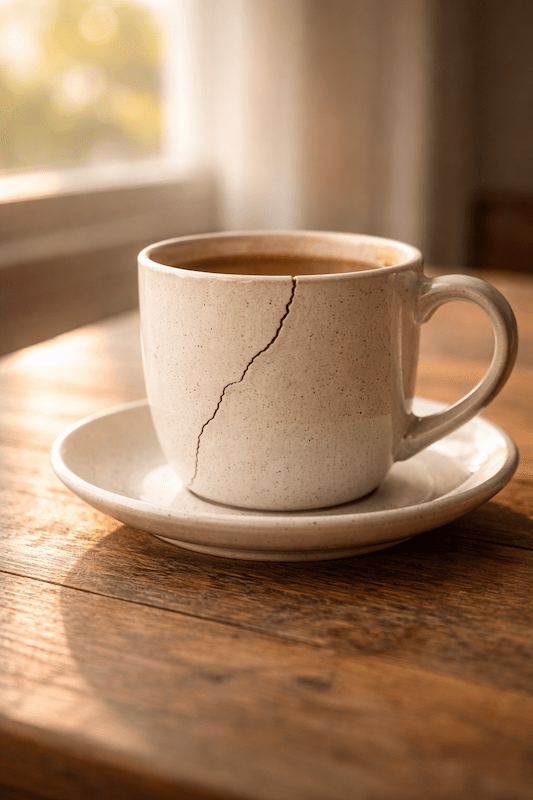
I am not defending poor behaviour. I am not excusing hurt. But I have learned that jumping to a single headline explanation often hides a more complex truth.
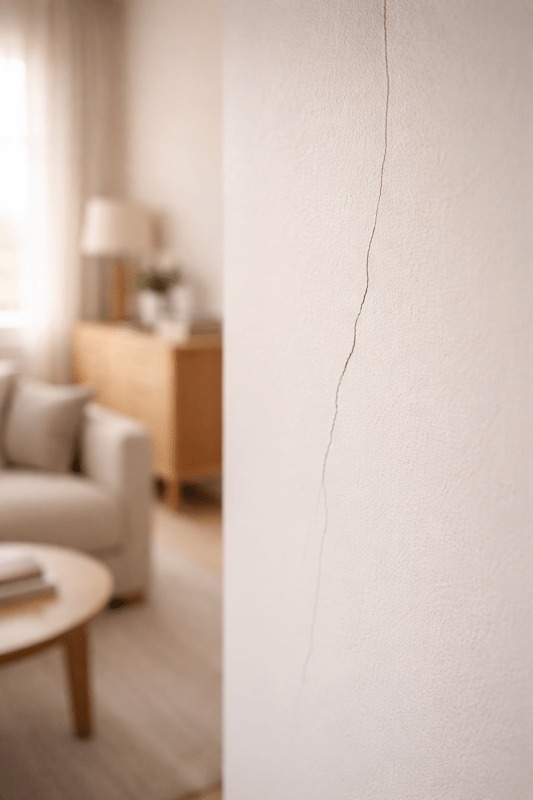
Were there cracks long before the final incident?
Were needs unspoken?
Was distance growing quietly in the background?
Understanding does not erase responsibility. But it does soften resentment.
And resentment, if left unattended, is heavy. Heavier than truth.
For my own mental health, I would rather examine the cracks than cling to a simplified villain story. It may not feel as satisfying in the short term, but it feels more honest.
And honesty is lighter to carry.
Why Avoidance Always Comes Back
What I’ve noticed — in travel, in work, in love — is this:
Avoidance doesn’t eliminate the problem.
It reshapes it.
Ignored anxiety becomes limitation.
Unaddressed work issues become reputation damage.
Unexamined relationship pain becomes bitterness.
The bill always arrives.
Maybe not immediately.
Maybe not dramatically.
But eventually.
I would rather feel discomfort now than be ambushed by it later.
That, to me, is emotional hygiene.
The Kind of Peace I Want
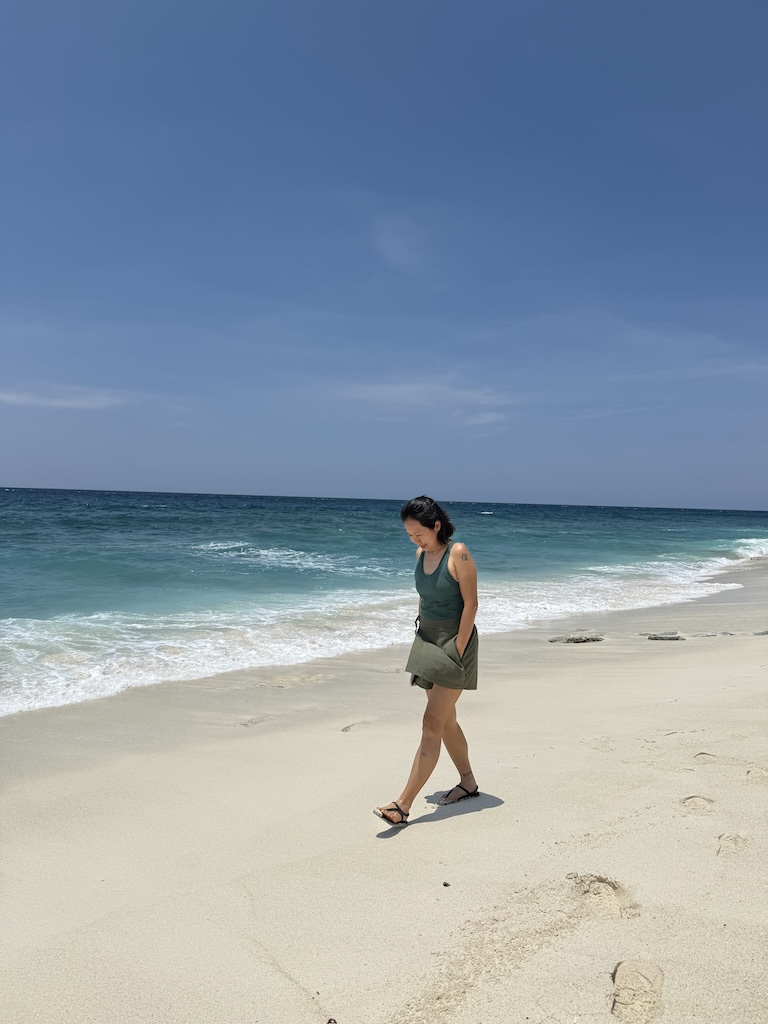
I am not fearless.
I overthink.
I worry.
I prepare backup plans for my backup plans.
But I also face things.
Not perfectly. Not always gracefully. But deliberately.
I could sweep things under the carpet.
It would certainly look neater.
But I’ve learned something about carpets — the more you hide beneath them, the more you risk tripping over the lump later.
So I lift the corners.
Not because I enjoy what I find.
Not because I never feel anxious.
But because I prefer a slightly messy truth to a beautifully arranged illusion.
And that, for me, is a healthier way to live.
 Live Life
Leave a comment