
There are moments that arrive quietly and rearrange something inside you.
Recently, I heard that a dear friend’s husband passed away. It was unexpected. He was in his 50s — the kind of age where we assume there is still time.
The news didn’t send me into panic. It didn’t unravel me.
It simply reminded me.
We are not as in control as we like to think.
And perhaps we never were.
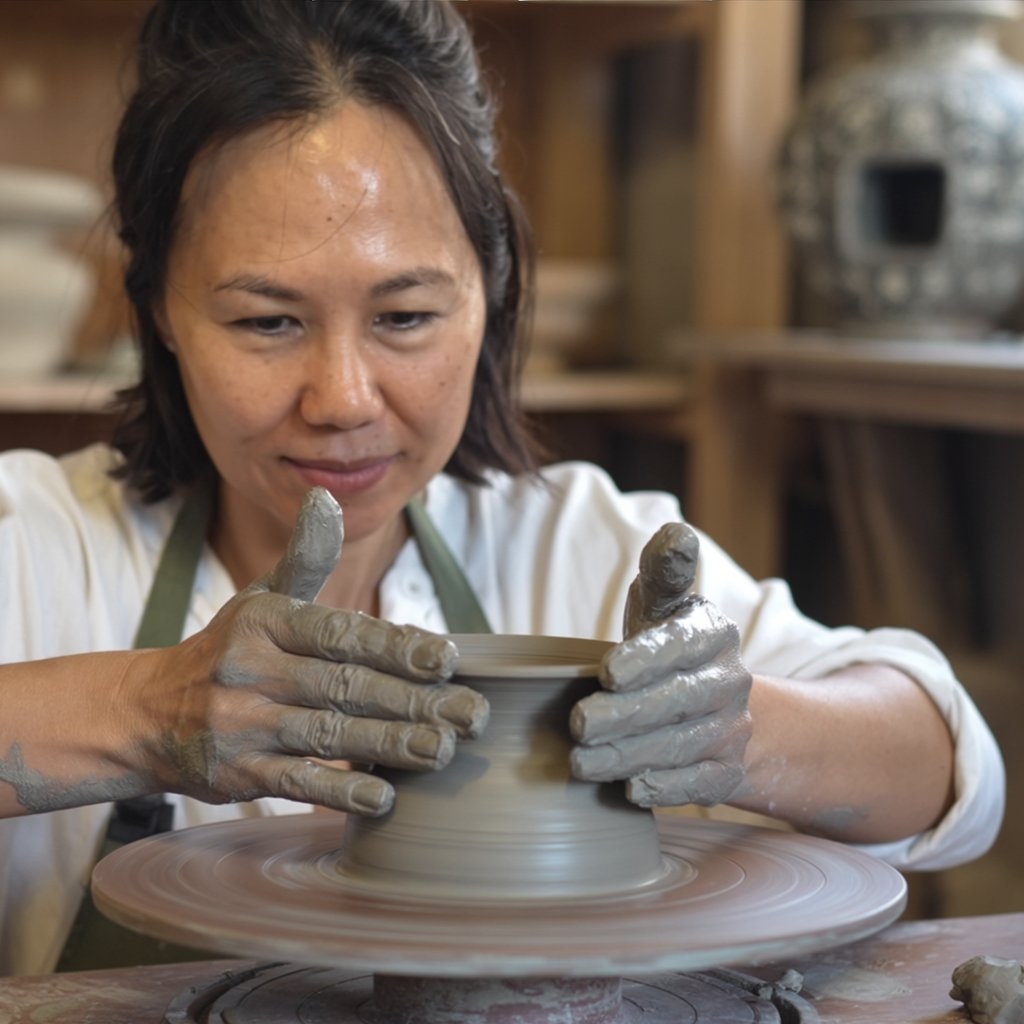
I Didn’t Exactly “Figure It All Out”
Let me confess something.
I wasn’t the studious, hyper-disciplined type growing up. I didn’t map out a master plan. I didn’t calculate every move with strategic precision.
And yet, I landed a good job. I stayed in it for over 16 years.
Stable. Predictable. Comfortable.
Comfort can be lovely — until it becomes a chair you sit in for too long.
At some point, I realised I was still young enough to take a risk. So I left.
At the time, it felt bold. Intentional. Empowered.
Life, however, did not follow the tidy upward trajectory I had quietly assumed it would.
That is the thing about control — it works beautifully… until it doesn’t.

The Door That Closed — And The Ones That Opened
When my marriage ended, life veered further from the picture I once thought I was supposed to have.
You know the one.
The media-perfect version — stable marriage, tidy milestones, children appearing on schedule. The script many of us are quietly handed without realising it.
That was not my path.
And for a while, that felt like deviation.
But one thing I have learned is this: when one door closes, it rarely leaves you standing before a brick wall. More often, it opens a corridor you did not know existed.
After my divorce, I entered two deeply meaningful relationships. Different seasons. Different lessons. Both real.
And although I am single now, I cannot say my life shrank.
In fact, it expanded.
Without the weight of expectation — or the guilt of uprooting a family — I relocated. I explored new cities. I took on different roles. I widened my lens.
The world became larger.
I became more globally minded, more adaptive, more curious.
It was not the life I had originally imagined.
But it was not lesser.
It was simply different.
And perhaps this is another illusion we carry — that happiness must follow one approved blueprint.
Life did not give me the brochure version.
It gave me movement.
And in that movement, I found growth.
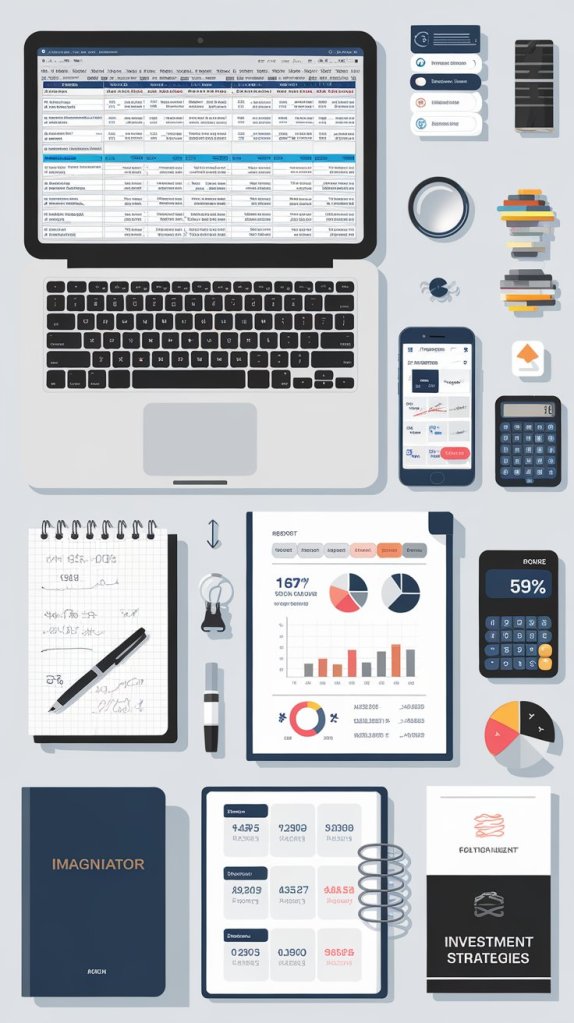
Micro Control vs Macro Reality
I did save money — not obsessively, not brilliantly — but responsibly enough. I did not spend wildly beyond my means.
Still, recently, I caught myself thinking:
If I had been more disciplined, I would be so much more financially comfortable now.
That thought could spiral into regret.
Or it could become information.
I’ve enrolled in the Dalio Market Principles Programme, developed with Ray Dalio — founder and mentor of Bridgewater Associates — where he teaches his macro investing frameworks directly. It is immersive, rigorous, and humbling in the best way.
What strikes me most is not the complexity of markets, but the emphasis on principles. Patterns. Cause and effect across time.
Study history.
Understand cycles.
Build your own principles.
Not to control the future — but to navigate it intelligently.
That distinction matters.
I am not trying to rewind my past financial decisions.
I am trying to sharpen how I think going forward.
Not defeated.
Smartened up.
And perhaps that, too, is a form of maturity.
Living in an Era of Layered Uncertainty
Maybe the world has always been dynamic.
But today, that dynamism feels amplified.
Artificial intelligence is reshaping entire industries at breathtaking speed. Climate patterns are shifting in ways that disrupt economies and livelihoods. Trade tensions flare and cool, only to flare again. And more recently, conflict involving Iran has reminded us how quickly regional instability can ripple outward into global markets and everyday life.
These forces do not exist in isolation. They intersect. They compound. A technological shift influences jobs. A geopolitical conflict influences energy prices. A climate event influences supply chains.
Perhaps we are not just noticing unpredictability more.
Perhaps we are living in an era of layered uncertainty — where shocks travel faster and consequences reach farther.
And maybe that is why so many of us feel unsettled.
When the world feels this interconnected and volatile, the illusion of control becomes even more seductive. We want certainty. We want guarantees. We want assurances that if we make the “right” moves, we will be protected from disruption.
But scale matters.
I cannot influence global conflict.
I cannot slow technological acceleration.
I cannot stabilise the climate alone.
What I can influence is how I meet these realities.
Whether I respond with paralysis or perspective.
Whether I harden in fear or soften into adaptability.
Whether I cling — or recalibrate.
Growing Older, Gripping Less Tightly
Somewhere in the last few years, I have stopped being shocked by change.
Not because I am indifferent.
But because I no longer expect permanence.
I think of it as living in fluid mode.
Fluid mode is not carelessness. It is not drifting without responsibility.
I still choose what to eat.
I still manage what I can.
I still try to make thoughtful decisions.
But I no longer mistake micro control for macro certainty.
The macro will always be larger than the micro.
History suggests that instability is not an interruption — it is a pattern.
And in my own small history, the same is true.
Jobs change. Relationships begin and end. Financial decisions compound — wisely or imperfectly. Plans dissolve. New paths emerge.
I may not control the tides.
But I can learn to swim with them.
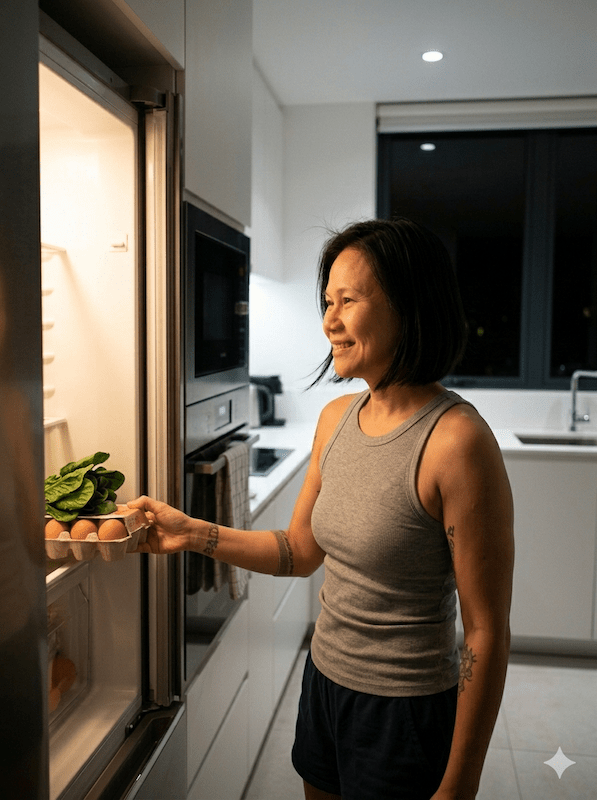
Tonight, I will decide what to have for dinner.
And I will be quietly grateful for the small, steady controls I do have — without mistaking them for guarantees.
That feels like enough.
We are all navigating our own versions of “fluid mode” right now. Which area of your life are you learning to grip a little less tightly? I’d love to hear your thoughts in the comments below.
 Live Life
Leave a comment