
We all have routines we’ve labeled as “bad habits”—scrolling endlessly through a digital hum, snacking when the body isn’t hungry, or seeking out the fleeting high of a new acquisition. Often, we treat these behaviors as a simple lack of discipline.
But for many of us, the patterns run deeper and the stakes are much higher. It isn’t just about an impulse buy online; it’s about the high-stakes pressure of FOMO—the fear that if we don’t secure that landed property, we are somehow falling behind. We make the emotionally driven decision to over-leverage our futures, committing to a heavy mortgage we know will strain us, all for the sake of a present-day image. This extends to the driveway, too: choosing the high-interest loan for a premium, status-heavy car when a functional, reliable vehicle would serve our needs perfectly. These “big ticket” symbols often become heavy proxies for a self-worth we haven’t quite found within.
What if these actions aren’t just mistakes? What if they are quiet signals, acting as blueprints for something deeper?
Insecurity—that subtle, nagging sense of not being “enough”—often acts as the hidden architect of our daily lives. It lurks beneath the surface, shaping our drive for prestige to avoid the weight of stillness. When we recognize these habits as clunky attempts to meet emotional needs, we stop fighting ourselves and start listening.
Let’s explore the many masks insecurity wears, and why understanding its role is the first step toward a more purposeful, exuberant life.
The Psychology of Overeating

1. Overeating: Filling the Emotional Void with Physical Volume
It’s rarely just about hunger. Often, it’s about a fleeting sense of grounding in a world that feels untethered. Food can act as a reliable, albeit temporary, anchor when loneliness or restlessness creeps in. That extra slice of cake or the late-night kitchen raid is often less about appetite and more about soothing a deeper craving for connection, validation, or a moment of stillness in a chaotic world.
Reflection: Next time you reach for a snack, ask yourself: Am I hungry, or am I trying to fill something else?
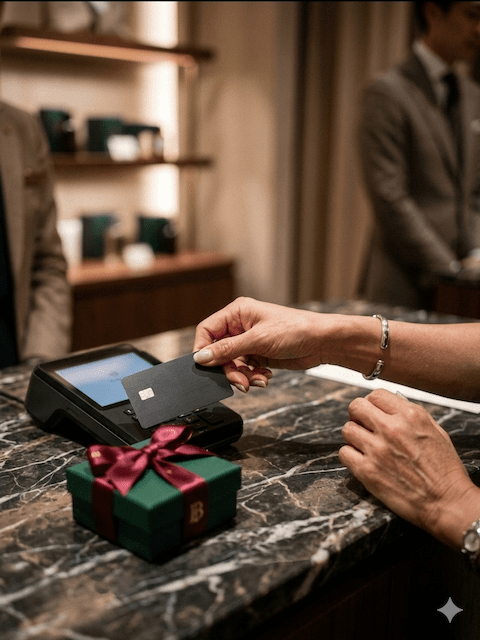
2. Overspending: Purchasing a Proxy for Self-Worth
I know this trap because I didn’t just live in it; I worked at its very center. My career path was a masterclass in the psychology of prestige. I spent years in Shanghai running a media office, before moving to Hong Kong to work for a unit of a leading credit card company that catered specifically to high-net-worth individuals.
During those years, my weekend shopping was an exercise in “performance.” I bought outfits I never repeated, comforting myself with the narrative that my job demanded it. While my role required a certain polish, the truth was that I was using those acquisitions to buy a version of myself that felt “enough.”
It wasn’t just the big-ticket items. I hoarded “extras” of everything—CDs I never listened to, DVDs I never watched, and stacks of books that remained unread. Even on a trip to Egypt, the “scarcity mindset” took over; I bought massive papyrus scrolls of Cleopatra and bottles of perfume I still have today, fueled by the fear that I might never return.
The wake-up call came when I chose a sabbatical followed by an NGO role that paid significantly less. It was a radical shift from the world of high-net-worth luxury to the world of high-impact service. It forced me to confront the reality that my value wasn’t tied to my wardrobe or my zip code.
Today, I still appreciate luxury—I have a deep love for a truly beautiful resort—but it is no longer an impulsive search for worth. It is a thoughtful choice, done sparingly and intentionally. I no longer need the “stuff” to prove I belong in the room.
Reflection: Take a look at your largest monthly commitments or your most recent “big ticket” purchases. Ask yourself: If I didn’t have to show these to anyone or tell anyone about them, would I still want them? Which of these are for my true comfort, and which are “costumes” I’m wearing to prove I belong?

3. Busyness: Creating the Illusion of Importance to Outrun Stillness
Being “busy” has become a badge of honor, a way to prove our worth in a world that glorifies productivity. But constant busyness can also be a shield, protecting us from facing uncomfortable emotions or the fear of being left behind. If we’re always moving, we never have to sit with the question: Am I enough just as I am?
Reflection: Try leaving a gap in your schedule this week. Notice what comes up when you’re not distracted by doing.
4. Distraction: Searching for Digital Noise to Drown Out Quiet Thoughts
Whether it’s doomscrolling, binge-watching, or jumping from one task to the next, constant distraction keeps us from being present with ourselves. It is far easier to lose hours in a digital hum than to confront the quiet, persistent voices asking: What do I really want? What am I avoiding? We use the noise of the world to outrun the silence of our own growth.
Reflection: Set a timer for 10 minutes of undistracted time. What thoughts or feelings arise when you’re not occupied?
Why This Matters
These behaviors aren’t flaws; they’re coping mechanisms. They’re how we’ve learned to navigate a world that often feels uncertain or unwelcoming. But when we recognize them for what they are—attempts to meet emotional needs—we can start to address the root cause instead of just the symptoms.
The shift begins with curiosity, not judgment. Instead of berating yourself for “failing” at willpower, get curious: What am I really hungry for? What am I trying to prove? What am I afraid to feel?
A Kinder Approach: Shifting from Judgment to Radical Curiosity
Transformation doesn’t require an overnight overhaul of your personality. Real change begins in the small, quiet moments where we stop performing and start living for ourselves.
To break the cycle of insecurity-driven habits, try these four steps:
- Name the Need: Strip away the label of “bad habit” and identify the underlying emotion. Instead of “I’m overspending,” try, “I’m looking for a way to feel significant.”
- The Power of the Pause: Create a small “buffer zone” before you act. That ten-second breath is often all it takes to realize you don’t actually need the item—you just needed a moment to check in with yourself.
- Acknowledge and Pivot: If you catch yourself slipping into old patterns, don’t waste energy on criticism. Acknowledge it, move on, and make a choice that is closer to who you are today rather than who you were “supposed” to be.
- The “Audience-Free” Test: Ask yourself: If no one ever saw this purchase, this outfit, or this busy schedule, would I still want it? At this stage in our lives, the only person we truly need to satisfy is the one looking back at us in the mirror.
The Freedom of Understanding: Habits as Messages
When we begin to view our behaviors as messages rather than mistakes, we stop fighting ourselves and start listening. This shift in perspective is where true freedom lives. It is the journey I took from the high-pressure, image-conscious streets of Shanghai and Hong Kong to the clarity of a life built on my own terms.
We move away from the “discipline” of self-denial and toward the “discernment” of self-respect. We stop buying for an audience and start investing in our own peace.
Over to You: Which of these “shields”—the busyness, the spending, or the digital noise—has been your most loyal companion? I’d love to hear your thoughts or stories in the comments. Let’s learn from each other.
 Live Life
Leave a comment