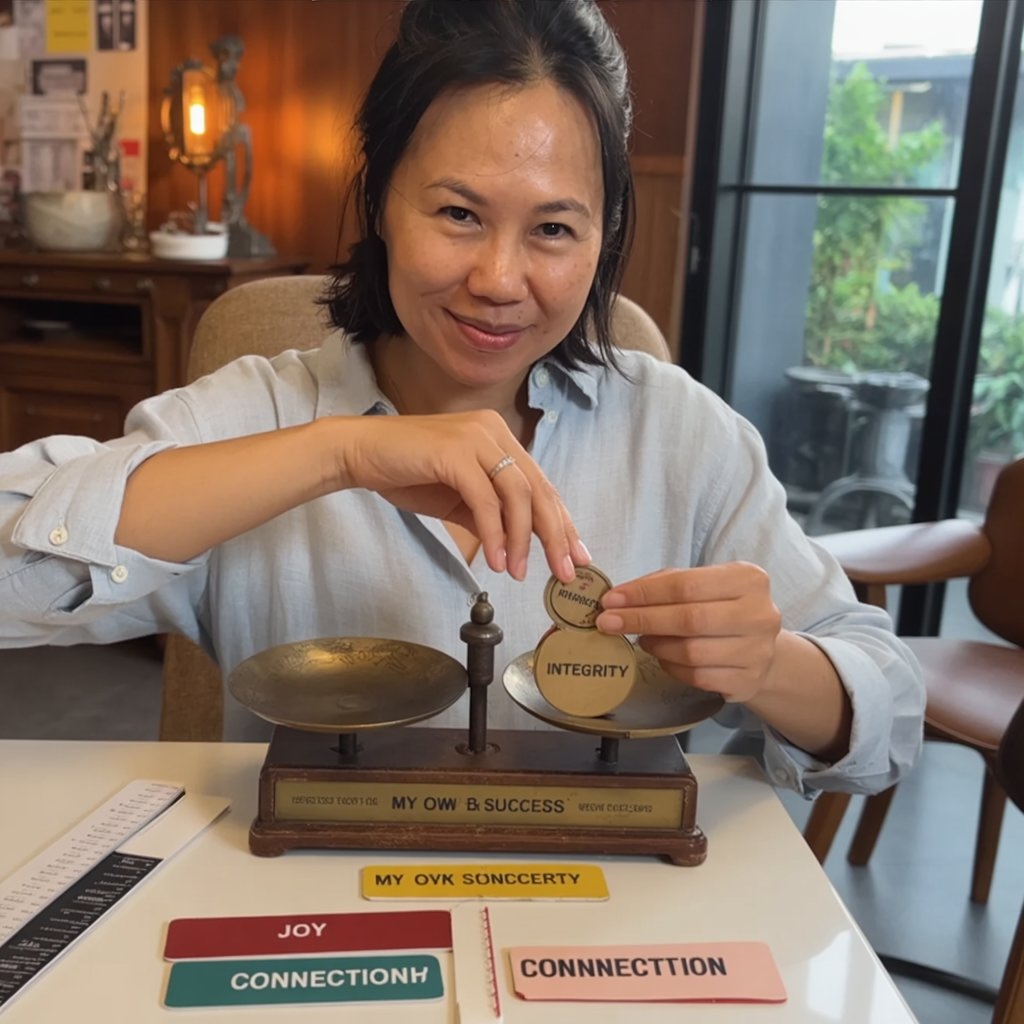
I’ve realized something over the years: I was never really a “fit in” kind of person. It wasn’t a rebellious or dramatic choice; it was more of a creative necessity.
I still remember the sting of not being chosen for the popular dance group in school. At the time, it hurt. But instead of trying harder to be accepted by a group that didn’t see me, I did something else: I created my own.
Looking back, that instinct was a turning point. I didn’t reject the idea of belonging—I just redefined it. In a small, poetic full-circle moment, my group was eventually invited to perform as the opening act alongside the very group that had rejected me. It wasn’t about “winning”; it was a quiet realization that there is always more than one way to belong.
Learning When to Respect vs. When to Step Away
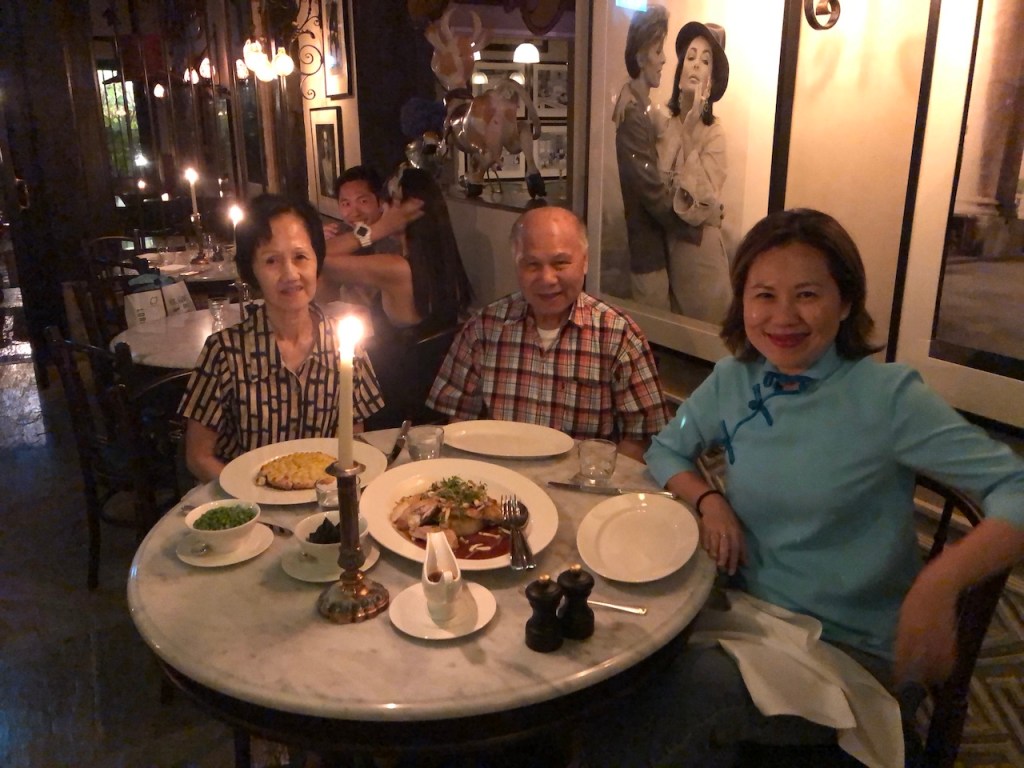
But life evolves. While I respected my father’s wishes during those earlier years, getting married provided the natural pivot point to finally step away from those inherited obligations. It wasn’t an act of defiance; it was the first time I felt I could quietly redefine what tradition looked like for me.
That shift became my new status quo. Even after my life transitioned again through divorce, I chose not to revert to old patterns of seeking external approval. I maintained the bar I had set for myself. I realized that my decisions didn’t require validation from a partner, a parent, or a cultural script—they only needed to be honest to who I am now.
To many, this was more than just a personal shift—it felt “politically incorrect.” In a culture where the traditional movements of the New Year are so deeply ingrained, stepping away from the conventional script was seen as odd.
The Subtle Pull of Validation
I see this same struggle today, even among my most accomplished and successful friends. The need for validation is a lingering shadow.
It shows up in subtle ways:
- A hesitation before owning a high-stakes decision.
- The quiet “check-in” with a boss to ensure an opinion is “correct.”
- A lingering “is this okay?” before taking a personal risk.
The habit of seeking approval doesn’t disappear just because we’ve achieved our goals. If anything, the need for validation becomes more refined and harder to spot.

Owning My Decisions (The Good and the Questionable)
I’ve made excellent decisions, and I’ve made questionable ones. But I’ve reached a point where I don’t feel the need to apologize for either.
There is a unique steadiness that comes from ownership. It’s not about achieving perfection; it’s about the freedom to learn, adjust, and move on without waiting for a third party to tell you it’s okay. Success stopped being something I needed reflected back to me in the eyes of others. It became something I could recognize on my own.
This isn’t a “how-to” guide. It’s just an observation. Even now, many of us carry the quiet weight of needing approval—waiting for someone else to confirm that our choices are “correct.”
What if we started to question that weight? What if we loosened our grip on the need for external permission? There is an incredible, understated freedom in trusting your own decisions—even when they are imperfect, and even when they don’t make complete sense to anyone else.
It doesn’t make life louder.
But it does make it lighter.
And these days, that feels like a pretty good measure of success.
 Live Life
Leave a comment