Solo Travel and Active Aging: Why I Stopped Waiting for the “Perfect Time”
On mortality, wake-up calls, and why a surgery in my 30s sent me — gingerly — to Melbourne, then eventually to Syria, Jordan and Cuba.

In recent months, I have watched friends — people slightly younger than me, in their early 50s — lose people they love. Not to old age, not to a long and winding illness with time to say goodbye. To cancer that moved fast. To a brain haemorrhage that gave no warning. To a heart attack that arrived without an invitation and stayed permanently.
Death has a particularly rude way of showing up. It never sends a calendar invite.
The two kinds of people a funeral leaves behind
I have noticed, over years of watching people process grief, that loss tends to sort the living into two camps. There are those who walk away from the wake and genuinely recalibrate — they quit the job, plan the trip, have the conversation they have been deferring for three years. And then there are those who go home, pour a stiff drink, feel the weight of it… and by Monday morning, resume exactly the life they were living before.
Neither response is wrong, exactly. Grief is not a productivity tool. But one of them tends to lead somewhere. The other tends to lead back to the same sofa.
“Death has a particularly rude way of showing up. It never sends a calendar invite.”
My wake-up call came earlier than most
I got my own version of this reckoning in my early 30s. A growth was found. I do not remember now whether the test results took one week or two — time moves strangely when you are waiting for news about your own body — but I remember with crystal clarity the relief when they came back negative. Benign. The word “benign” had never sounded so beautiful in my life.
I had the surgery scheduled as soon as the surgeon had a slot. And then I had six weeks of medical leave stretching out in front of me.
Here is where my story takes a turn that most people would not have predicted.
A surgical recovery is no reason to stay home
I asked my doctor — very nicely, very seriously — whether it was safe to travel during my medical leave. He said yes, as long as I was sensible about it. So I took two of my six weeks and got on a plane. Not to anywhere dramatic. Not to anywhere that would raise eyebrows and earn gasps at a dinner party. I went to Melbourne.
I chose Melbourne because it was close to Singapore. Because it was English-speaking. Because it was a developed country with reliable hospitals, should anything go wrong. I was 30-something, freshly post-surgery, and embarking on my first ever solo trip. I was not about to open with Cuba.
I had a good friend based in Sydney and built my itinerary around a slice of proper solo discovery time in Melbourne before heading up. Nothing extreme. Nothing reckless. Just me, a city I had never been to, and the odd realisation that I was — against all expectations — rather enjoying my own company.
“I was not about to open with Cuba.”

The headstart nobody asks for but some of us get
That trip changed something in me. Not dramatically, not overnight — more like a slow geological shift. Something settled into place. The understanding that time is not a waiting room. That life does not actually begin once the inbox is cleared, the mortgage is lower or the timing is better.
I had been given a warning — a gentle one, as these things go — and I used it. Not to become fearless (I am not fearless; I just act anyway), but to become more deliberate. To stop assuming there would always be a “later” in which to do the things that mattered.
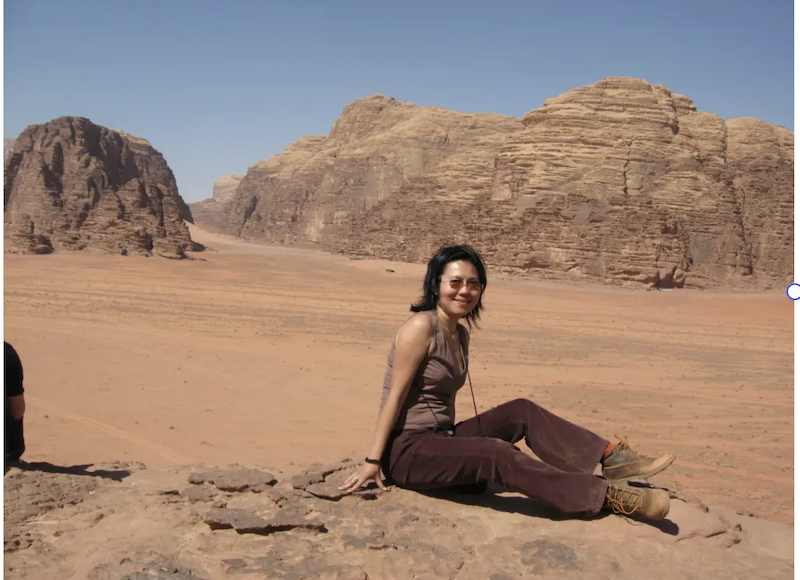
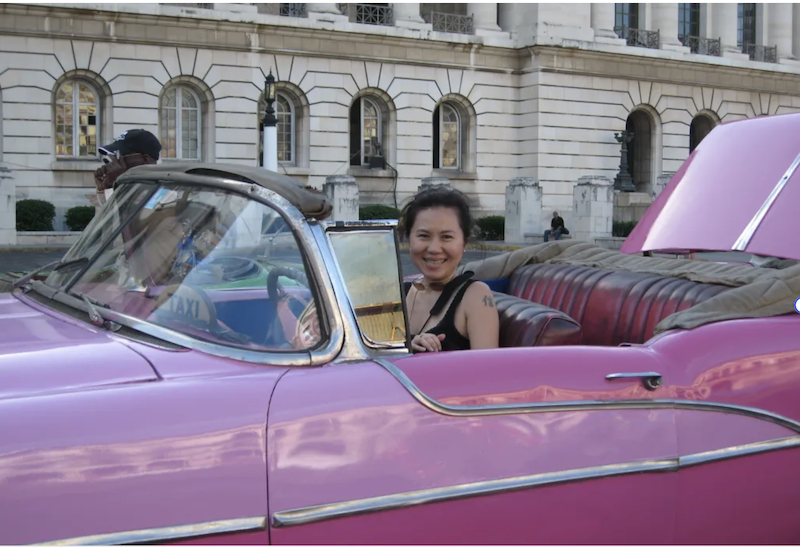
Melbourne led to Sydney. Sydney led to further. Further led, eventually, to Egypt, Jordan and Cuba and places where I did not speak the language or understand the culture and had to figure it out — which, it turns out, is the whole point. I had a headstart, I admit. A health scare in your early 30s is a grim kind of head start, but it is a head start nonetheless. I had already done the reckoning that my friends in their 50s are only now beginning.
What I want to say to those of us still here
I am still figuring things out, which I have come to believe is a sign of life rather than a sign of failure.
And when I hear about another contemporary gone too soon—another doctor, another father, another person who was “absolutely going to take that trip next year”—I feel it differently than I might have. Not with distance, but with recognition.
We are all going to go. The question is whether we go having lived, or having merely intended to.
If something has shaken you recently—a diagnosis, a loss, or a quiet 3 a.m. moment where the future felt uncertain—I would gently suggest: do not wait for the timing to be perfect. The timing will never be perfect. Book the trip. Have the conversation. Leave the job that is eating you alive.
Do not do it in a reckless way. Do it in a “Melbourne way”—considered, sensible, within your limits—but do it.
You can always graduate to Jordan later.
 Live Life
Leave a comment