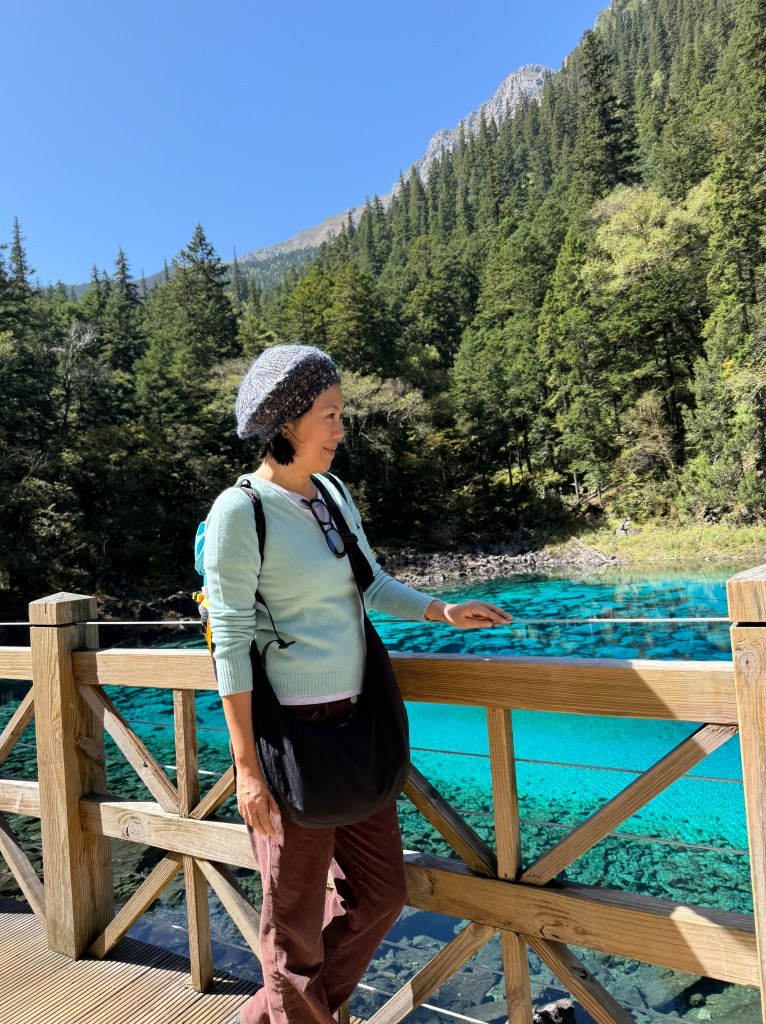
I’m back from an incredible trip to China, and I can’t wait to share the highs, the surprises, and the lessons I learned along the way.
I’ve always believed that aging actively means pushing your boundaries—whether that’s through travel, new experiences, or simply challenging your own assumptions.
This trip was a beautiful blend of all those things, and it reminded me that adventure doesn’t have an expiration date. Despite some language barrier (my Mandarin is very rusty) and China’s tech-driven landscape, I decided to go DIY this time—no driver, no guide, just me and my curiosity. Spoiler alert: it was one of the most rewarding trips I’ve taken in years.
Why DIY in China?
Why DIY in China?In the past, I’ve leaned on hiring drivers and guides for off-the-beaten-path destinations like Nepal and Sri Lanka. It’s comfortable, especially when language or logistics feel daunting. But after a test run in Guangzhou last year, where I got a taste of China’s digital-first world (think apps for everything), I felt ready to stretch myself further. I wanted to rediscover the adventurer in me—the one who tackled Cuba and Mongolia solo in my younger years.
Yes, planning took longer this time. China’s high-tech systems, from mobile payments to high-speed train bookings, were a learning curve for someone whose working life has always been in English. But I was determined to prove to myself that I wasn’t “too old” for this kind of challenge.With a bit of grit, a lot of research, and three must-have apps—Trip, Alipay, and WeChat—I set off.
Trip was a lifesaver for booking trains, tours, and hotels; Alipay and WeChat handled payments (everyone, from street vendors to taxi drivers, uses these); and Didi, China’s answer to Uber, made getting around a breeze. If you’re a non-native planning a DIY trip to China, download these apps before you go—they’re non-negotiable.

First Stop: Chengdu and the High-Speed Train to Leshan
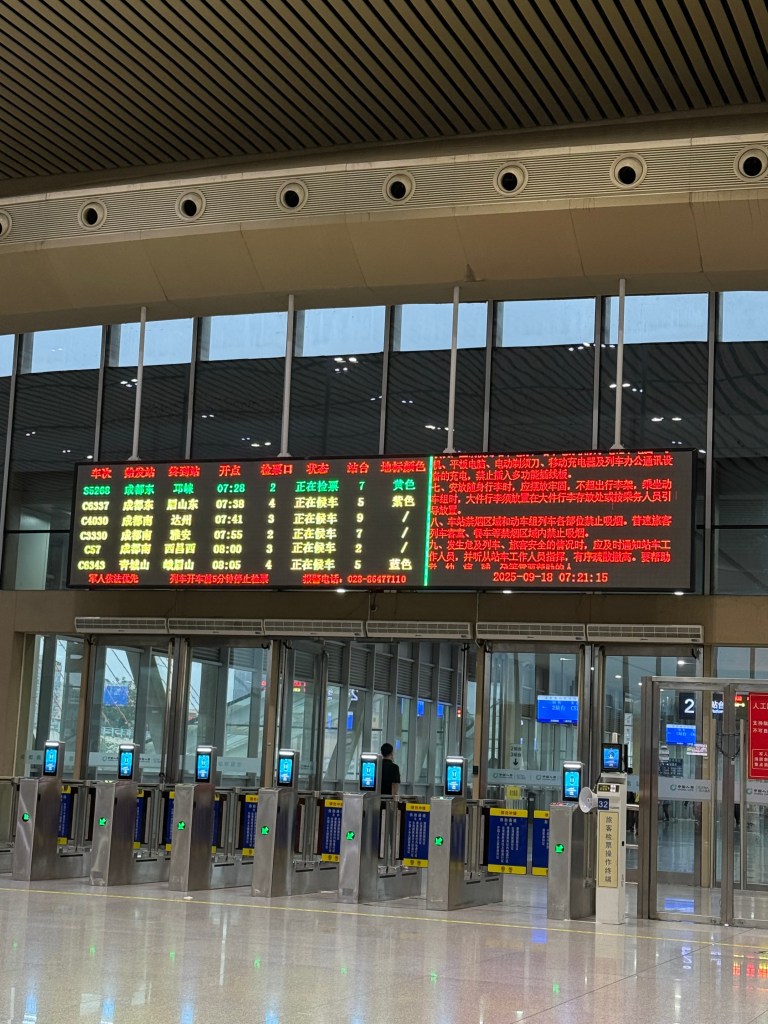
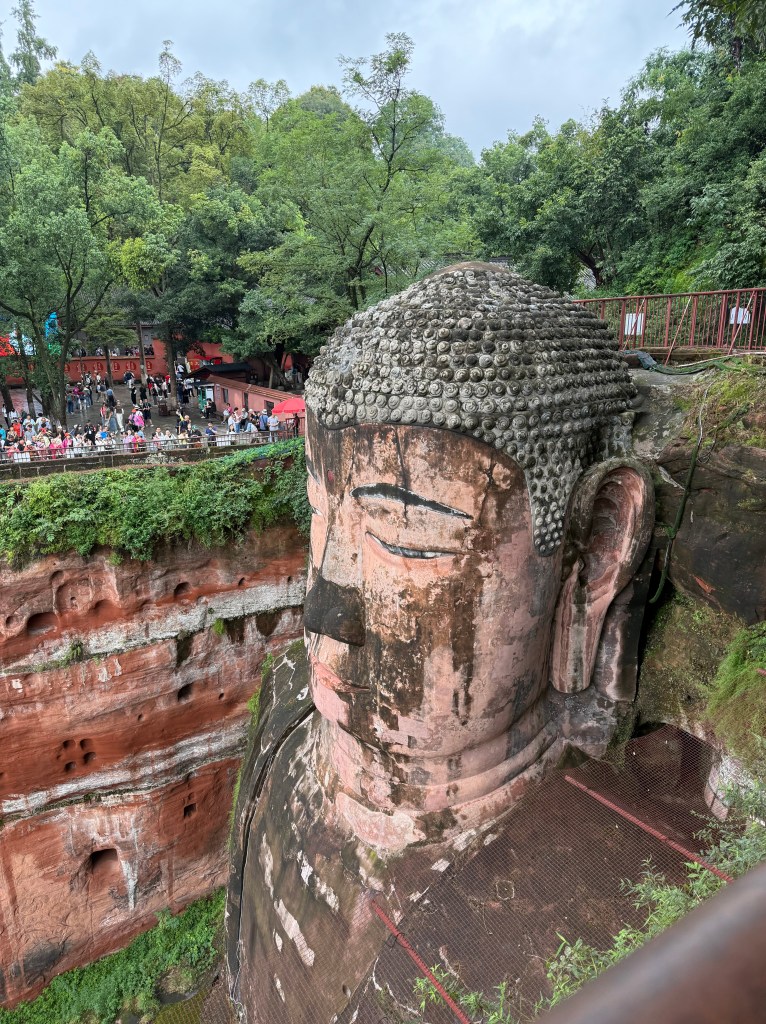
My adventure began in Chengdu, a vibrant city that perfectly blends history, culture, and modernity. To ease myself into China’s high-speed rail system, I took a day trip to Leshan to see the iconic Giant Buddha. Booking tickets via the Trip app was straightforward, and the train itself?
A marvel of efficiency. The Leshan Buddha, carved into a cliff overlooking the river, was breathtaking. Standing before it, I felt a sense of awe at the sheer scale of human devotion and craftsmanship. The trip was also a practical test run—navigating train stations, scanning QR codes, and managing with my pedestrian Mandarin gave me the confidence to tackle the next leg of my journey.

Jiuzhaigou National Park: A Lesson in Humility
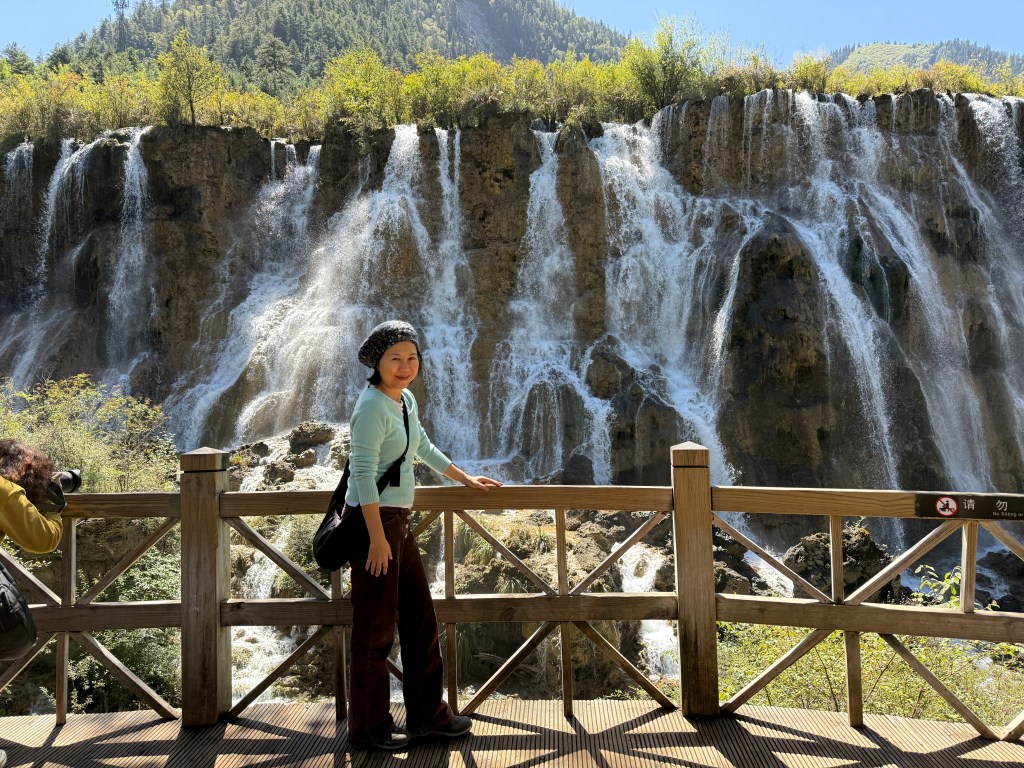
From Chengdu, I took a high-speed train to Hualong Station, followed by a 2+ hour drive to Jiuzhaigou National Park. Unlike most travelers who rush through Jiuzhaigou in a day or two, I chose to spend four glorious days there, visiting the park on alternate days and spending the others exploring the neighborhood around Indigo Jiuzhai, where I stayed.
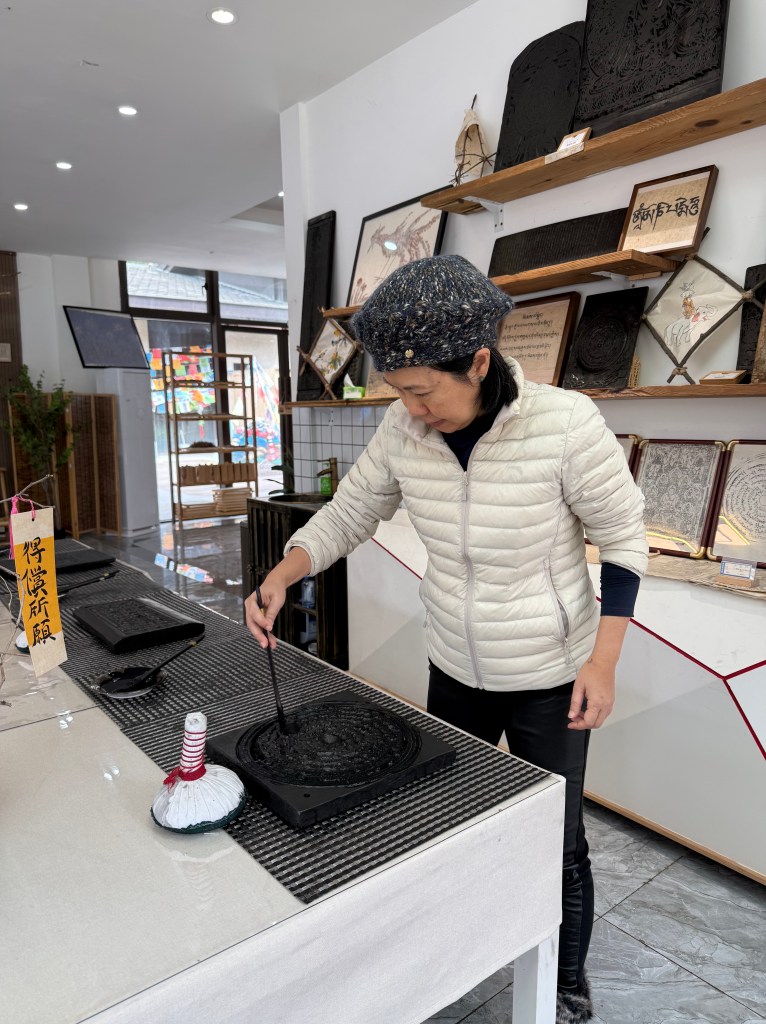
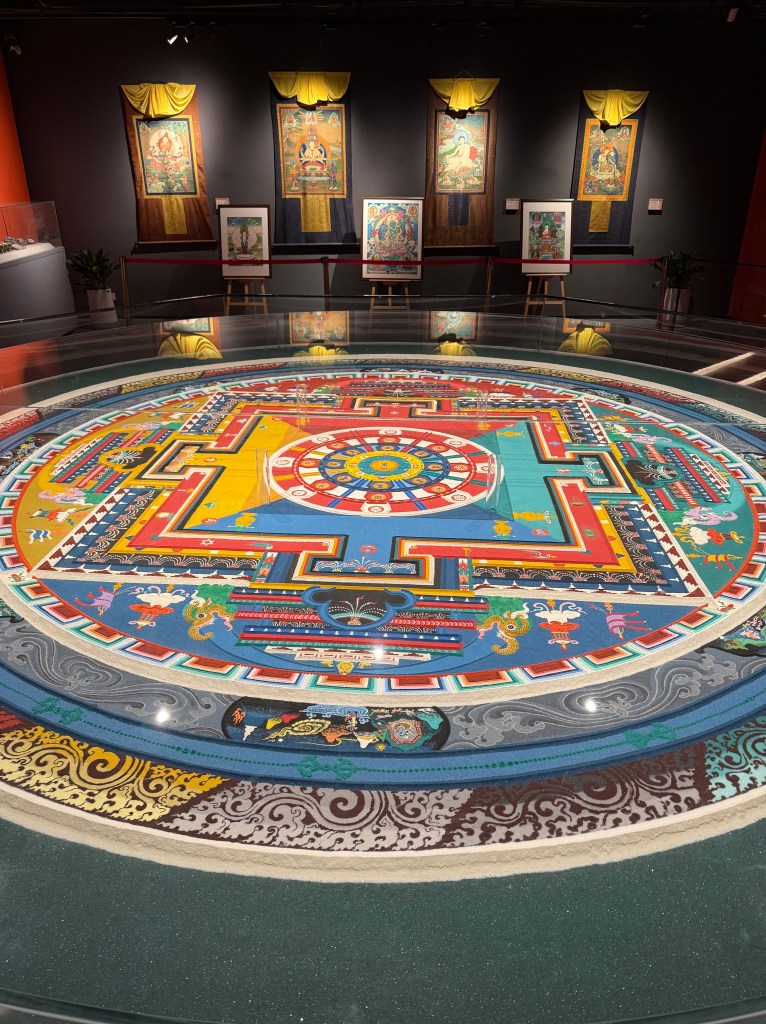
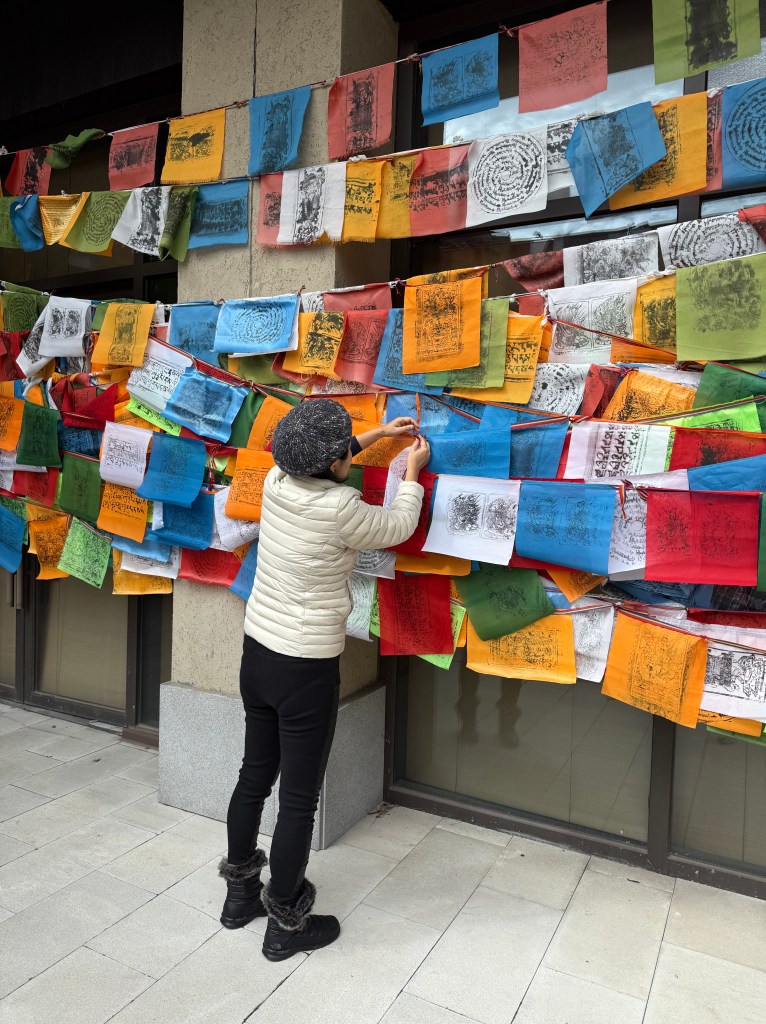
This was a brilliant choice. Located further out in a creative cluster, Indigo Jiuzhai was surrounded by artistically inspired, Tibetan-influenced spiritual activities. I visited a fascinating Tibetan museum, indulged in a relaxing Tibetan spa ritual, and even got permission to sit in as an observer during the staff’s morning prayer chant. Since I’ve never been to Tibet, these experiences were a rich introduction to Tibetan culture, filled with warmth and creativity.
I’d dismissed Jiuzhaigou as overhyped based on old assumptions. I couldn’t have been more wrong! Over 2 days, I wandered through this UNESCO World Heritage Site, marveling at its turquoise lakes, cascading waterfalls, and snow-dusted peaks. The park’s beauty wasn’t just visual; it was a spiritual reset.
This trip taught me to see things for myself and be humble enough to admit when I’m mistaken. It also reinforced a lesson from past travels: less is more. Slowing down to savor the park and its surrounding culture brought so much depth and joy.
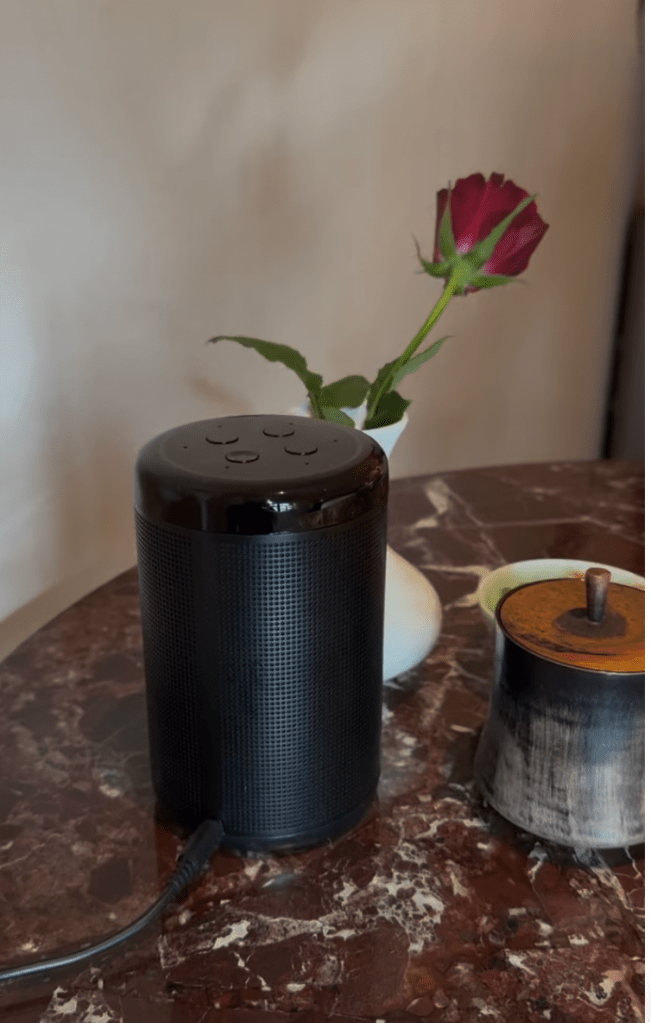
Tech Meets Adventure: Voice-Controlled Fun at Golden Age Hotel and Dancing in the Park
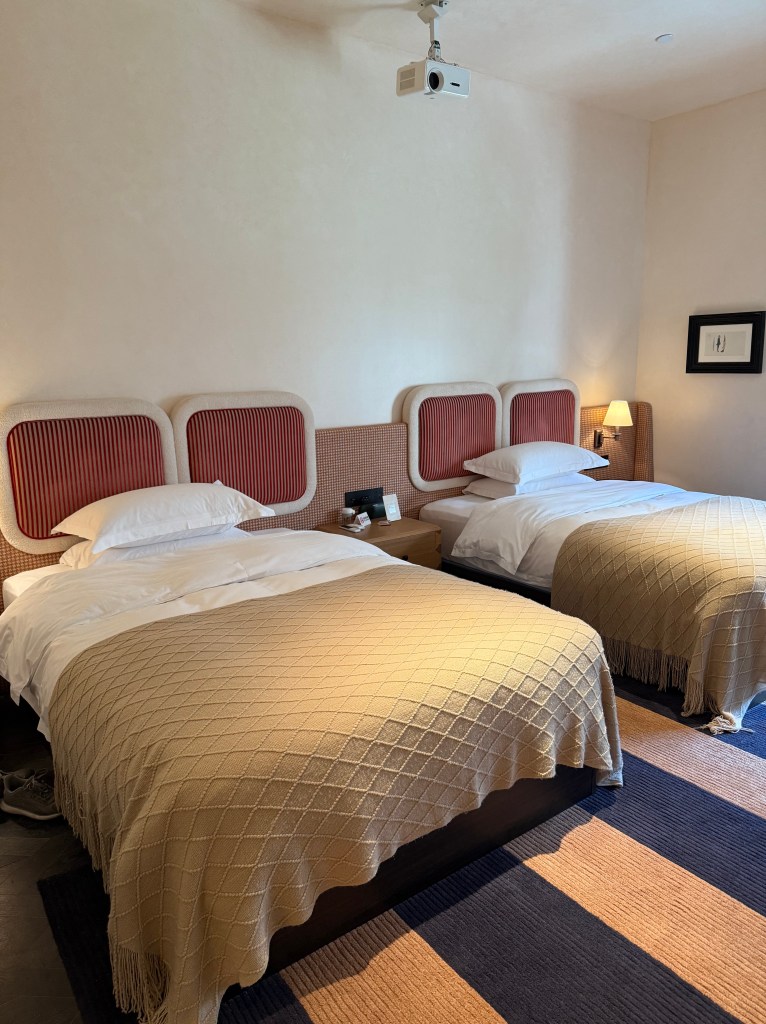
Back in Chengdu, I stayed at the wonderful Golden Age Hotel, where I had a blast playing with their voice-controlled AI system. It managed everything from lights to music (with a surprisingly great playlist!).
I’m the first to admit my Mandarin is pretty rusty, so having a non-judgmental AI to practice my phrases with—managing the lights, controlling the music—was both fun and incredibly encouraging.
It was like a low-stakes language lesson, and I couldn’t help but laugh at my clumsy attempts to get the pronunciation just right. The hotel staff were exceptional, patiently answering my endless questions and making me feel right at home.

Then there was People’s Park, where I stumbled upon a group of active agers playing chess and dancing. A middle-aged man invited me to join, and before I knew it, I was attempting the waltz (badly, but with enthusiasm).

A Glimpse of Past and Future: Chengdu’s Museums
The Chengdu Museum and the Sichuan Science and Technology Museum were highlights that fed both my mind and my curiosity. At the Chengdu Museum, I revisited snippets of Chinese history I vaguely remembered from school over 40 years ago. The exhibits brought the past to life, from ancient artifacts to stories of the Silk Road.

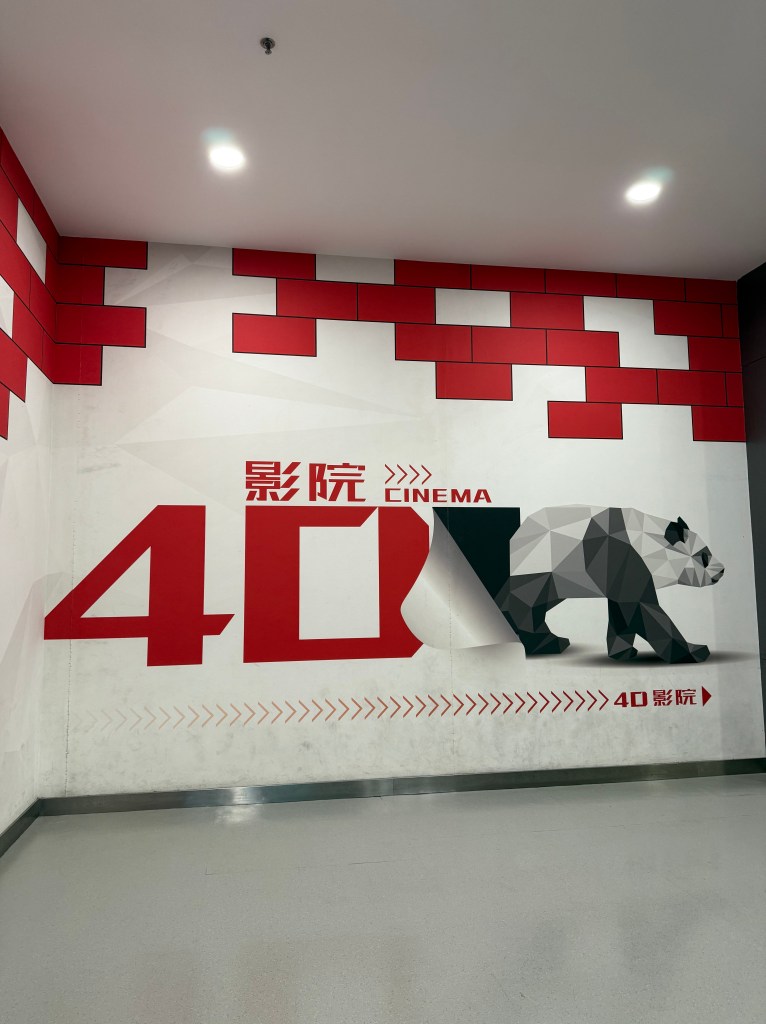
The Science and Technology Museum, on the other hand, offered a glimpse into China’s vision for the future—think cutting-edge robotics and sustainable tech. Together, they painted a picture of a nation rooted in its past but racing toward innovation.
Lessons from the Road
This trip wasn’t without its hiccups. Navigating China’s digital landscape and language barrier tested my patience at times. But those challenges were part of what made the journey so rewarding. I realized that, with age, I’ve sometimes leaned toward the “easier” route—guided tours, familiar destinations.
This DIY adventure reminded me that the spark of exploration is still alive in me. I’m not too old to push the envelope, and neither are you.
A special shoutout to Aimee from Indigo Jiuzhaigou and the Golden Age Hotel staff in Chengdu for their exceptional service and guidance. Their support made all the difference, from pre-trip planning to on-the-ground assistance.
Was it all seamless? Of course not. There were minor hurdles and moments of confusion. But the overall experience was so wonderfully rewarding. If you’re a progressive ager considering a similar DIY trip, here are the three essential apps you must have on your phone:
- Trip.com : This was my lifeline. I booked hotels, train tickets, and even some tours through it. For a non-native, it’s indispensable.
- Alipay & WeChat Pay : Cash is virtually dead. Everyone, from a five-star hotel to a street vendor, uses these digital payment gateways. Link your international credit card ahead of time.
- Didi : This is China’s Uber. A godsend for getting around cities without the language to hail a taxi.
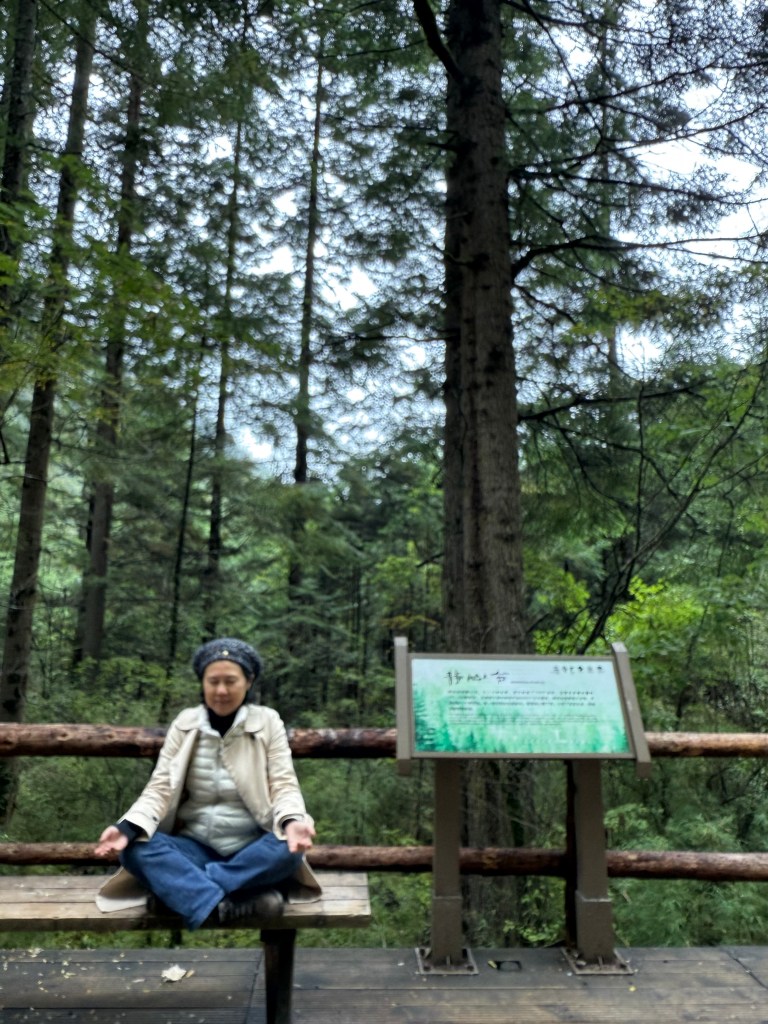
This trip was a beautiful reminder that while age might tempt us toward the easier path, the path less travelled still holds the greatest treasures. It’s about pushing your own envelope, testing your limits, and discovering that the adventurer within is still very much alive. I’m so glad I listened to her.
Until the next adventure,
Jane


 Live Life
Leave a reply to Curiosity and AI: My Global Learning Journey – Live Life Cancel reply