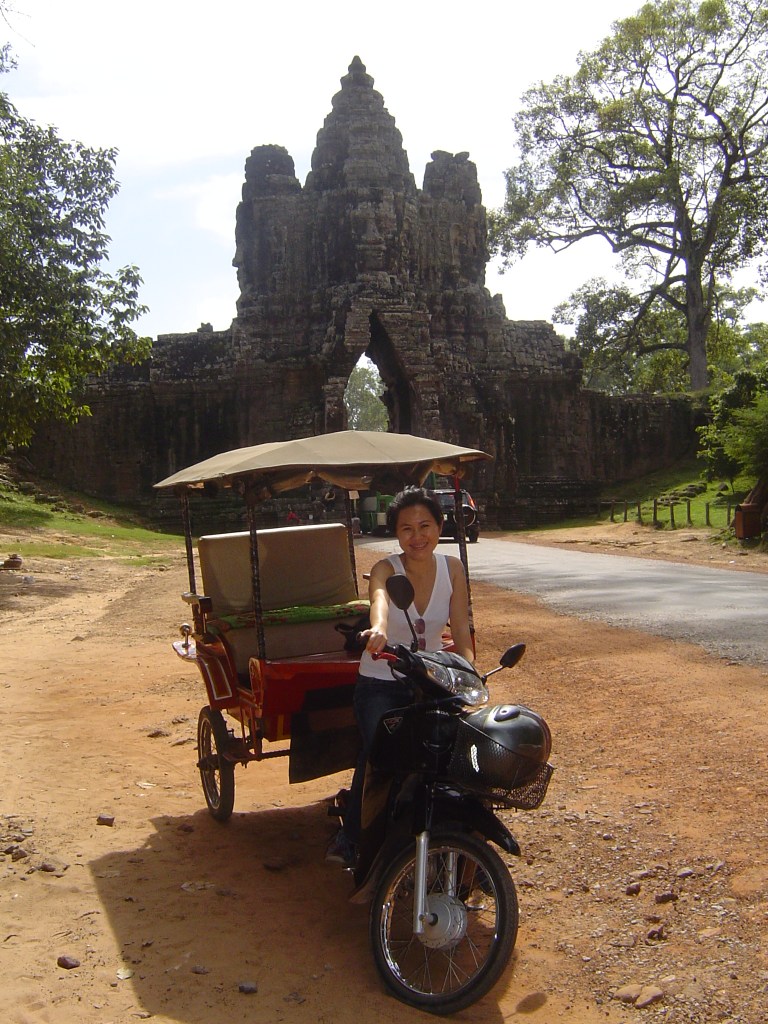
Siem Reap: A Decade-by-Decade Mirror
My first visit to Siem Reap was in my 30s, wide-eyed and luggage-light, marveling at Angkor Wat as if it had risen just for me from the jungle mist. In my 40s, I came back—older, wiser, and carrying more emotional baggage than my suitcase—and found solace in the quiet symmetry of Ta Prohm’s roots and stones.
And now, in my 50s, I’m here again. Not by design, but by what feels like cosmic alignment. This third return—each one a decade apart—has become an unintentional ritual, a mirror held up to how I’ve aged, what I’ve carried, and what I’ve learned to release.
There’s something quietly poetic about returning to the same place every ten years—especially when you’re not planning to.
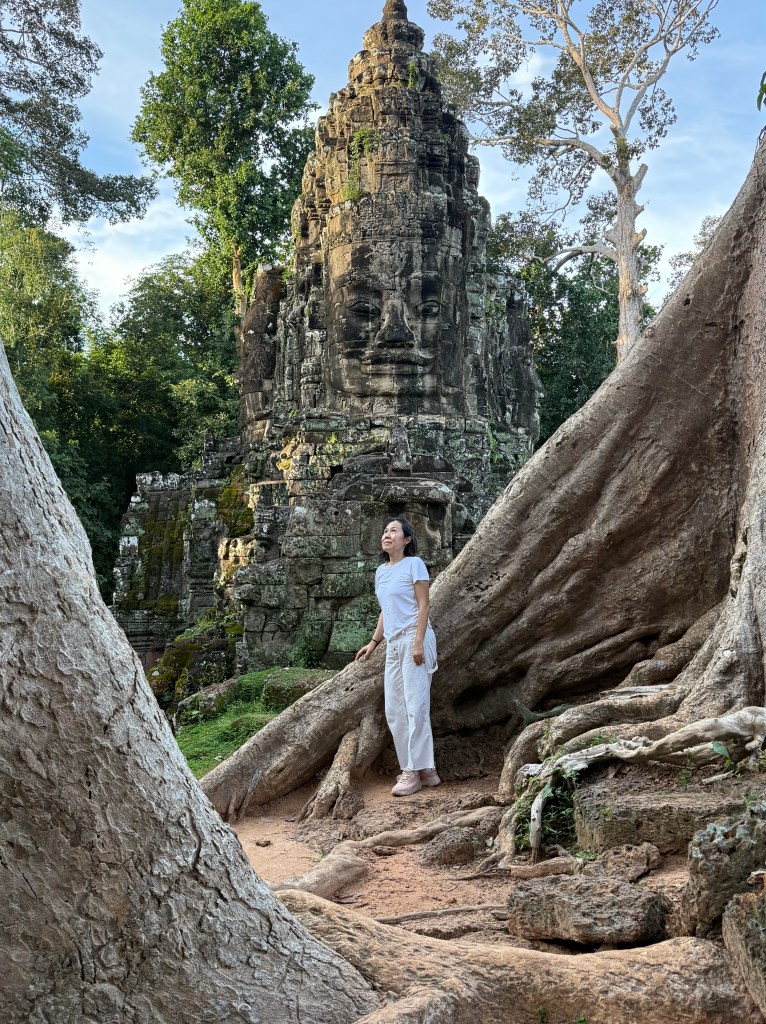
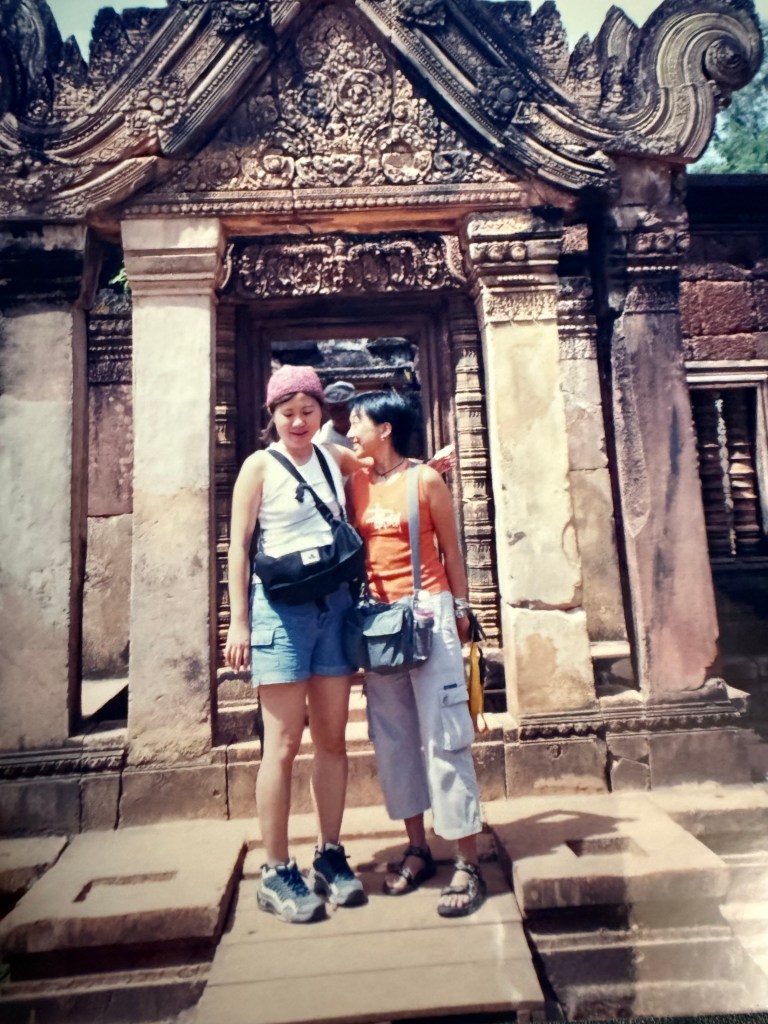
And Siem Reap has evolved. In the 1990s, guesthouses ran on generators, roads turned to mud in the rains, and Angkor Wat felt like a secret shared among few. By the 2000s, tuk-tuks lined the streets, cafés served decent espresso, and Wi-Fi flickered to life. Today, the town balances heritage and gentle modernity—luxe spas nestle beside silk weavers, and hipster cafés bloom in the city centre where digital nomads sip matcha and work.
Yet just beyond the curated corners, life remains beautifully unchanged: monks walk barefoot at dawn, grandmothers sell sticky rice from banana leaves, and neighbors greet each other like family. Cambodia’s GDP per capita—still around $1,700—tells one story. But the warmth in a shared smile tells another: one of presence, not possessions.
The Paradox of Choice: Why More Isn’t Always Better
Back to my friends in Singapore and the developed world . I get it—really, I do. The cost of living here is brutal. The pressure to succeed is relentless. And yes, even in a city as efficient as this one, there are frustrations. But here’s the thing: We have the luxury of choice. We can choose where to live, how to work, what to eat, and where to travel. We can complain about the MRT being crowded, but we can also choose to take a Grab instead. We can grumble about healthcare wait times, but we can also choose between public and private options.
In Cambodia, choice is often a myth. If you’re born in a rural village, your “choices” are limited by circumstance—access to education, healthcare, even clean water. Yet, the people I met weren’t paralyzed by what they lacked. They celebrated what they had: community, resilience, and a deep sense of gratitude for small joys.
That’s not to romanticize poverty or ignore the very real struggles of developing nations. But it is a reminder that perspective matters. Choosing not to choose is still a choice—one that many in the world don’t have.
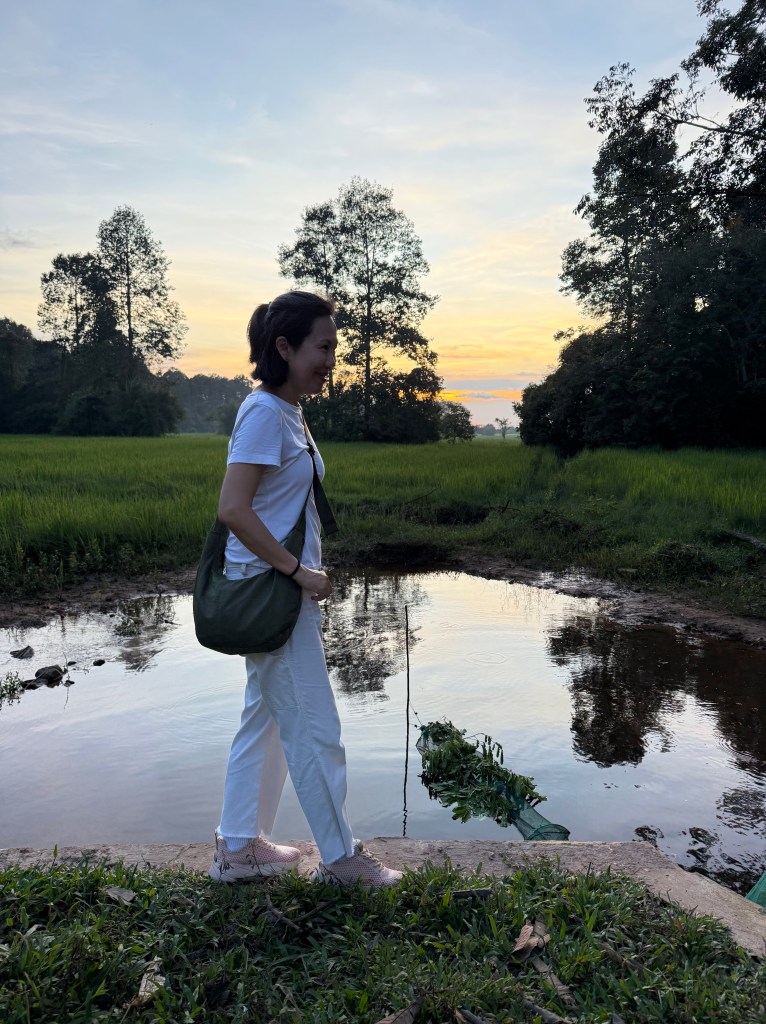
Gratitude as a Daily Practice
I am back in Singapore now, unpacked and re-entering the rhythm of city life—MRT rides, grocery runs, morning walks along the canal. But Siem Reap hasn’t left me. In fact, it’s echoing louder here, in the quiet moments between errands and emails.
My early start exploring ASEAN didn’t just give me stories—it gave me perspective. While others chased faraway glamour, I learned that richness isn’t measured in distance, but in depth. And over 30 years of regional travel, I’ve come to see that freedom of choice is one of life’s greatest privileges—whether it’s choosing where to live, how to care for your health, or even how to spend your retirement years.
Even more sobering? Choosing not to appreciate what you already have is still a choice—one that quietly erodes joy, especially when so many don’t have the luxury of choice at all.
So this week, back in my Singapore flat with its reliable Wi-Fi, clean tap water, and healthcare just a bus ride away, I’m renewing that quiet promise—not under a thatched roof, but at my kitchen table:
To stop comparing.
To start celebrating.
To remember that “enough” isn’t a number—it’s a mindset, honed by gratitude and sharpened by contrast.
And who knows? Maybe I’ll be back in Siem Reap in my 60s—still learning, still grateful, still marveling at how little it truly takes to live well… especially when you’ve had the gift of seeing your own backyard with open eyes from the very beginning.
But until then, I’ll practice that same wonder right here—because gratitude doesn’t need a passport. It just needs presence.


 Live Life
Leave a reply to Curiosity and AI: My Global Learning Journey – Live Life Cancel reply