Most of us have heard of probiotics. But the real gut health story has three acts—and if you are only focused on the bacteria itself, you are missing the most important part of the entire ecosystem.

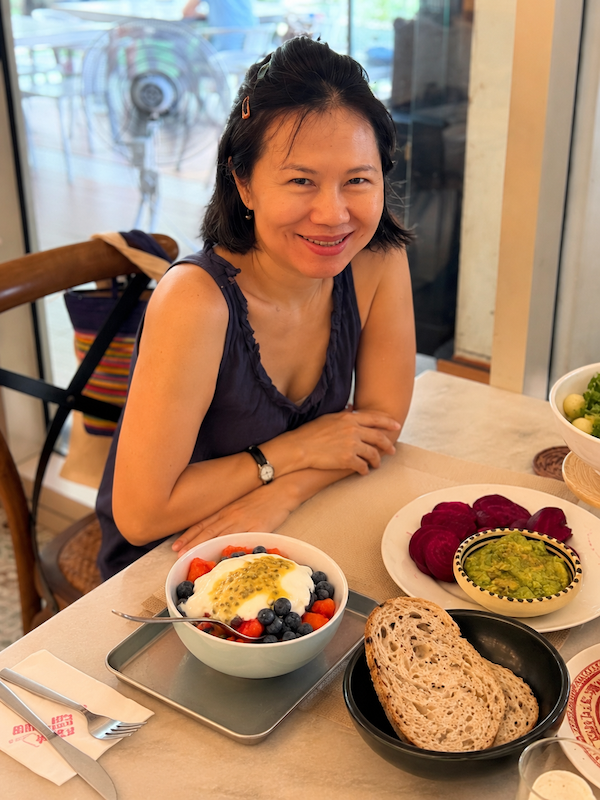
It started, as most of my health epiphanies do, over a late-morning brunch bowl. These days, I’m actively working on a new sleep routine to get better quality rest, which means my old habit of falling down midnight Google rabbit holes is strictly forbidden. Instead, I did my reading and YouTube deep-dives during daylight hours, breaking my intermittent fast with a whole new perspective on what my gut actually needs.
I’m 58, split my time between Singapore and Bangkok, and like to think I take reasonably good care of myself. I eat well (mostly), exercise (enough to justify the occasional slice of carrot cake ), and I’ve been taking probiotics seriously for years. You know the drill—yogurt, something with Lactobacillus on the label, feeling quietly virtuous about the whole thing.
But I recently realized I’d only been reading the first chapter of a three-part story. To unlock real vitality, you need to understand how the entire cast works together.

Act One: Probiotics — The Cast You Already Know
Yes, these are the live bacteria, the famous Lactobacillus crew, the ones colonising your fermented foods. Probiotics are live microorganisms known for their ability to regulate the gut microbiota and boost the immune system. To put it simply: the goal is to get enough of these friendly bacteria working in your digestive tract so the less-friendly strains don’t throw a house party while you’re not looking.
I get mine primarily from Greek yogurt, which makes up the “breakfast half” of my daily brunch, layered with a mix of whatever local fruits are in season and a handful of berries. Right now, this sweet side of my first meal is doing far more work to break my daily fast than I initially gave it credit for.
I’ll also come clean: I should be doing better on the broader probiotic front. Miso and kimchi are sitting right there in my part of the world, practically begging to be on my plate, and I’ve been underutilising them shamefully. Both fermented, both probiotic-rich, both absolutely delicious. Consider this my public declaration of intent.
But introducing the cast is only half the battle. If you don’t give those live cultures the proper resources to survive once they arrive, the system falls apart—which brings us directly to the next phase.
Act Two: Prebiotics — The Fuel Your Good Bacteria is Starving For
Here’s the plot twist I didn’t see coming: your probiotics cannot survive on good intentions alone. They need to eat. And that something is prebiotics.
Prebiotics are non-digestible fibers that selectively encourage the growth of good gut bacteria. In plain English, they pass through your upper digestive system largely intact until they reach your colon, where your gut bacteria feast on them enthusiastically. Think of probiotics as the performers on stage, and prebiotics as the backstage crew keeping the whole show running.
The genuinely good news? You don’t need obscure superfoods flown in from a Peruvian mountainside to find them. The best prebiotic foods are likely sitting in your kitchen right now:
- Garlic and onions
- Leeks and asparagus
- Green bananas and oats
- Chicory root and dandelion greens
On a scientific level, these staples are powerhouse sources of inulin, fructooligosaccharides (FOS), or resistant starch—the exact molecular shapes your bacteria love to break down.
I have recently become what I can only describe as aggressively generous with garlic. Raw in salads, roasted into everything, blended into sauces. My garlic consumption has gone from “enthusiastic” to “medically notable.” Turns out this isn’t just culinary bravado—it’s actively feeding my microbiome.
The Hidden Science in the Brunch Bowl
This prebiotic fuel is also exactly why that seasonal fruit and berry mix topping my yogurt matters so much.
Take passion fruit, for example. It is packed with gut-healthy fiber and antioxidants. A clinical review confirmed that passion fruit’s dietary fiber and polyphenols function beautifully as prebiotics, promoting beneficial gut bacteria growth while helping regulate blood sugar.
Then there are bananas. Green, less-ripe bananas contain resistant starch type 2, which feeds beneficial gut bacteria (the greener, the better for your microbiome). Furthermore, the Vitamin B6 in bananas plays a key role in synthesizing neurotransmitters that modulate mood and memory. Studies on the gut-brain axis show that prebiotic compounds from bananas can actually improve cognitive function by reducing brain inflammation.
(On a side note: if you eat bananas to stop nighttime muscle cramps, researchers now believe those are caused by motor neuron overstimulation, not potassium dips. Keep eating them for your brain and gut, but don’t blame them for a 3 AM charley horse!)
When you successfully pair the live cast of Act One with the targeted fuel of Act Two, something extraordinary happens. They trigger a biological reaction that creates the real holy grail of gut health.
Act Three: Postbiotics — The Surprise Ending That Ties It Together
This is where it gets genuinely fascinating—and where most gut health conversations stop too early.
Postbiotics are the metabolic byproducts produced when probiotics ferment prebiotic fibers in your gut. These include short-chain fatty acids (SCFAs), vitamins, and enzymes that play a vital role in maintaining your overall health.
Think of it this way: you cannot simply order postbiotics off a menu or pop them as a standard supplement. They are the reward you earn when your pre-and-probiotic system works in perfect harmony. If prebiotics are the fuel and probiotics are the engine, postbiotics are the energy your whole system actually runs on.
Why Short-Chain Fatty Acids (SCFAs) Matter:
Reduce Inflammation: They act as biological peacekeepers, helping calm systemic inflammation throughout the body.
Strengthen the Gut Barrier: They reinforce your gut lining integrity, protecting against “leaky gut” and allowing nutrients to absorb beautifully.
Fuel the Colon & Brain: They supply vital energy to the cells lining your colon and communicate directly with your brain via the gut-brain axis to support cognitive sharpness.
This is where the entire ecosystem loops back to how you structure your day. Skimp on prebiotics and your probiotics starve. Starving probiotics produce fewer postbiotics. Fewer postbiotics mean a weaker immune response and a sluggish mind.
But the cascade is entirely reversible. It starts with a diverse plate.
Putting It All Together: What a Day Looks Like
Here is how I naturally balance the trinity within my daily intermittent fasting routine, keeping it realistic, satisfying, and high-protein:
- The Probiotic & Prebiotic Base: I break my fast with that “breakfast half” of brunch—Greek yogurt topped with berries and seasonal prebiotic fruits like papaya, passion fruit and a slightly underripe banana.
- The Savory Support: The other half of my brunch rotates through nutrient-dense, gut-loving whole foods like eggs, sourdough, avocado, and bone broth (which is packed with amino acids that reinforce that gut barrier).
- The Daily Fuel: Dinner brings it all together with a solid portion of clean protein—I rotate between salmon, chicken, and lean minced pork—cooked with a very generous amount of prebiotic garlic and onions.
Postbiotics: You don’t eat these. You earn them. Feed your probiotics generously with prebiotic fiber and they’ll do the metabolic work for you, quietly and efficiently, while you get on with your day.
The real upgrade is understanding that probiotics, prebiotics, and postbiotics aren’t three separate wellness trends. They’re one interconnected operating system. When you look after the whole system, your body rewards you with better immunity, steadier energy, and a sharper mind.
Over to You
How many of these prebiotic heavy-hitters (like garlic, leeks, or green bananas) are actually making it onto your plate right now? Are you focusing more on the probiotics or the fuel? Drop your current gut-health routine or your favorite seasonal market finds in the comments below—I’d love to hear how you structure your daily meals!
Leave a Reply